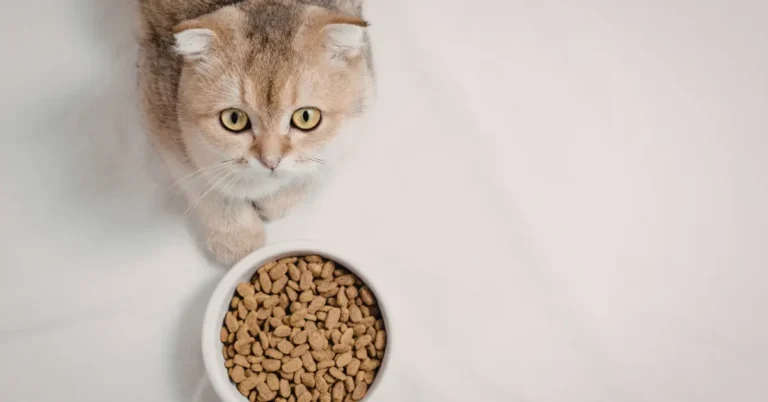
We all love our dogs like family — they share our homes, our hearts, and sometimes… our food. But here’s the scary truth: some of our favorite human snacks can be dangerous or even life-threatening for dogs.
From chocolate to grapes, even a few bites can cause serious illness. So before you share another “little treat,” take a few minutes to read this guide — and keep your pup safe from hidden dangers.
1. Chocolate 🍫
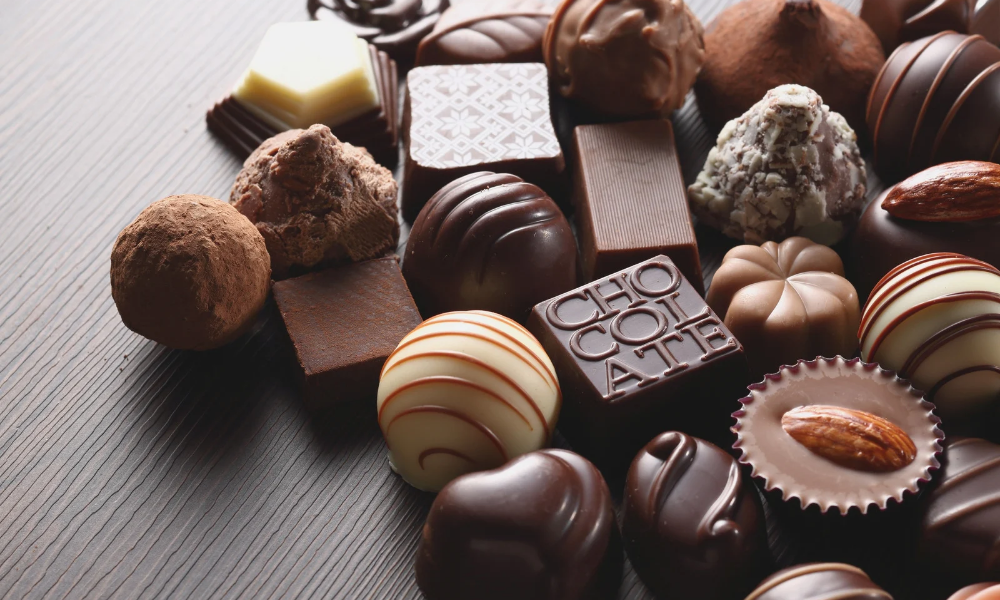
Chocolate is one of the most well-known dog toxins — and for good reason. It contains theobromine and caffeine, which dogs can’t metabolize properly.
Even a small amount can cause:
- Vomiting
- Tremors
- Rapid heart beat
- Seizures
✅️ Vet Tip: The darker the chocolate, the more dangerous it is. If your dog eats any chocolate, contact your vet immediately.
2. Grapes & Raisins 🍇
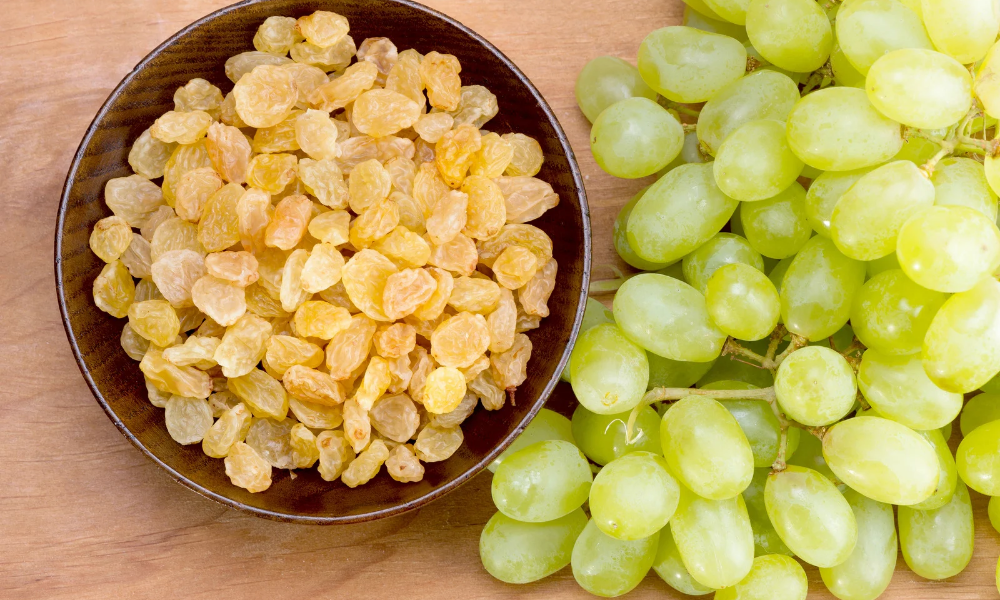
Tiny but deadly — grapes and raisins can cause acute kidney failure in dogs. Scientists still don’t know the exact toxic compound, but sensitivity varies by dog, so there’s no safe amount.
Warning signs :
- Vomiting
- Lethargy
- Loss of appetite
Keep grapes, raisins, and even snacks like fruitcakes far from your dog’s reach.
3. Onions & Garlic 🧅🧄
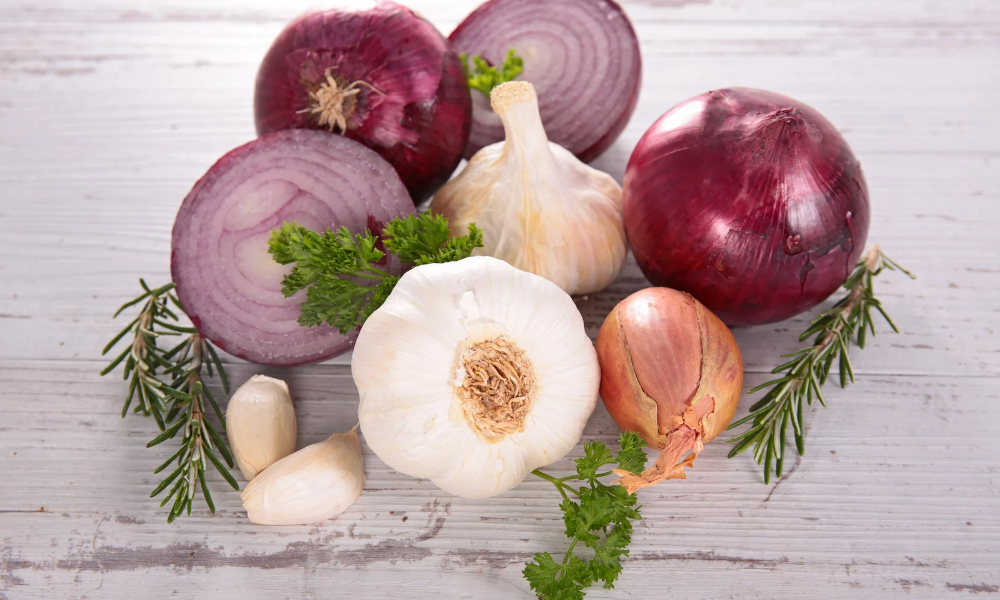
These flavorful ingredients might make your meals delicious, but they destroy a dog’s red blood cells, leading to anemia.
Symptoms to watch for:
- Pale gums
- Weakness
- Fast breathing
Even cooked or powdered onion/garlic (like in soup mixes or seasoning) can be dangerous.
4. Avocado 🥑
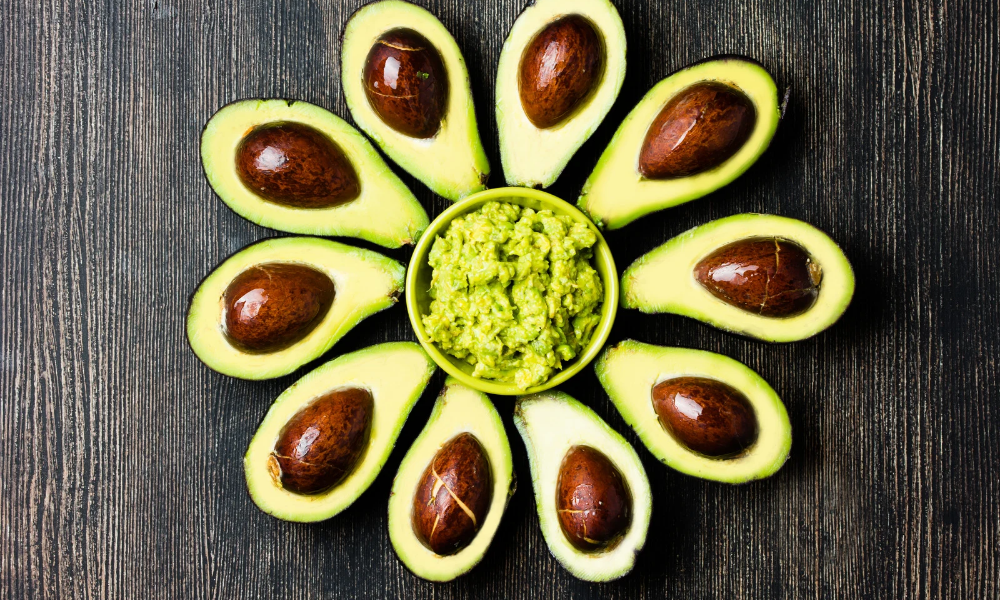
Avocados contain a compound called persin, which can upset your dog’s stomach and cause vomiting or diarrhea — especially in smaller breeds. The pit and skin are most risky due to higher persin content and choking hazards.
💡 Safer Treat: Try dog-safe fruits like apples (no seeds), blueberries, or watermelon.
5. Xylitol 🍬
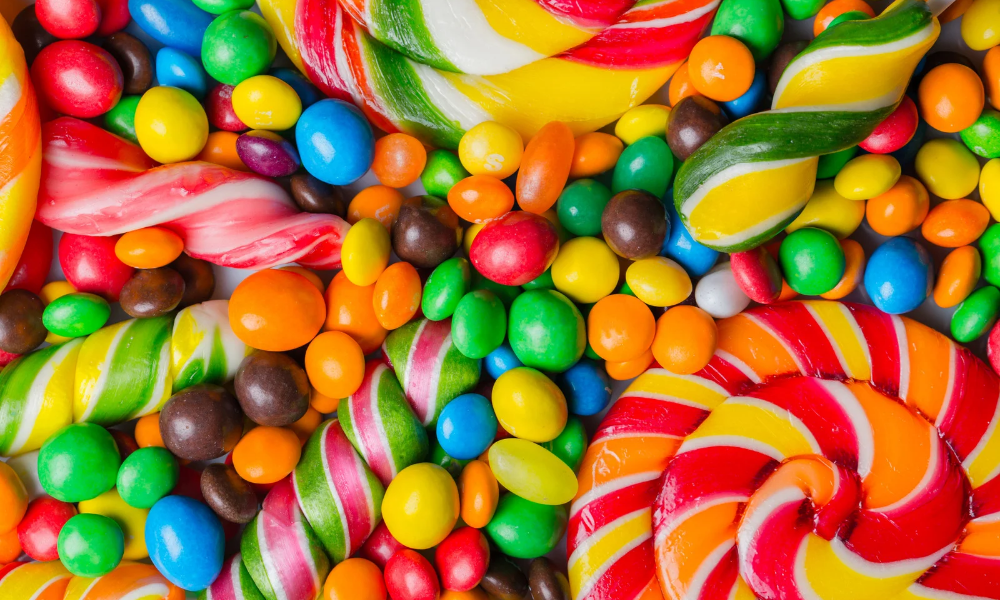
This one is especially sneaky — xylitol is an artificial sweetener found in sugar-free gums, candies, and peanut butters. Even a tiny amount can trigger a massive insulin release, leading to dangerously low blood sugar and possible liver failure.
Signs:
- Weakness
- Seizures
- Collapse
Always check labels before sharing anything sweet with your dog.
6. Macadamia Nuts 🌰
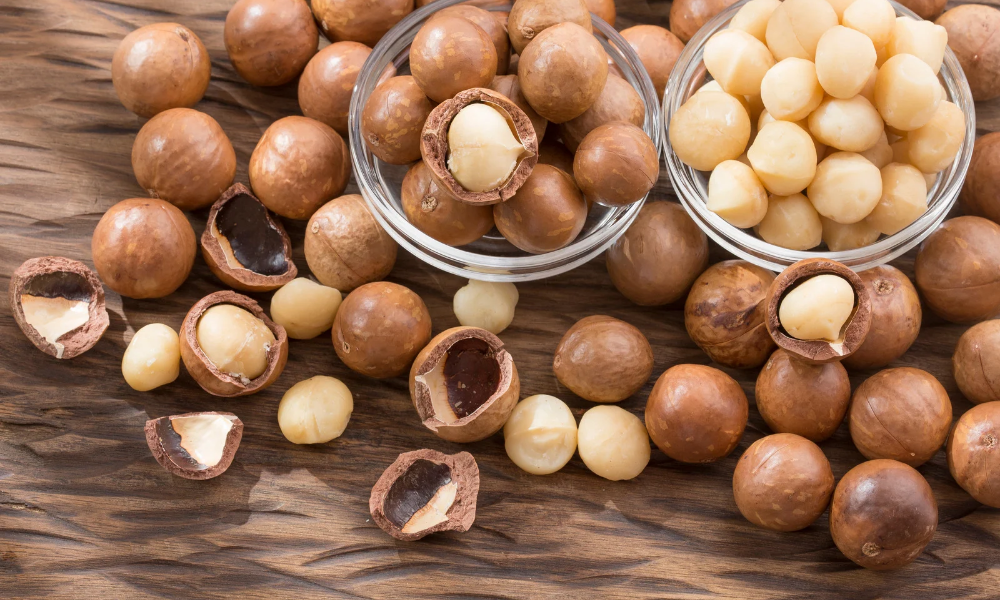
Macadamia nuts are small but toxic to dogs, causing:
- Weakness (especially in the back legs)
- Tremors
- Vomiting
- High body temperature
Good to Know: Most dogs recover with vet care, but it’s best to avoid nuts altogether.
7. Alcohol 🍷
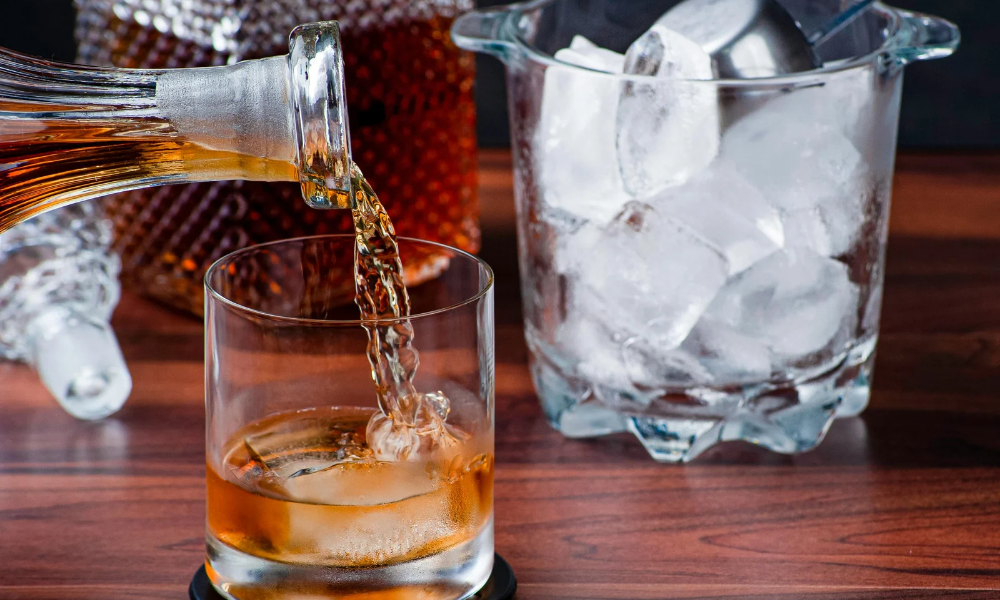
Even small amounts of alcohol — beer, wine, or cooking alcohol — can be deadly for dogs. Alcohol depresses their central nervous system, leading to:
- Breathing difficulty
- Coma
- Death
Keep all alcoholic drinks and foods containing alcohol safely out of reach.
8. Coffee, Tea & Caffeine ☕
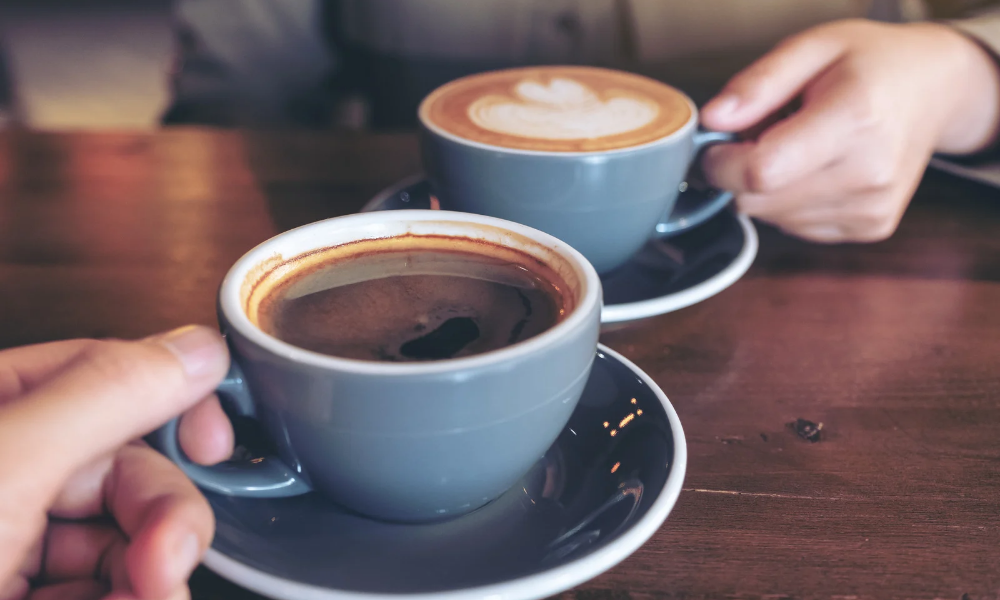
Caffeine acts like chocolate’s evil twin — it overstimulates a dog’s heart and nervous system.
Signs:
- Restlessness
- Vomiting
- Rapid heartbeat
Stick to dog-safe hydration: fresh water only!
9. Blue Cheese & Moldy Foods 🧀☠️
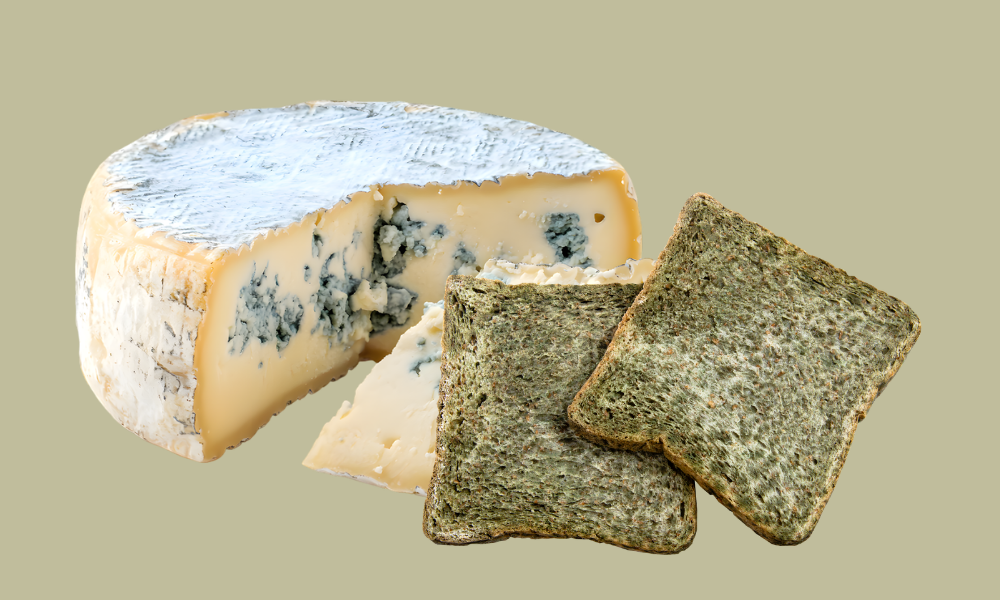
That leftover blue cheese or moldy food might seem harmless, but they contain toxins called roquefortine C and mycotoxins that can make dogs seriously ill.Symptoms to watch for:
- Vomiting
- Tremors or seizures
- High fever
- Lack of coordination
Even a small amount of spoiled cheese, bread, or compost can cause poisoning — so keep all moldy or expired food far from your dog’s reach.
10. Fat Trimmings & Raw Dough 🍞
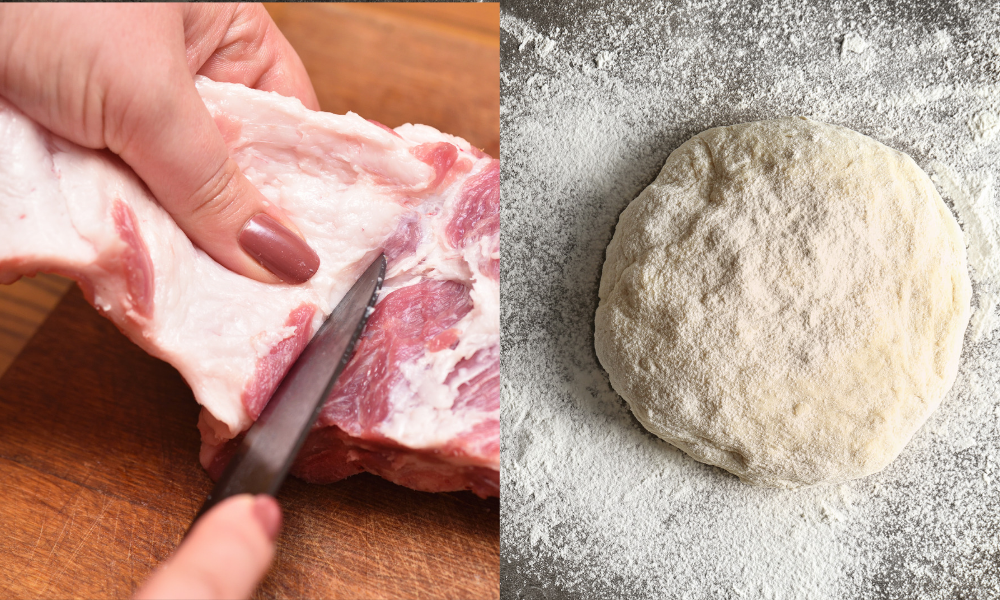
Leftover meat fat can trigger pancreatitis — a painful, potentially life-threatening inflammation of the pancreas.
Raw yeast dough is another hidden risk: it can expand inside the stomach and produce alcohol, causing bloating and poisoning.
Tip: Always dispose of leftovers and dough securely before your dog gets curious.
What to Do If Your Dog Eats Something Toxic ?
- Call your veterinarian immediately.
- If after hours, contact an emergency vet clinic.
- Keep the food package (or note what your dog ate) — it helps the vet calculate the risk.
- Watch for signs: vomiting, diarrhea, tremors, weakness, or unusual behavior.
Prevention Tips for Every Pet Parent
- Store all human foods well out of reach.
- Educate guests and kids about what dogs can’t eat.
- Train your dog with the “leave it” command.
- Schedule regular vet check-ups.
- Share this article to help other pet parents stay informed!
Conclusion
Your dog trusts you to make safe choices — and now you know which foods to keep off their plate. A moment of awareness can prevent a lifetime of regret.
From chocolate to xylitol, remember: what’s safe for you can be dangerous for your dog.
Keep this list handy, share it with fellow pet lovers, and help create a safer world for dogs everywhere.
Watch our quick recap related to this topic on YouTube.
Explore more vet-backed guides & animal facts on VetScopia:
References (Veterinary-Verified Sources)
- ASPCA Animal Poison Control Center. People Foods to Avoid Feeding Your Pets.
- Merck Veterinary Manual. Xylitol Toxicosis in Dogs.
- Blue Cross UK. Foods Poisonous to Dogs.
- Pet Poison Helpline. Common Food Dangers for Pets.
- American Kennel Club (AKC). Human Foods Dogs Can and Can’t Eat.