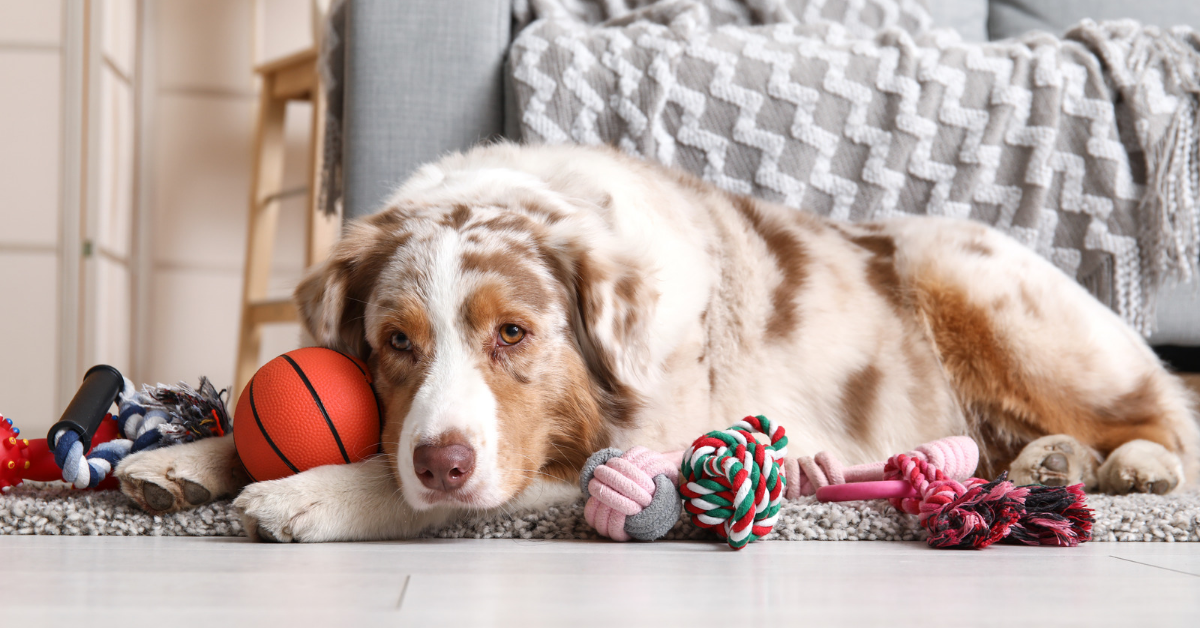
Seperation Anxiety in dogs ? Imagine ,You leave for work, and within minutes your neighbors can hear it — the howling, the scratching, the full-on panic. You come home to a chewed-up couch and a very guilty-looking dog. Have any experiences ?
Here’s the thing most owners don’t realize and confused : your dog isn’t being destructive or “bad.” They’re genuinely terrified. What you’re dealing with is separation anxiety in dogs — one of the most misunderstood, yet incredibly common conditions in our furry companions.
The most sad part is lot of dogs labeled as bad with this condition due to lack of knowledge of pet parents. Studies show that separation anxiety in dogs affects between 13–38% of dogs (Vetster) — meaning your dog is far from alone in this struggle.
So, What Exactly Is It?
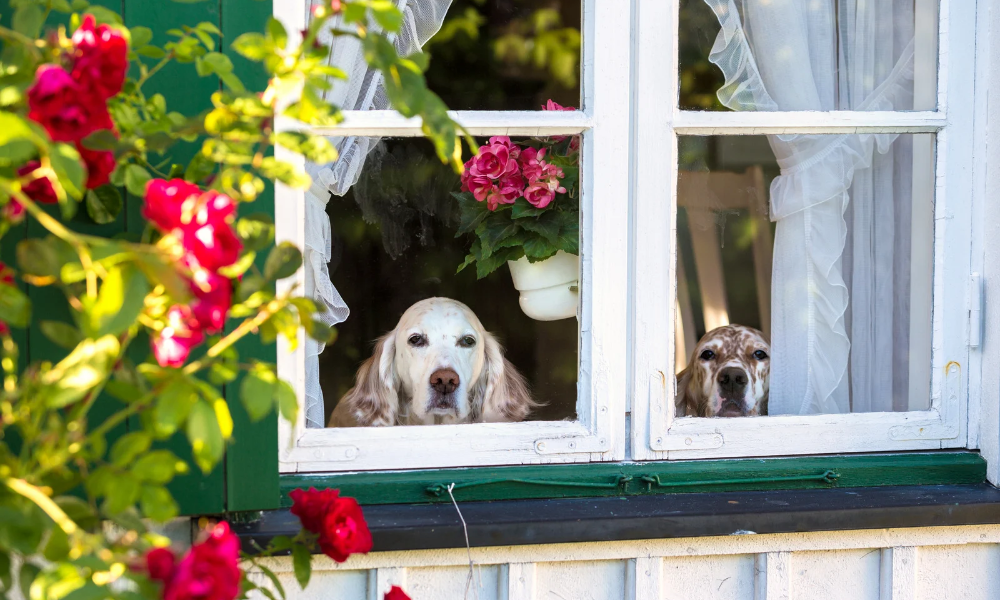
Separation anxiety in dogs is a behavioral disorder where your dog experiences real panic and distress the moment you leave — or even when they sense you’re about to. It’s not a phase. It’s not spite. It’s closer to a full panic attack.
Think of it this way: if you had a fear of heights, someone telling you to “just relax” on a rooftop wouldn’t help. Your dog needs the same understanding — not punishment.
Why Does It Happen? (The Causes)
Separation anxiety in dogs doesn’t come from nowhere. There are usually real reasons behind it:
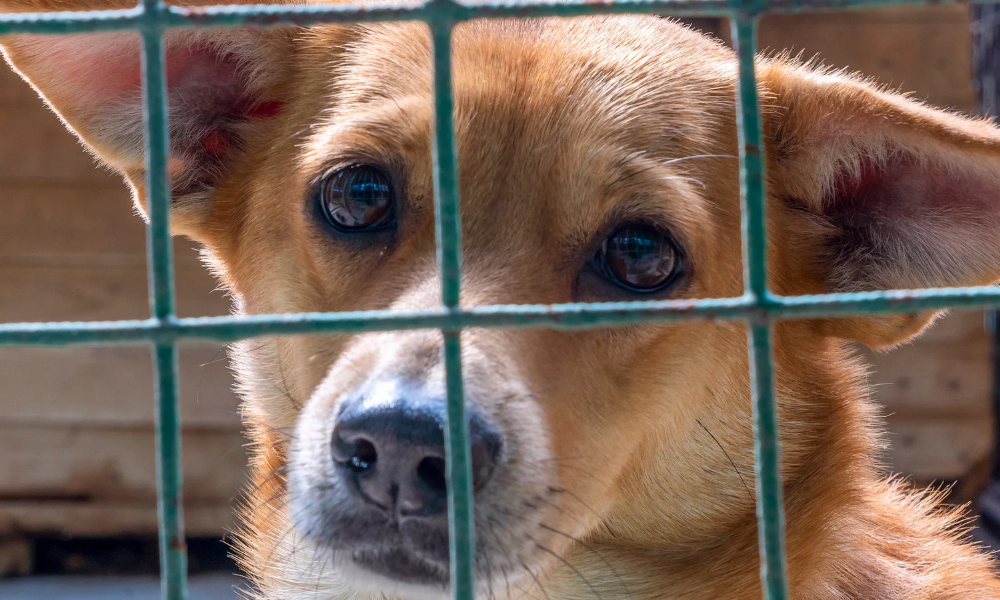
- Rehoming or shelter history — Dogs sourced from shelters or separated from their litter before 60 days of age are more likely to develop separation-related problems
- Big life changes — A sudden switch in schedule, a move to a new house, or the sudden absence of a family member due to divorce, death, or a child leaving for college can all trigger it (American Kennel Club)
- Clingy personality — Some dogs are naturally more attached and “velcro-like” than others
- A traumatic event — Even a single scary incident while alone (like a thunderstorm) can be enough
- Lack of exercise or independence — Dogs never taught to be alone are far more vulnerable
The Signs to Watch For
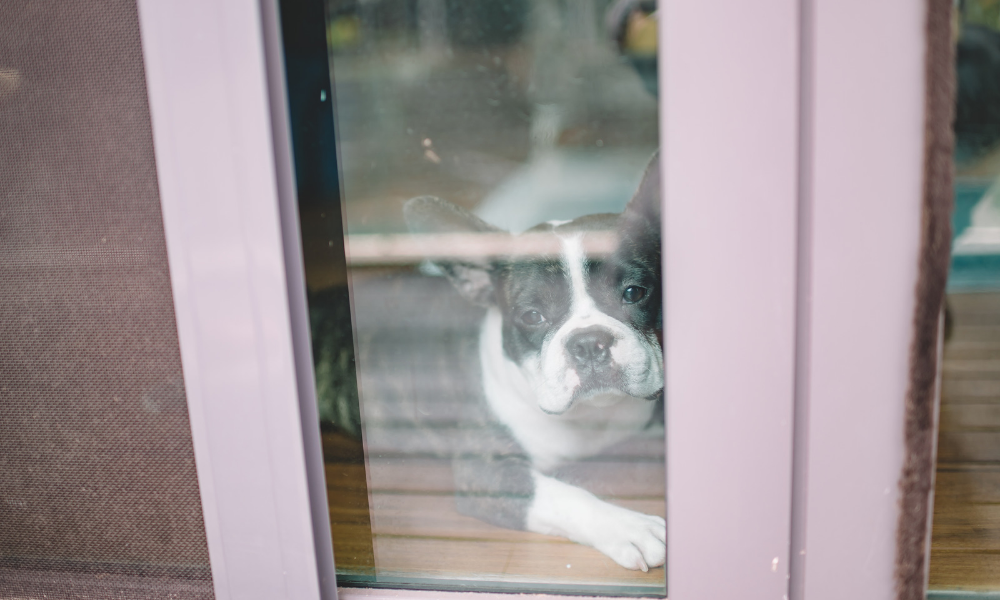
Separation anxiety in dogs shows up before you leave AND while you’re gone. Here’s what it looks like:
Before you leave:
- Following you room to room, trembling, whining
- Pacing or drooling when you grab your keys or put on shoes
While you’re away:
- Destructive behaviors especially near doors or windows, barking or whining, house soiling, and escape attempts
- Refusing food — many anxious dogs simply won’t eat when alone
Pro tip: Set up a phone camera before you leave. Video footage is the most helpful tool for your vet to identify and evaluate symptoms that occur in your absence.
What Doesn’t Work (Stop Doing This)
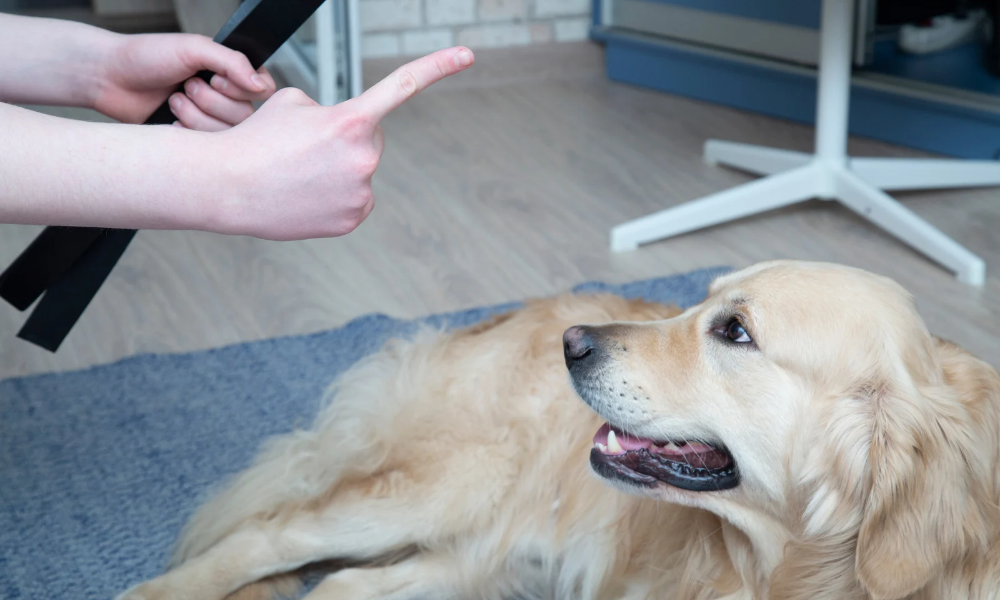
Before we get to solutions, let’s bust the myths — because the wrong approach makes separation anxiety in dogs much worse:
- Punishing them when you get home — By the time you’re back, your dog has no idea why they’re in trouble. It only adds fear
- Crating them — For dogs with separation anxiety, a crate often amplifies panic rather than calming it
- Getting a second dog — This rarely fixes the core attachment issue
- “They’ll grow out of it” — Without help, it almost always gets worse, not better
What Actually Works
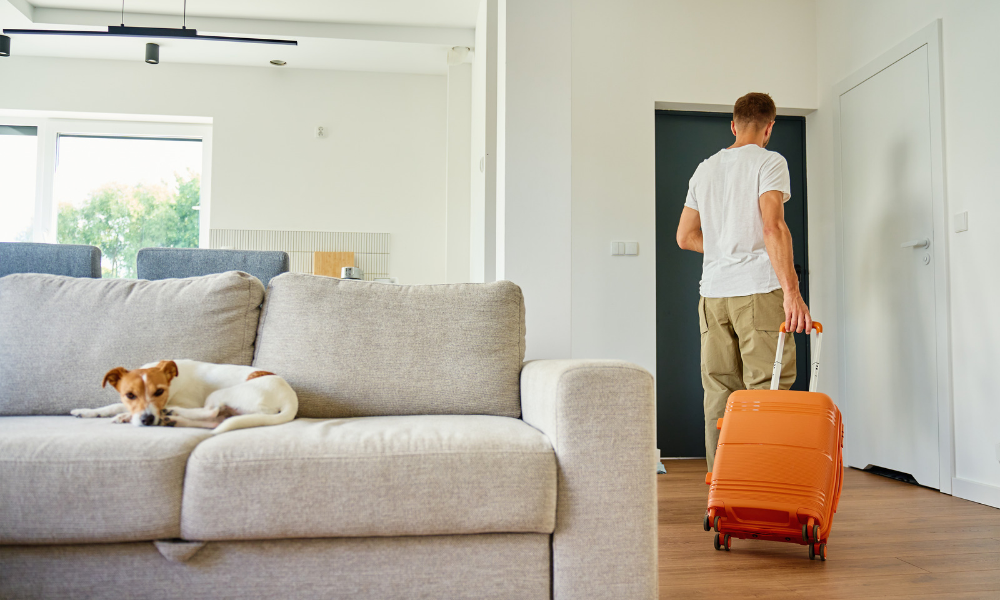
Good news: separation anxiety in dogs is very treatable. Here’s what the evidence supports:
- Desensitization – The Gold Standard
Gradually teach your dog that you leaving is no big deal. Start with absences of just a few seconds. Pick up your keys, then sit back down. Put on your shoes, then watch TV.
This systematic approach — gradually building up the length of absence — produces significant reductions in both the frequency and severity of separation-related behaviors.
- Calm Departures & Arrivals
No emotional goodbyes. No big excited hellos. Keep it low-key. Dramatic farewells actually spike your dog’s anxiety further.
- Positive Associations
Puzzle feeders, frozen Kongs, long-lasting chews — give your dog something amazing that only appears when you leave. “You leaving” slowly starts to mean “good stuff happens.”
- Medication — When Needed, and That’s Okay
Sometimes training alone isn’t enough. Two medications are FDA-approved specifically for separation anxiety in dogs: fluoxetine hydrochloride (Reconcile) and clomipramine hydrochloride (Clomicalm).
A daily medication — given whether or not the dog will be left alone — can effectively raise a dog’s distress threshold. These aren’t sedatives; they lower anxiety enough so that training can actually stick. Always used alongside behavior work, never alone.
- Professional Support
If things are severe, a certified veterinary behaviorist can build a plan specific to your dog. Don’t wait until it spirals.
“Separation anxiety can have a big impact on a dog and their owner’s quality of life. With time and patience, plus support from your vet and an accredited behaviourist, it is a problem that can be significantly improved — and often completely cured.”
— Shauna Walsh, PDSA Vet Nurse
One Last Thing
Separation anxiety in dogs is hard — on your dog, and honestly, on you too. But understanding that your dog isn’t acting out of spite, but out of genuine fear, changes everything. That’s the most necessary part in these types of situations.
With the right approach — patience, consistency, and sometimes a little help from your vet — most dogs improve significantly. Your dog isn’t broken. They just need you to show them, slowly and kindly, that you always come back.
Related Readings:
Why Does My Dog Eat Grass? — Causes, Risks & How to Prevent It
Silent Warning Signs of Food Toxicity in Pets Most Owners Mistake for Normal Behavior