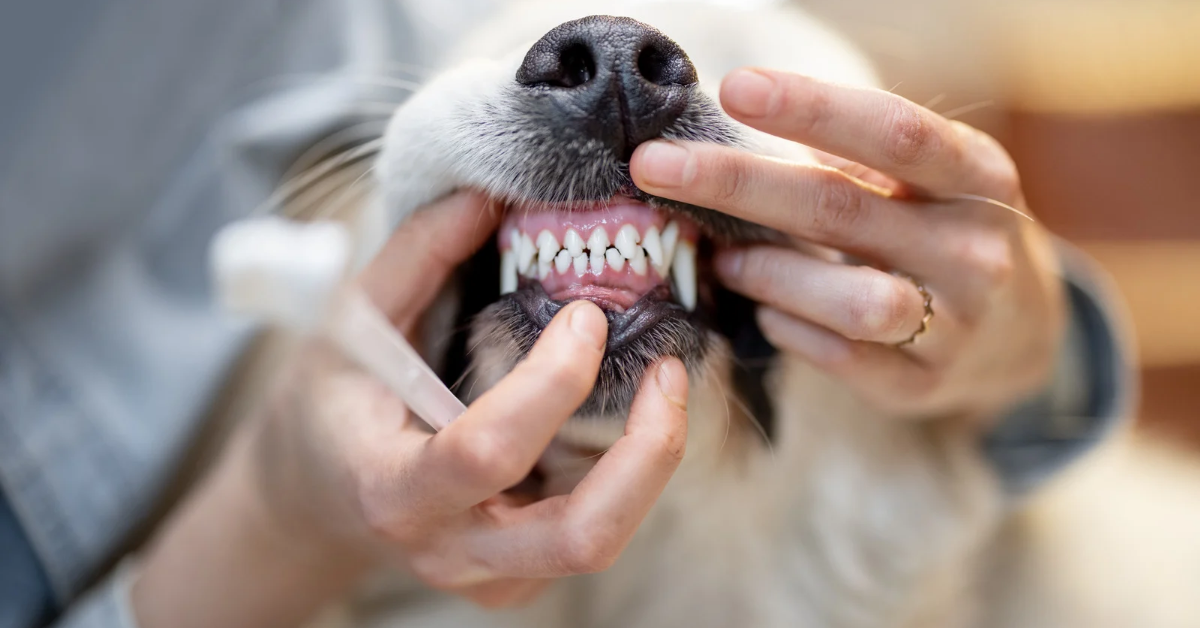
Dental disease in pets is the most common health problem vets see. That’s why your vet finishes the checkup, looks up, and says it again, “We really need to talk about those teeth.” And you nod, make a mental note, and then life gets busy.
Sound familiar?
Most pet parents hear the dental warning every single year. But here’s what your vet is really trying to tell you: dental disease in pets goes way beyond bad breath. You should understand this first.
Really, it can quietly damage your pet’s heart, kidneys, and liver — and by the time most owners notice something is wrong, it’s already serious. In those situations, their lives may be at risk.
Let’s actually talk about it.
This Is More Common Than You Think
According to Banfield Pet Hospital’s analysis of over 3 million pets, 73% of dogs and 64% of cats were diagnosed with dental-related issues in a single year. (IAABC FOUNDATION JOURNAL)
Let that sink in. Your pet is statistically more likely to have dental disease in pets than to not have it. And most of them? Still eating normally. Still wagging their tail. Still acting completely fine — because animals are incredibly good at hiding pain.
What’s Actually Happening in That Mouth
Dental disease in pets doesn’t appear overnight. It sneaks in, slowly:
- Plaque forms — within hours of eating, bacteria coat the teeth in a soft film
- Plaque hardens into tartar — brushing can no longer remove it at this stage
- Gums get inflamed (gingivitis) — red, puffy, and starting to bleed
- Periodontal disease sets in — the structures holding the teeth break down, infection spreads, and bacteria enter the bloodstream
That last part is what your vet is really worried about. What starts as plaque and gum inflammation can eventually affect vital organs like the heart, liver, and kidneys — bacteria from infected gums enter the bloodstream and travel throughout the body.
Banfield’s data found that cats with advanced periodontal disease were 1.5 times more likely to develop chronic kidney disease — and dogs were 2.3 times more likely. (PubMed)
This isn’t nagging. This is your vet trying to protect years of your pet’s life.
Signs That Dental Disease in Pets Is Already Happening
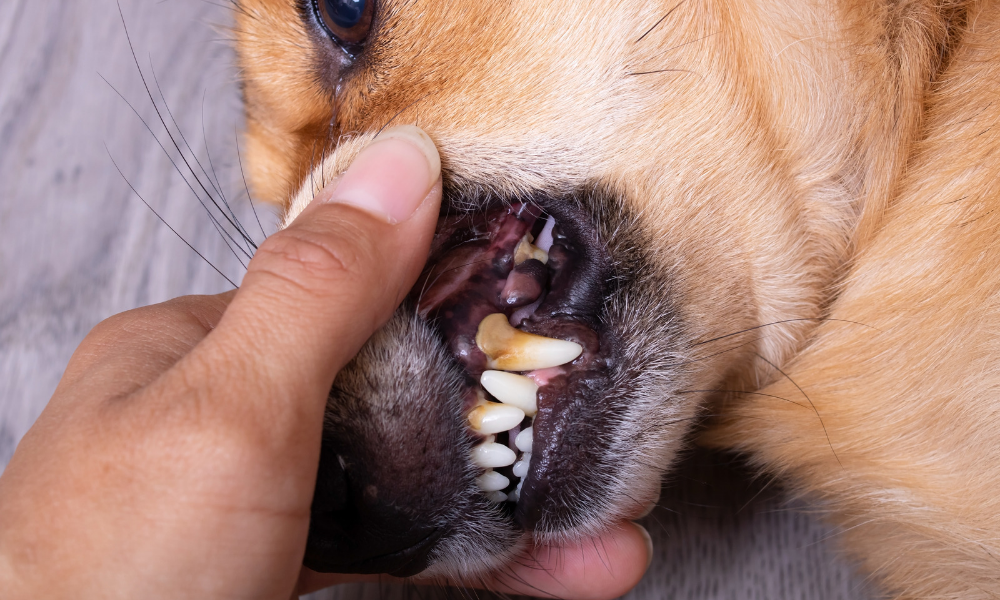
Check for these at home:
- Bad breath that’s genuinely foul — not just “dog breath”
- Yellow or brown buildup along the gumline
- Red, swollen, or bleeding gums
- Dropping food or chewing only on one side
- Pawing at the mouth or face
- Less interest in chew toys they used to love
Here’s the tricky part: even with advanced dental disease, many dogs continue eating and show no obvious signs of pain — which is exactly why annual dental exams matter so much.
What Actually Helps
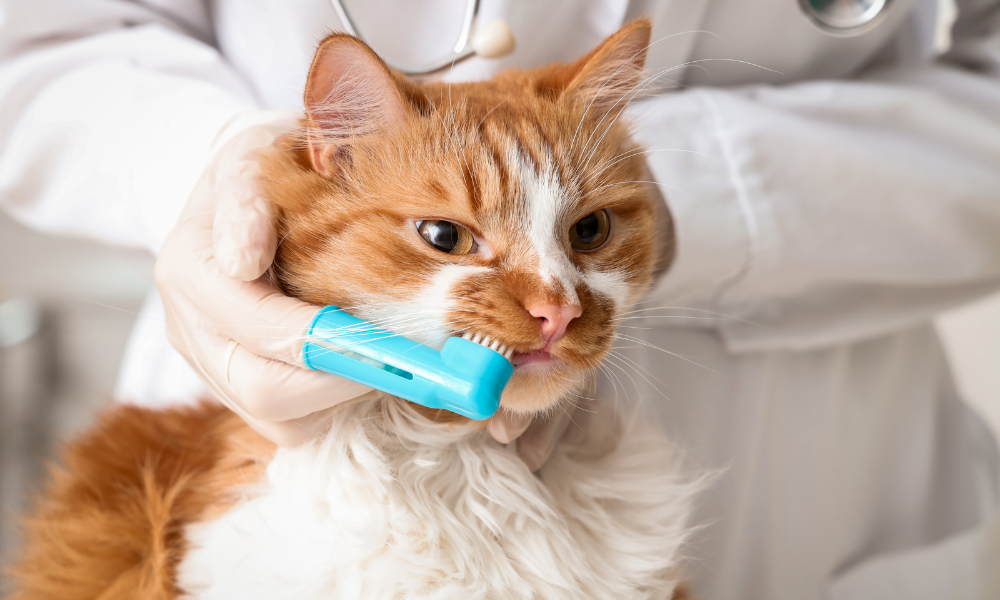
At home:
- Daily brushing — still the gold standard. Use pet-safe toothpaste only (human toothpaste contains xylitol, which is toxic to pets)
- VOHC-approved dental chews — look for the Veterinary Oral Health Council seal; it means the product is actually tested and proven to reduce plaque
- Water additives and dental diets — good support tools, but they work alongside brushing, not instead of it
At the vet:
Professional cleanings under anesthesia — this is the only way to clean below the gumline where dental disease in pets actually lives. Anesthesia-free cleanings only polish the surface and leave the real problem completely untouched.
As Dr. Tavella, DVM puts it: “Regular brushing is the most effective way to remove plaque and slow the progression of periodontal disease.”
One Last Thing
Next time your vet brings up your pet’s teeth, try to hear it differently. They’re not repeating themselves to fill awkward silence. They’re connecting dots between a dirty mouth and a shorter, more painful life.
Dental disease in pets is incredibly common — but it’s also one of the most preventable conditions out there. Start small. One dental chew today. A toothbrush introduction this weekend. A booking for that overdue cleaning.
Your pet can’t ask for help. But you can give it.
Read More:
Separation Anxiety in Dogs: Causes, Signs & What Actually Works
Why Does My Dog Eat Grass? — Causes, Risks & How to Prevent It
Silent Warning Signs of Food Toxicity in Pets Most Owners Mistake for Normal Behavior