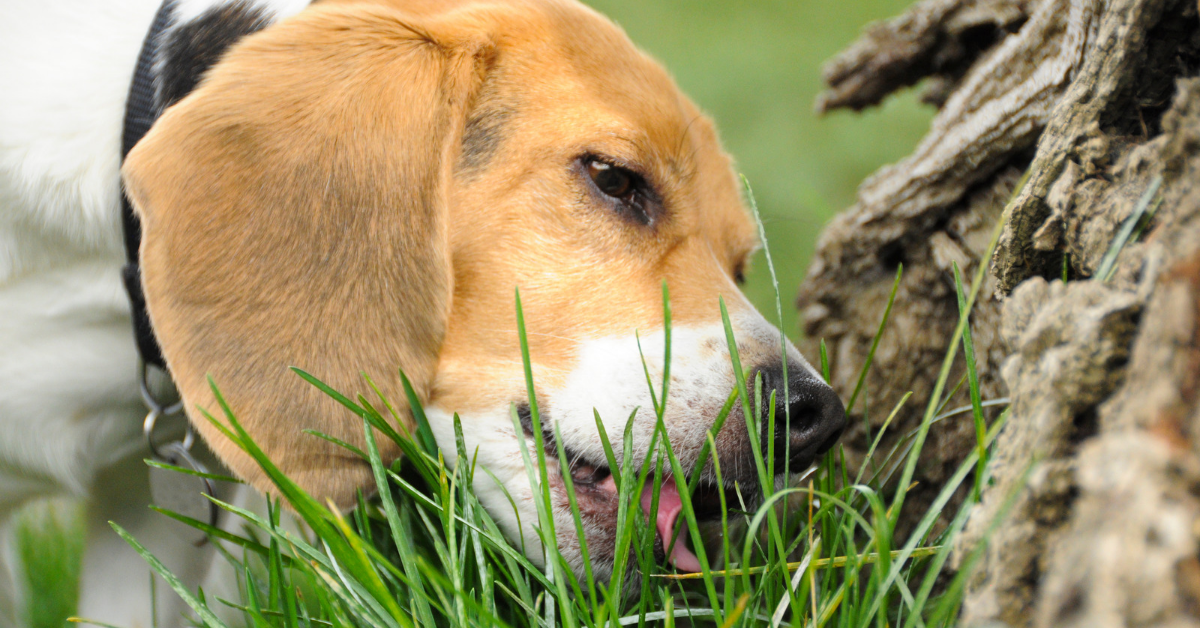
You’re standing in the backyard, coffee in hand, watching your dog completely ignore the expensive kibble you just put down — but now they’re out there happily chomping away at the lawn like it’s breakfast. Every dog parent has been there. And every dog parent has asked the same thing out loud at least once — “Why does my dog eat grass?!”
Is it dangerous? Are they sick? Did you miss something? I’ve been asked this question so many times, and honestly, I get it. It looks weird. It worries you. So let’s just talk through it — no confusing vet-speak, just a real conversation.
Is It Normal?
Usually, Yes
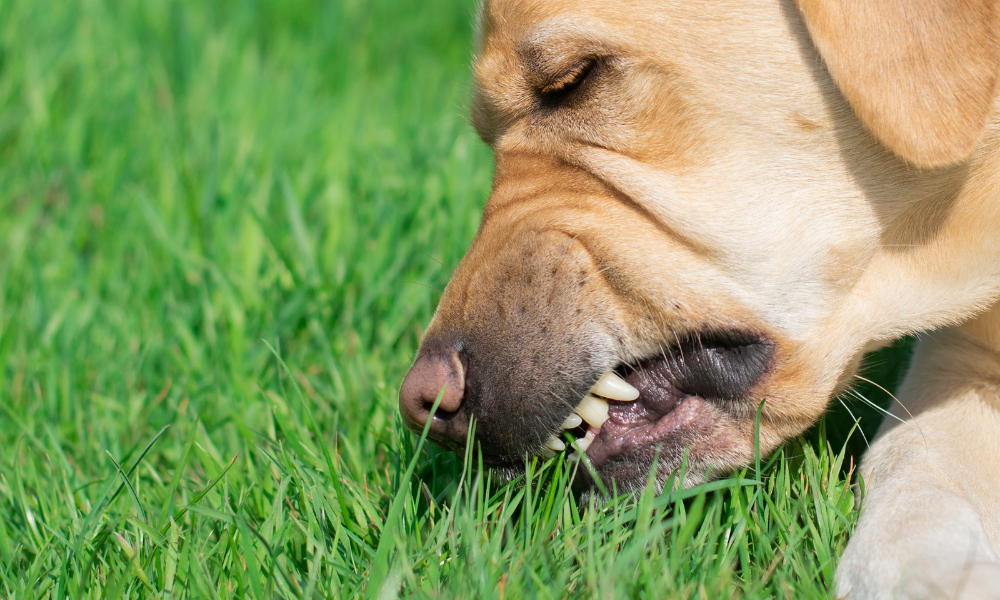
Here’s the first thing I want you to hear — take a breath. This behavior is incredibly common. Like, you’d be surprised how many dog parents come in worried about this and leave relieved.
Dogs in the wild used to eat everything — including plants and grasses that were part of their prey’s stomach contents. That ancestral habit? It never fully left. Your domesticated, well-fed furball still carries those old instincts around. So when they eat a few blades of grass on a morning walk, they’re not having a health crisis. Actually, they’re just being a dog.
Why Does My Dog Eat Grass? Let’s Go Through The Real Reasons
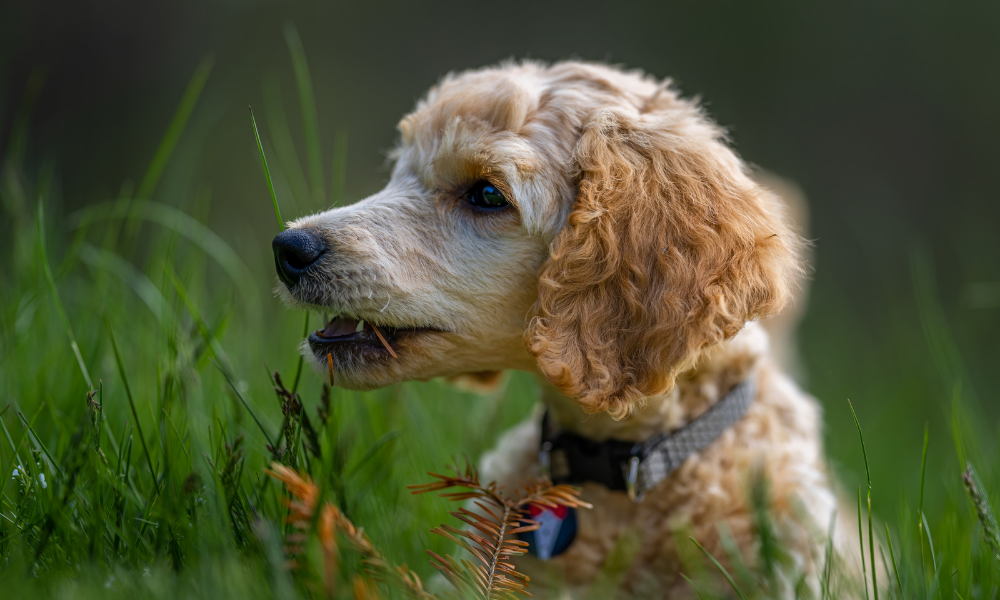
There’s never just one answer here — and each reason tells you something different about what your dog might need:
Their body wants more fiber
Grass is roughage. When a dog’s diet is low in fiber, their digestion slows down and passing stool becomes harder. Grass actually helps move things along. It’s not glamorous, but it works.
Old instincts die hard
Wild ancestors, plant matter, full circle. Some dogs just graze. It’s hardwired.
They’re bored out of their mind
This one surprises people. Dogs left alone in the yard for long stretches will find something to do — and grass is right there. Anxious dogs are especially prone to this. Think of it like how some people nervously chew their pen or bite their nails. Same energy.
They genuinely like the taste
Especially young spring grass, which is tender and a little sweet. Some dogs just enjoy it. Not everything needs a deeper explanation.
They feel a little off
Here’s where I want to clear something up. A lot of people believe dogs deliberately eat grass to make themselves vomit. But as Dr. Jo Myers, a veterinarian at Vetster, explains it — “A dog does not intentionally cause vomiting by eating grass.” What actually happens is the grass blades irritate the throat on the way down, which can trigger gagging — especially if the dog was already feeling nauseous. It’s not a plan. It’s just what happens.
So How Does It Actually Affect Their Health?
For most dogs — it doesn’t cause any real problem. Studies show fewer than 25% of dogs even vomit after eating grass (VCA Animal Hospitals). The rest just graze, move on, and forget about it. There is nothing to worry.
That said — if your dog is eating grass AND showing signs of real discomfort, likr nausea, not eating, seeming dull and flat.That combination can sometimes point to something like gastric reflux, inflammatory bowel disease, or pancreatitis. Those need a vet’s eyes on them, not just a Google search.
When Should You Actually Be Worried?
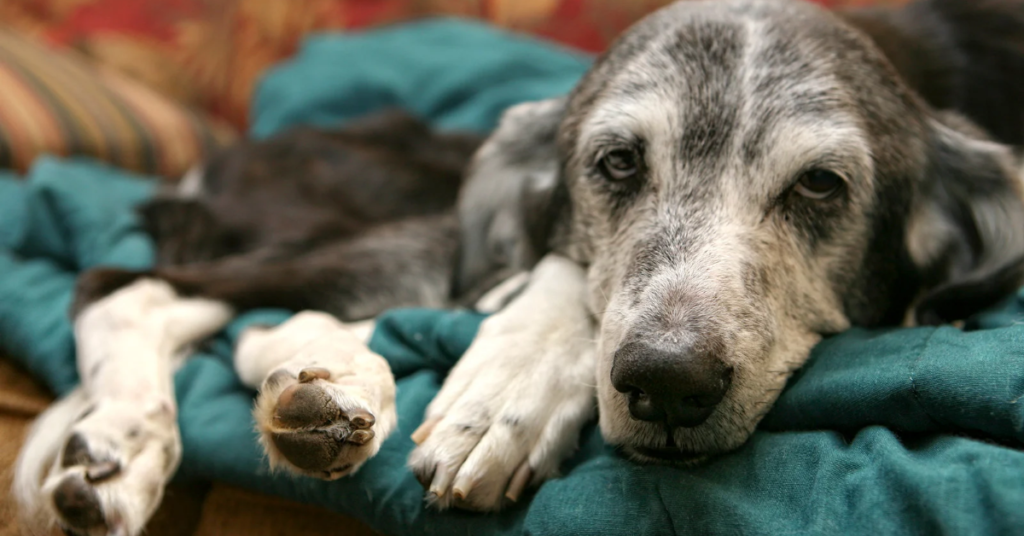
This is the part I always stress with dog parents — occasional grass eating is usually nothing. But pay attention to the pattern. Here’s what should make you pick up the phone and call your vet:
- They’re eating grass frantically — like they can’t stop themselves
- They’re vomiting more than once after grazing
- You’re seeing blood in their vomit or stool
- They seem tired, weak, or just not themselves
- Their appetite has dropped alongside the grass eating
- The behavior came on suddenly and intensely, out of nowhere
Any one of those alone — worth mentioning to your vet. Several of them together — don’t wait.
The Risks Nobody Talks About Enough
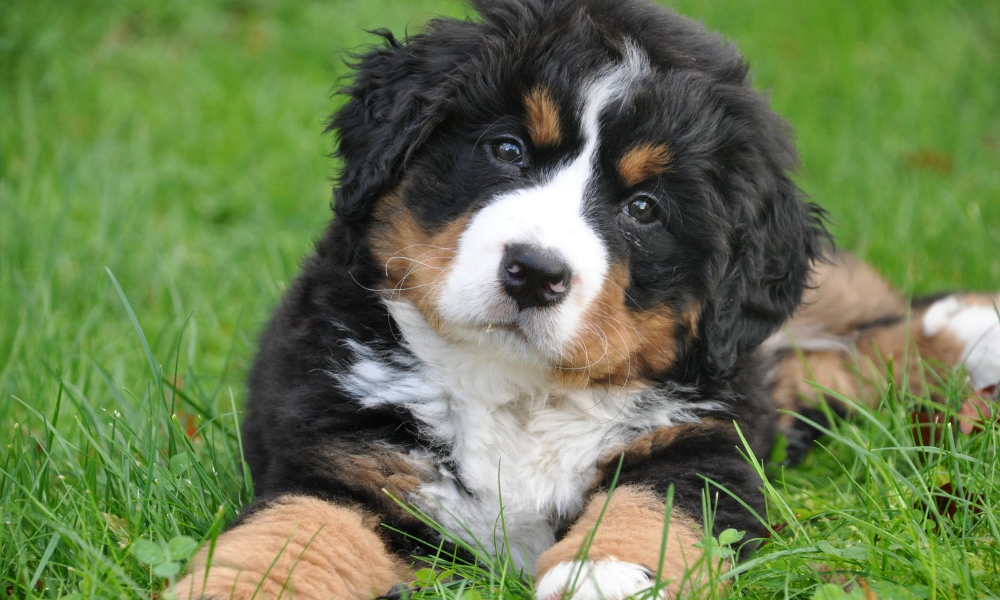
Here’s the thing — the grass itself is almost never the issue. It’s what’s living on it or soaked into it that causes real harm:
- Pesticides & herbicides — A freshly treated lawn looks perfectly fine to your dog. They have no idea. But those chemicals can cause poisoning that ranges from mild stomach upset to something much more serious and dangerous.You have to much concern about this.
- Parasites — Roundworms, hookworms — they sit in soil and on grass blades, left behind from other animals’ droppings.( We will bring a seperate article about this) Your dog eats the grass, picks up the parasite. It happens quietly and builds up over time.
- Digestive blockage — If a dog swallows a big mouthful of long grass or any high fiber contained grass fast, in rare cases it can get tangled in the stomach and cause a blockage. Not common, but real.(There were some scenarios)
How to Actually Prevent It ?
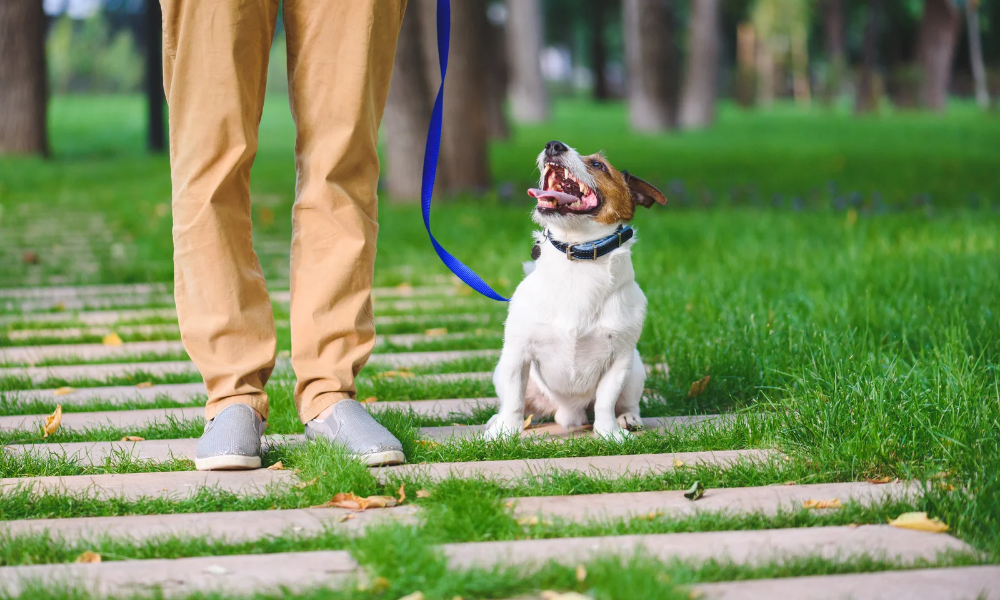
You don’t necessarily need to eliminate this behavior entirely — but if it’s excessive, or the risks above worry you, here’s what genuinely makes a difference:
- Look at what they’re eating — Add some fiber to their diet. Cooked carrots, broccoli, or switching to a higher-fiber dog food can reduce the urge noticeably. Ask your vet what suits your dog’s size and age.
- Tire them out more— Longer walks, fetch, puzzle feeders, training sessions.A dog that’s mentally and physically engaged just doesn’t need to find entertainment in the lawn. ( These things are important not only for this, but also for a healthy dog)
- Give them a safe alternative — Grow a little pot of wheatgrass or oat grass indoors. Clean, chemical-free, and they can graze away without any of the risks.(You can try this)
- Teach a solid “leave it” — It takes patience but it works. Redirect them every time, reward the redirect, and over a few weeks it becomes second nature.
- Treat your lawn carefully — If you have dogs, go pet-safe with any fertilizers or treatments. Your lawn doesn’t need to be perfect. Your dog needs to be safe.
- Don’t skip the annual vet check — A routine fecal test picks up parasites early. A quick nutrition review can catch any gaps in their diet before they become a real problem.
Conclusion
Why does my dog eat grass? — Honestly, most of the time it’s just instinct, a little boredom, or the fact that your dog finds fresh grass genuinely enjoyable. It doesn’t mean they’re sick. It doesn’t mean you’re doing something wrong. Understand this first.
But here’s what I always tell dog parents: your dog talks to you through their behavior. When that behavior shifts — when the grass eating becomes frantic, or frequent, or comes with other symptoms — that’s them trying to tell you something. Observe & listen to it.
Related Readings :
Top 3 Dog Emergencies Every Owner Must Know 🐶🚨
Silent Warning Signs of Food Toxicity in Pets Most Owners Mistake for Normal Behavior🐶🐱☠️