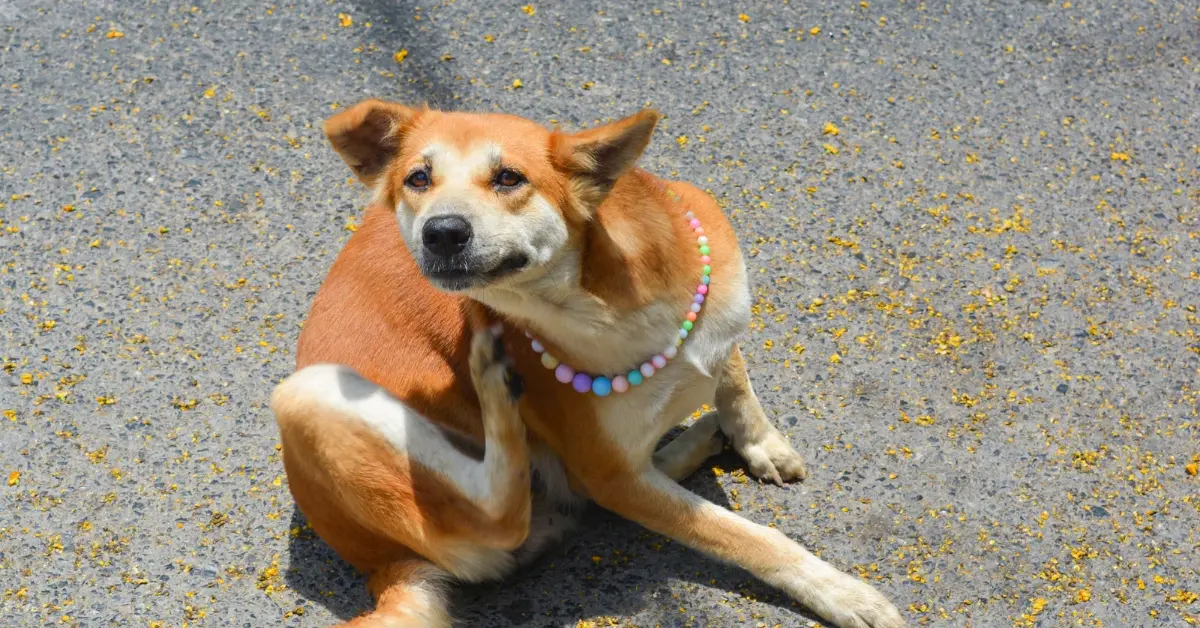
Dog allergies & itching — if there’s one thing that keeps pet owners up at night, it’s watching their dog scratch, lick their feet raw, and shake that collar at 2 AM with no sign of stopping. We hear you. And more importantly, your dog is trying to tell you something.
Here’s something that might surprise you: dog allergies and itching have been the single most common reason dogs end up at the vet for 13 years running. Over 450,000 insurance claims were filed for skin allergies in dogs in 2024 alone.
So if you’ve been wondering whether this is “normal” — it’s not. But it is very common. And in 2026, there are more ways to help your dog than ever before.
Let’s talk through all of it.
So Why Is My Dog Always Itching?

Dog allergies and itching almost always trace back to one of these four things:
- Environmental allergies (atopic dermatitis) — pollen, dust mites, mold spores. This is the big one. Most dogs develop it between ages 1 and 3, and it quietly gets worse every season if nothing’s done about it.
- Flea allergy dermatitis — honestly, just one flea bite is enough to send a sensitive dog into a scratching frenzy that lasts days.
- Food allergies — trickier to spot because the symptoms look identical to environmental allergies. Chicken, beef, and dairy top the list of repeat offenders.
- Contact allergies — certain grasses, fabrics, or even your floor cleaner touching their skin can set things off.
How Do You Know It’s Actually Allergies?

With dog allergies and itching, these are the signs we see most often:
- Constant licking or chewing at the paws
- Rubbing their face on the carpet or furniture
- Red, irritated, or thickened patches of skin
- That yeasty smell coming from their skin or ears
- Recurring ear infections (this one gets overlooked a lot)
- Hair loss, hot spots, or scabs from scratching
If three or more of those sound familiar, stop waiting to see if it passes — it usually doesn’t. A vet visit now saves a lot of discomfort later.
What Can Actually Help? Your 2026 Treatment Options

This is where things have genuinely improved. Dog allergies and itching used to mean steroids and crossed fingers. Not anymore.
- Start with the basics — bathing your dog weekly with a gentle, hypoallergenic shampoo washes allergens off before they absorb into the skin. Wipe their paws after every walk. Keep flea prevention going year-round, not just in summer.
- Apoquel (oclacitinib) — a once-daily pill that blocks the specific signals causing itch and inflammation. It kicks in within 24 hours, and your vet can adjust the dose as needed. Works well for dogs 12 months and older.
- Cytopoint (lokivetmab) — a vet-administered injection that goes straight after IL-31, the protein that actually triggers the itch signal in your dog’s nervous system. One shot lasts 4 to 8 weeks. No pills to remember, no daily routine — and safe for dogs of any age, including young puppies.
- Immunotherapy — if your dog’s allergies are confirmed through testing, this is the long game. Custom allergy shots or oral drops slowly retrain the immune system to stop reacting.
Takes months to see the full effect, but for many dogs it reduces — or even eliminates — the need for other medications over time.
The New Befrena Injection — Here’s What’s Changed
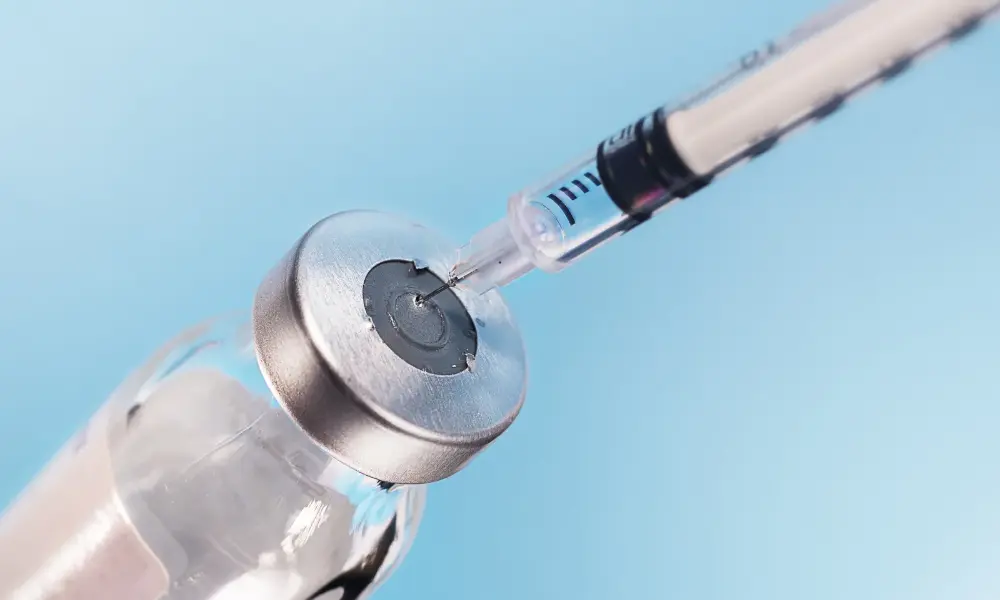
This is the big news in dog allergies and itching for 2026, and we think it’s worth knowing about.
Befrena (tirnovetmab) is a brand-new injectable treatment by Elanco, USDA-approved in December 2025 and now available through vets across the U.S.
It works the same way as Cytopoint — by targeting and neutralizing IL-31 before it can trigger that itch signal — but it comes with a few meaningful differences.
According to AAHA, Befrena:
- Starts controlling itch within 24 hours
- Lasts 6 to 8 weeks per dose — slightly longer than Cytopoint’s 4 to 8 week window, which means fewer trips to the vet
- Has no age or weight restrictions — safe from puppies to seniors
- Comes in multiple vial sizes so your vet can dose it precisely by your dog’s weight
Early cases coming in from vets who’ve already used it are encouraging — dogs stopping scratching within a day of their first injection, with owners noticing coat regrowth in previously irritated areas.
If your dog hasn’t responded well to Cytopoint or Apoquel, or if you’re simply looking for something with a longer gap between doses, this is absolutely worth asking your vet about at your next visit.
A Quick Guide to Picking the Right Option
Every dog is different, but here’s a rough way to think about it:
- Mild or seasonal itching → start with lifestyle changes and see your vet for guidance
- Moderate year-round dog allergies and itching → Apoquel or Cytopoint
- Puppy, or a dog who won’t take pills → Cytopoint or Befrena
- Want fewer vet visits → Befrena’s 6–8 week interval is worth discussing
- Looking for a long-term root-cause fix → ask about allergy testing and immunotherapy
Your vet is the only one who can confirm what type of allergy is driving your dog’s symptoms — and that changes everything about the treatment plan.
Don’t Wait on These Warning Signs

With dog allergies and itching, see your vet sooner rather than later if you notice open sores or bleeding from scratching, three or more ear infections in a single year, patchy hair loss, or no improvement after two weeks of trying anything at home.
Your dog doesn’t have to spend every day uncomfortable. With the right diagnosis and the right plan — and now with newer options like Befrena joining the mix — relief is very much within reach.
If any of this sounds like your pup, bring it up at your next vet visit. Sometimes one conversation is all it takes to turn things around.
Read More :
Your Pandemic Pet Is Now Middle-Aged: The Midlife Health Guide
Why Does My Dog Eat Grass? — Causes, Risks & How to Prevent It
Summer Heatstroke in Dogs: Signs, First Aid & Prevention — Complete Guide