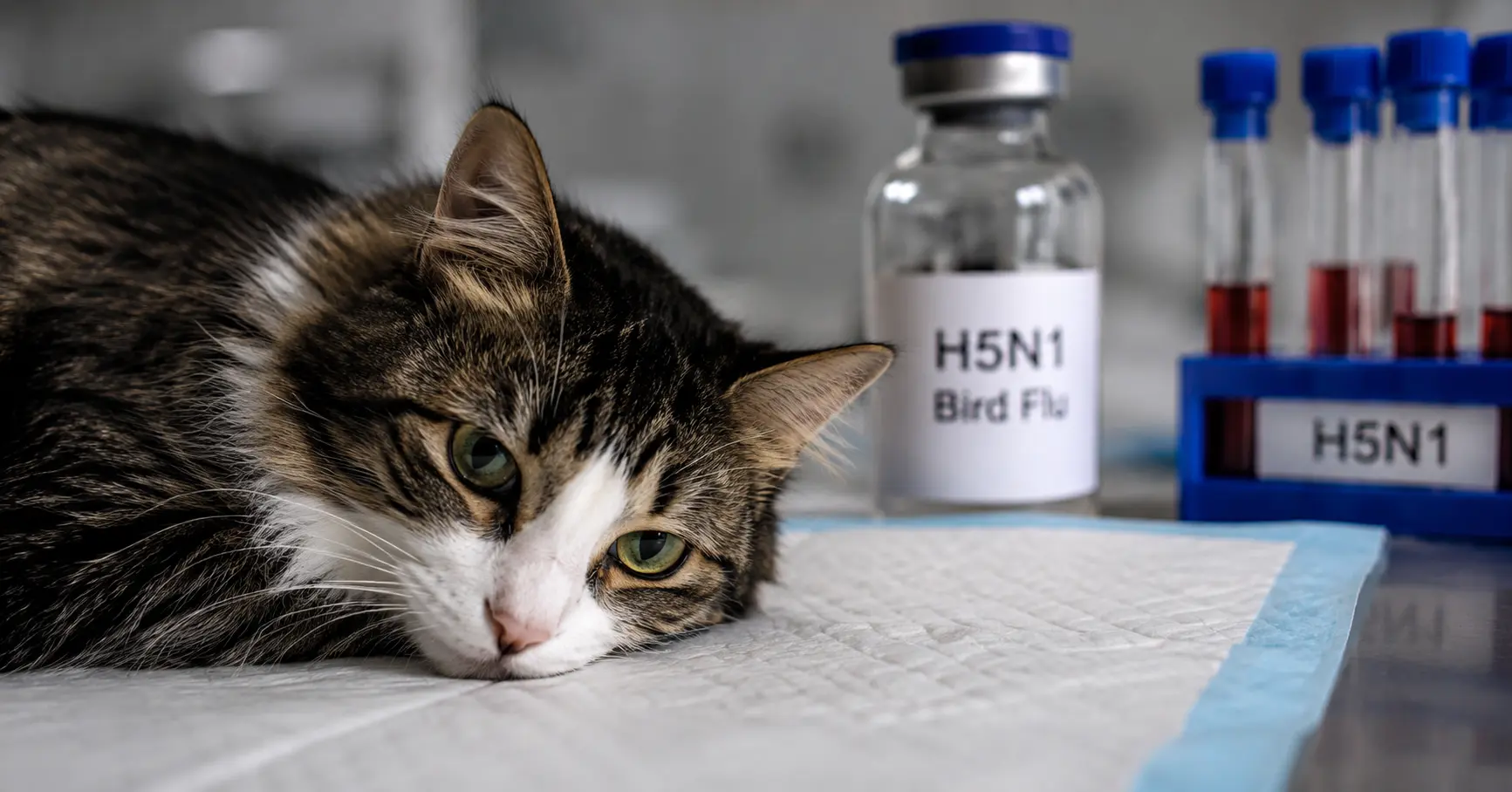
If you’ve been hearing about H5N1 bird flu in cats and wondering whether your own pet could be at risk — you’re right to pay attention. Because in May 2026, the CDC confirmed something truly historic: a domestic cat passed this virus to a human for the very first time.
No dramatic symptoms. No warning. The infected veterinary professional in Los Angeles only found out months later through a blood test. (American Veterinary Medical Association) And that quiet, invisible transmission is exactly why every cat owner needs to know what’s happening right now.
So How Are Cats Getting H5N1 in the First Place?
H5N1 bird flu has been spreading widely in wild birds and poultry across the U.S. for years. Cats are catching it mostly through what they eat and where they roam.
The main ways cats are getting infected:
- Raw pet food — multiple brands have been recalled after testing positive for H5N1
- Raw or unpasteurized milk — a surprisingly common culprit
- Raw meat fed at home as part of a “natural” diet
- Outdoor exposure — catching or coming into contact with sick or dead wild birds
All 19 cats in the LA outbreak became ill after consuming commercially purchased raw milk, raw meat, or raw pet food between November 2024 and January 2025. (Blogger) This isn’t a farm problem. These were regular house cats, eating food bought from stores.
As Dr. Meghan Davis, Associate Professor at Johns Hopkins Bloomberg School of Public Health, put it — cats are “exquisitely sensitive” to this virus, with confirmed cases ranging from barn cats to strictly indoor pets. (American Veterinary Medical Association)
What Does H5N1 Bird Flu in Cats Actually Look Like?
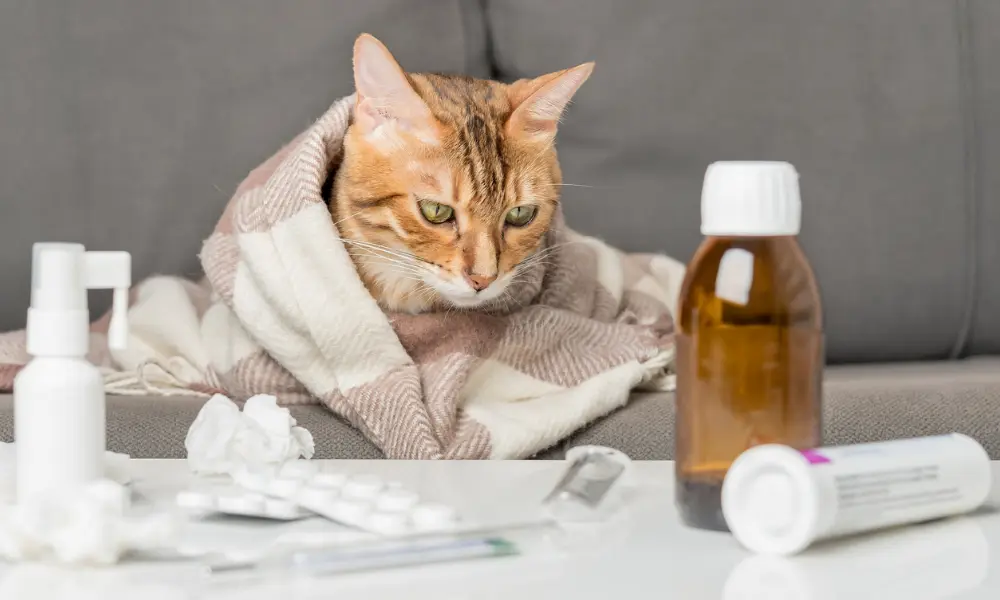
This is where it gets scary — because H5N1 can move fast in cats. Warning signs to watch for:
- Fever and sudden lethargy
- Loss of appetite
- Red, runny, or swollen eyes
- Difficulty breathing
- Discharge from eyes or nose
- Neurological signs — tremors, seizures, loss of coordination, or blindness
H5N1 in cats can rapidly progress from these early signs to death, with severe cases involving neurological damage, respiratory failure, and liver disease.
If your cat is showing any of these signs — especially after eating raw food — call your vet right away. Don’t wait to see if it gets better.
What Should You Do Right Now?
The good news is there are clear, simple steps you can take today:
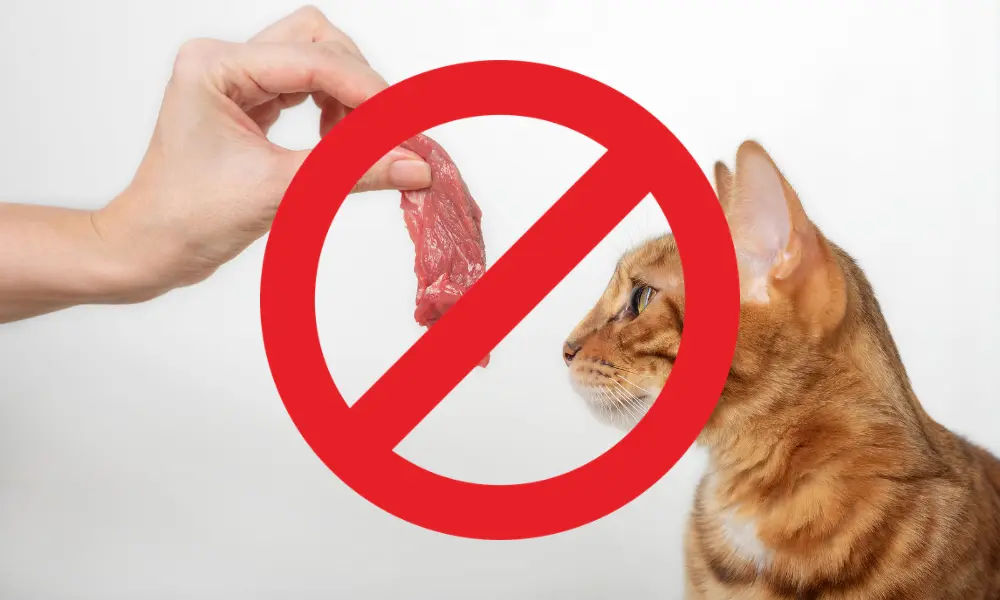
- Switch off raw food — this is the single biggest change you can make
- Keep cats indoors, especially if you live near farms, wetlands, or areas with wild bird activity
- Wash your hands after handling any pet food, even commercial brands
- Check FDA recall lists at fda.gov if you’ve been feeding raw products
- If your cat was on a recalled food, contact your vet even if your cat looks perfectly fine
The CDC study authors were clear: pet owners should not feed raw animal products to cats, and veterinary professionals should use proper protective equipment when handling cats that may have been exposed. (American Veterinary Medical Association)
Should You Panic?
No — and we want to be honest with you about that. The CDC states that the current public health risk for the general population remains low, and there are no unusual indicators of H5N1 spreading widely among people.Your cozy indoor cat eating commercial kibble is not in danger.
But H5N1 bird flu in cats is now a confirmed bridge between animals and people. That’s not something we can ignore. The smartest thing you can do is make a few changes now, before there’s ever a reason to worry.
Your cat trusts you completely. And honestly? That’s all the reason we need to stay one step ahead.
Have questions about your cat’s diet or H5N1 risk? Drop them in the comments — we read every single one.
Read More :
Dog Allergies & Itching: The Complete 2026 Treatment Guide (Including the New Befrena Injection)
Your Pandemic Pet Is Now Middle-Aged: The Midlife Health Guide
What to Do in a Pet Emergency: A Vet’s Step-by-Step Guide
Why Does My Dog Eat Grass? — Causes, Risks & How to Prevent It