Pet vaccination can be divided into three essential stages:
- Pre‑Vaccination Care
- Vaccination
- Post‑Vaccination Care
👉 The effectiveness of pet vaccination does not depend only on the injection itself, but on how well all three stages are managed.
If you have read our previous articles — Complete Pet Vaccination Guide, Dog & Cat Vaccination Schedules, and Pre‑Vaccination Care — you already know one important truth:
Ignoring any of these stages can reduce vaccine effectiveness and, in some cases, may even lead to complete vaccination failure.
In this article, we focus on the final and often overlooked stage — Post Vaccination Care, or simply, what you should do after your pet receives a vaccine.
Why Post Vaccination Care Is So Important
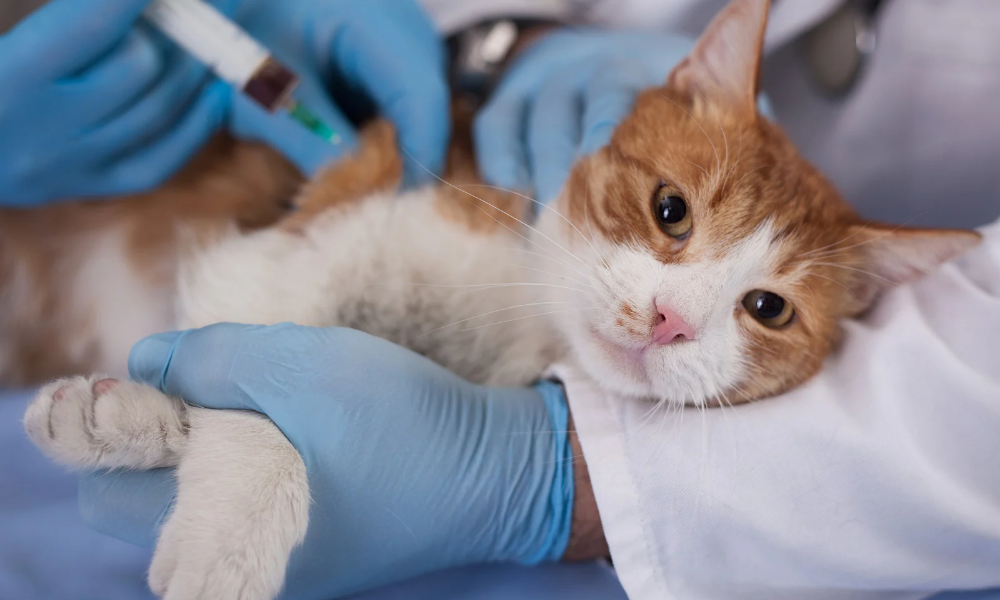
After vaccination, your pet’s immune system begins building protection against serious diseases. During this critical period, proper post vaccination care helps to:
- Reduce vaccine‑related side effects
- Prevent complications
- Improve immune response
- Ensure long‑term vaccine effectiveness
Post vaccination care is not optional — it is a vital part of responsible pet ownership.
Things You Should Follow After Pet Vaccination
1. Observe Your Pet Closely for 24–48 Hours
After vaccination, mild reactions are common and usually normal. You may notice:
- Mild fever
- Slight tiredness or lethargy
- Reduced appetite
- Mild discomfort
These signs usually resolve on their own within 24–48 hours.
2. Limit Physical Activity for at Least 24–48 Hours
Avoid activities that place physical stress on your pet, such as:
- Running or jumping
- Intense play
- Long walks
- Training sessions
- Swimming
Adequate rest allows the immune system to respond properly to the vaccine.
3. Watch Carefully for Abnormal or Allergic Reactions
Although rare, serious vaccine reactions can occur. Seek immediate attention if you notice:
- Facial swelling
- Vomiting or diarrhea
- Difficulty breathing
- Hives or severe itching
- Extreme weakness or collapse
Early recognition and action can be life‑saving.
4. Monitor the Injection Site Daily
It is normal to feel a small lump or mild swelling at the injection site.
However, contact a professional if you notice:
- Increasing pain
- Heat or spreading redness
- Discharge
- Swelling lasting longer than 2–3 weeks
5. Avoid Bathing or Grooming for 2–3 Days
Do not bathe or groom your pet immediately after vaccination. Keeping the injection site dry and undisturbed helps prevent irritation and discomfort.
6. Provide a Calm and Comfortable Resting Environment
Stress can interfere with immune response. After vaccination:
- Keep your pet in a quiet, comfortable place
- Avoid excessive handling
- Allow uninterrupted rest
7. Maintain Normal Feeding, but Do Not Force Food
- Offer familiar food
- Ensure constant access to fresh water
- Do not force feed
Appetite usually returns within 24 hours.
8. Avoid Introducing New Foods, Treats, or Supplements
Do not introduce new foods, treats, supplements, or medications immediately after vaccination. This makes it easier to identify the cause if any adverse reaction occurs.
9. Give Extra Attention to Vulnerable Pets
Puppies, kittens, senior pets, and pets with existing health conditions may be more sensitive to vaccines. Monitor them more closely during the first few days after vaccination.
10. Avoid Travel and Stressful Activities for a Few Days
Postpone the following activities:
- Travel
- Boarding
- Training classes
- Grooming appointments
Reducing physical and emotional stress supports proper immunity development.
11. Follow the Vaccination and Booster Schedule Strictly
Missing or delaying booster doses can reduce vaccine protection. Always follow the recommended vaccination schedule to ensure strong, long‑term immunity.
12. Keep All Vaccination Records Safe
Maintain vaccination records carefully. These records are important for:
- Future booster planning
- Travel requirements
- Boarding and training programs
- Medical history reference
13. Contact a Professional if Symptoms Persist
Seek help immediately if:
- Lethargy lasts more than 48 hours
- Appetite does not return
- Severe symptoms appear at any time
Final Thoughts
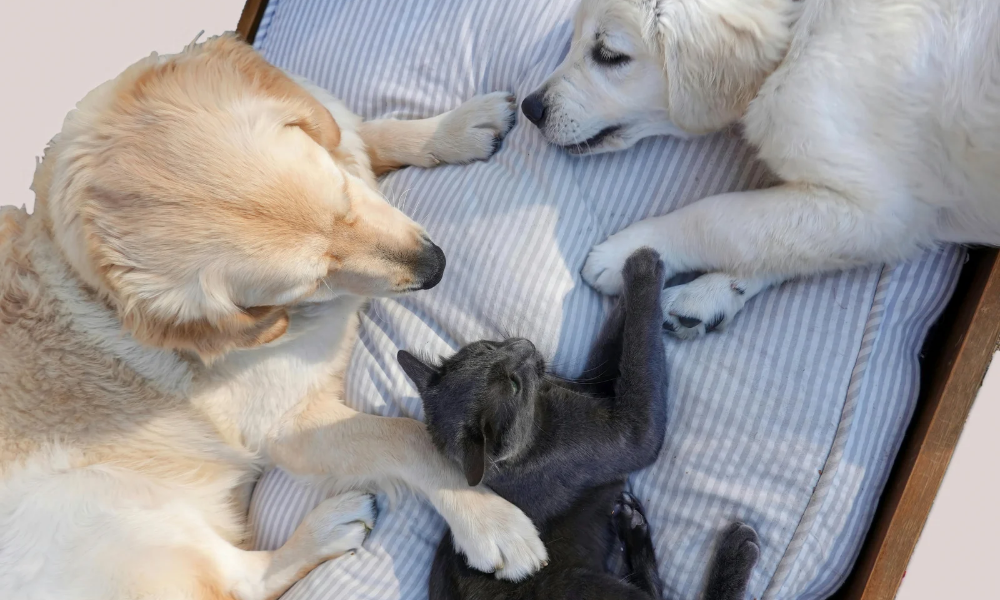
By following correct post vaccination care, you can reduce complications, prevent vaccination failure, and help your pet develop strong, long‑lasting immunity.
Post vaccination care is just as important as the vaccine itself. Vaccination is not simply about giving an injection — it is a complete process that requires proper care before, during, and after vaccination.
If you are interested in learning more about pet vaccination, explore our full vaccination guide and related articles available on our blog.