
Vaccination Schedules for Cats & Dogs – Complete Guide for Pet ParentsVaccination is a life-saving medical tool. In other words, it is like life insurance against infectious diseases.
Today, pet vaccination has become an essential and unavoidable responsibility of every pet parent.In this short article, I will show you the recommended vaccination schedules for dogs and cats.
If you want to learn more about pet vaccination, read the full article on this important topic. It will provide you with a complete vaccination guide for your pets.
Dog Vaccination Guide: Core and Non-Core Vaccines
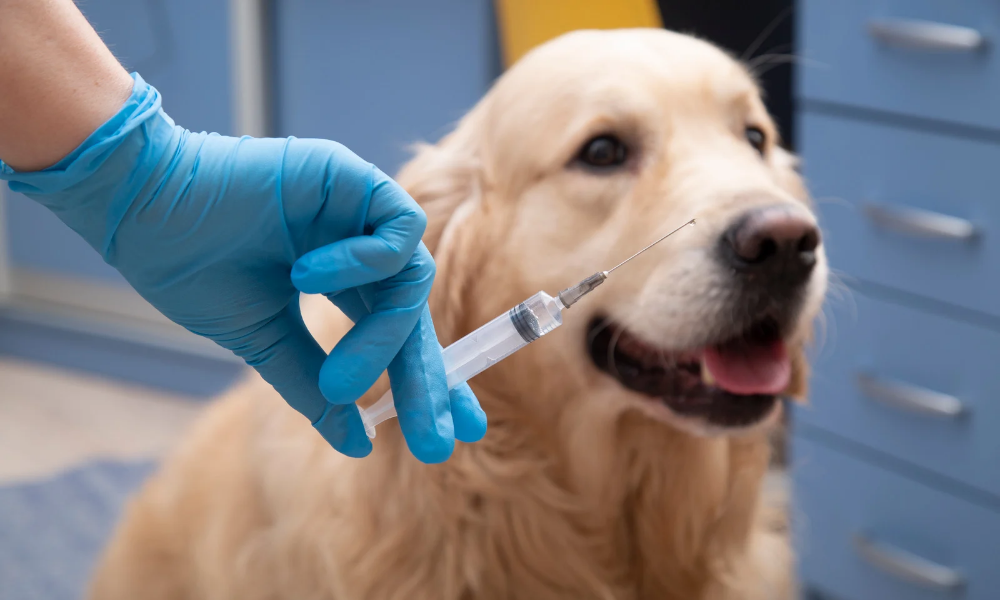
1) DHPP (Core Puppy Vaccines)
Protects against:
Distemper, Hepatitis, Parvovirus, Parainfluenza
When to give:
Start at 6–8 weeks, then every 3–4 weeks until 16 weeks
Booster:
Yearly or as recommended by your veterinarian
Why it’s important:
This vaccine protects against four fatal diseases that are often deadly in puppies. Early dog vaccination is life-saving.
Special note:
Sometimes these combined vaccines may be given as separate vaccines. For example, your veterinarian may provide a separate Parvo vaccine. This depends on availability, effectiveness, and your veterinarian’s decision. So, do not be confused if this happens.
2) Rabies Vaccine for Dogs
Protects against:
Rabies virus (fatal to dogs and humans)
When to give:
Typically at 12–16 weeks
Booster:
After 1 year, and then every 1–3 years depending on local laws
Why it’s important:
Rabies is universally fatal. Vaccination protects your dog and your family.
3) Lifestyle / Non-Core Dog Vaccines
Examples:
Bordetella (Kennel cough), Leptospirosis
When to give:
Based on your dog’s environment and lifestyle
Why it’s important:
These vaccines prevent diseases your dog may be exposed to through outdoor activities, boarding, or travel.
Special note:
These vaccines vary according to your local area and animal-to-animal exposure. You should get guidance from your veterinarian. Provide complete information about your dog’s lifestyle and the most common diseases in your area. Your veterinarian will decide which vaccines are needed.
Cat Vaccination Guide: Core and Lifestyle Vaccines
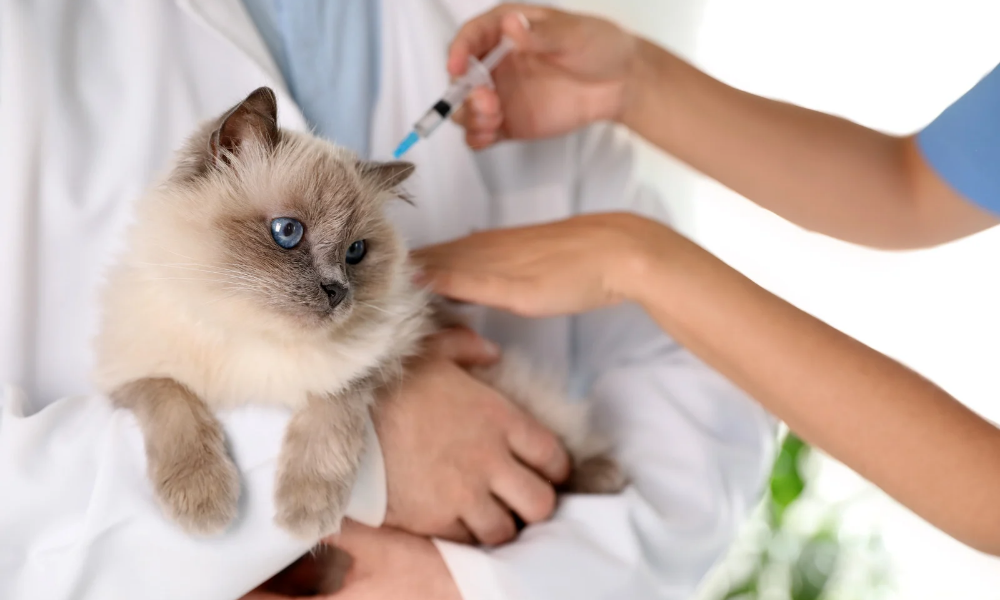
1) FVRCP (Core Kitten Vaccines)
Protects against:
Feline Viral Rhinotracheitis, Calicivirus, Panleukopenia
When to give:
Start at 6–8 weeks, then every 3–4 weeks until 16 weeks
Booster:
Yearly or as recommended by your veterinarian
Why it’s important:
These viral diseases can be fatal for kittens. Early cat vaccination is essential.
2) Rabies Vaccine for Cats
Protects against:
Rabies virus
When to give:
Usually at 12–16 weeks
Booster:
One year later, then every 1–3 years depending on local regulations
Why it’s important:
Protects your cat and your household from rabies.
3) Lifestyle / Non-Core Cat Vaccines
Examples:
Feline Leukemia Virus (FeLV)
When to give:
Recommended for outdoor cats or multi-cat households
Why it’s important:
Protects against infections that spread in high-risk environments.
Special note:
Follow your veterinarian’s advice when choosing these vaccines. Provide accurate information about your cat’s lifestyle, environment, and the most common cat diseases in your area. Your veterinarian will decide which vaccines are needed.
These are the common and ideal vaccination schedules for dogs and cats. Through this article, I have provided the basic knowledge that every pet parent and animal lover should have.
Always consult your veterinarian and make changes if necessary according to local laws and local infectious diseases.
Vaccination is an investment. It prevents your pet from suffering from fatal illnesses and saves you time and money. Take it seriously. It is not an extra option — it is a necessity.
For the complete vaccination guide, read our full article.
For the complete vaccination guide, read our full article.