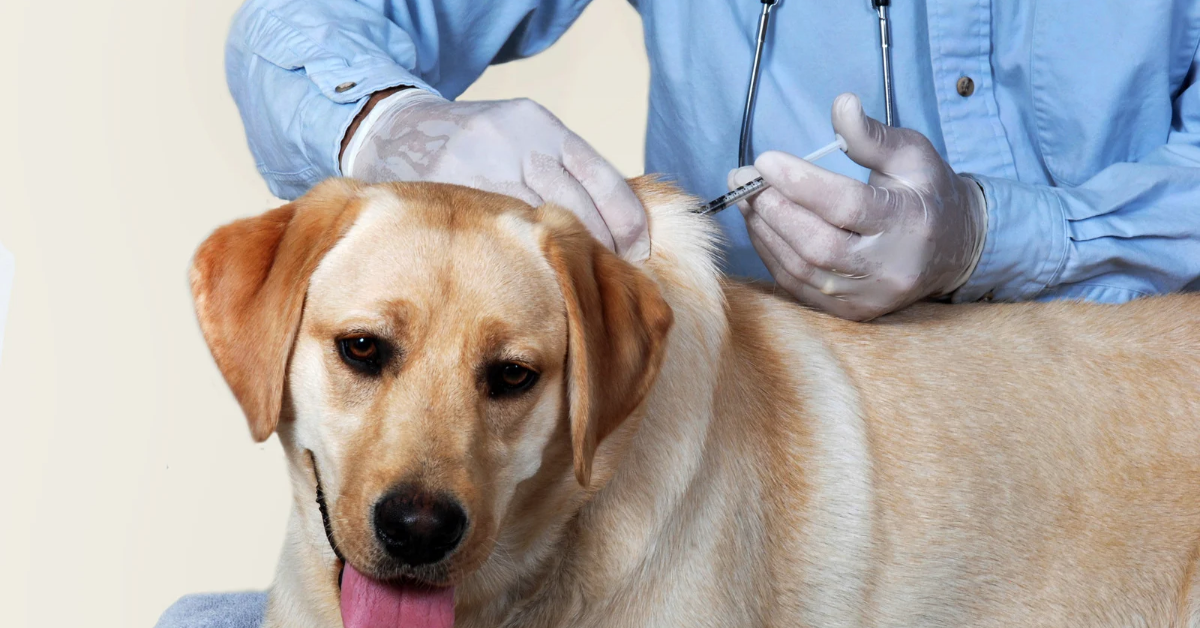
After innovating the vaccines, they have become the main control and preventing method of fatal diseases. Usually, we know about vaccines that are used in human medicine because we have experiences with those vaccines from our childhood. What about animal vaccines? Are vaccines for dogs and cats used in animals also? Are they used only in companion animals (pets 🐶🐱)? Are pet vaccines really needed for animals or can they not survive without these vaccines? What are the effects of vaccines? Likewise, I know you guys have different kinds of questions and confusions with these vaccines. Maybe you have or haven’t answers for these questions. Sometimes you may have serious questions and confusions other than these simple questions. With this article, I try to answer your questions roughly about vaccines and mainly about essential vaccines for cats and dogs, from simple to hard. I had already written an article about “vaccines.” You can read that also and solve a lot of your confusions. But I wish to cover that part roughly and go to our today’s main topic for a clearer understanding.
How Do Vaccines Work in Animals?
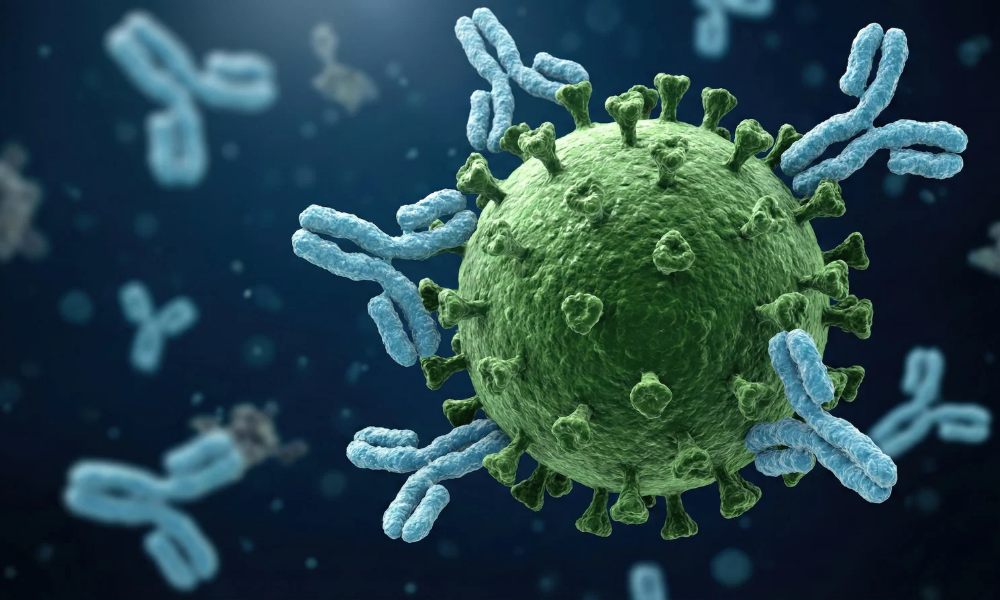
Vaccination for pets is a process that is used for stimulating the immunity of the animal’s body against specific diseases. There are main types of vaccines and their functions. I’m not going to talk about the basic theory parts as I discussed them in my previous article.
The simple thing that you should know is vaccines contain ‘antigens’. Antigens are parts or the whole of infectious agents which cause these infectious diseases. Sometimes you may think, “what’s that joke? Even before the infectious agent comes to us, why do we insert it into our body by ourselves in full sponsorship?” Actually, I can explain that to you in this way. Think that you have an enemy who you totally don’t know. I mean, you don’t know about the nature of him, his skills, his weapons, his weak points, and how to stop him. It’s a very dangerous thing, and a sudden attack from him may cause fatal damage. Now think you know about your enemy—his skills, his weapons, his weak points, how to stop him, and mainly he can attack you in the future. So, you have time to prepare. His attack will not be unexpected. You can face it, and you can win with your great preparation. This is also like that. By exposing the body to the antigens of infectious agents, the body will prepare with its army, which we call ‘immunity’. When some immune cells in the body detect these antigens, they tell the B-lymphocytes, which are immune cells in the body that produce antibodies by differentiating into plasma cells.
If you are new to this knowledge, I would like to explain to you about antibodies in pets simply. Antibodies are proteinaceous structures that recognize, bind, and neutralize these antigens. By inserting a pet vaccine, we expect to produce these antibodies against the specific disease that we need to stop. By that, the animal will survive, even if it is exposed to the disease.
This is the simplest explanation about the function of vaccines in the body and the reason why they are needed to prevent diseases.If you need to know the story behind anything that I mentioned above or something that needs clarification, contact me through our email section.
Common Questions About Pet Vaccination

Before going to our main topic today, I know you may have common or uncommon questions about this interesting topic. So, I thought to answer the most common questions that come to me and that you search mostly on Google for pet vaccination, with my next article as a Q & A. I will also cover all of your most curious questions in separate articles. Otherwise, this may be boring to you with heavy bulk. An interesting thing is that there were some questions that I had when I learned about these topics. That’s for common questions. For next-level interesting questions, confusions, or anything that you would like to share with me about this interesting topic, use our email section.
Why Vaccines Are Important for Cats and Dogs ?
Not only pet owners but also public health authorities are interested and concerned about these vaccines due to the health risk from some fatal diseases to both animals and humans. So, knowing about essential vaccines for cats and dogs is very important to anyone who is concerned about their own, family, and global health.
Key Considerations for Effective Pet Vaccination
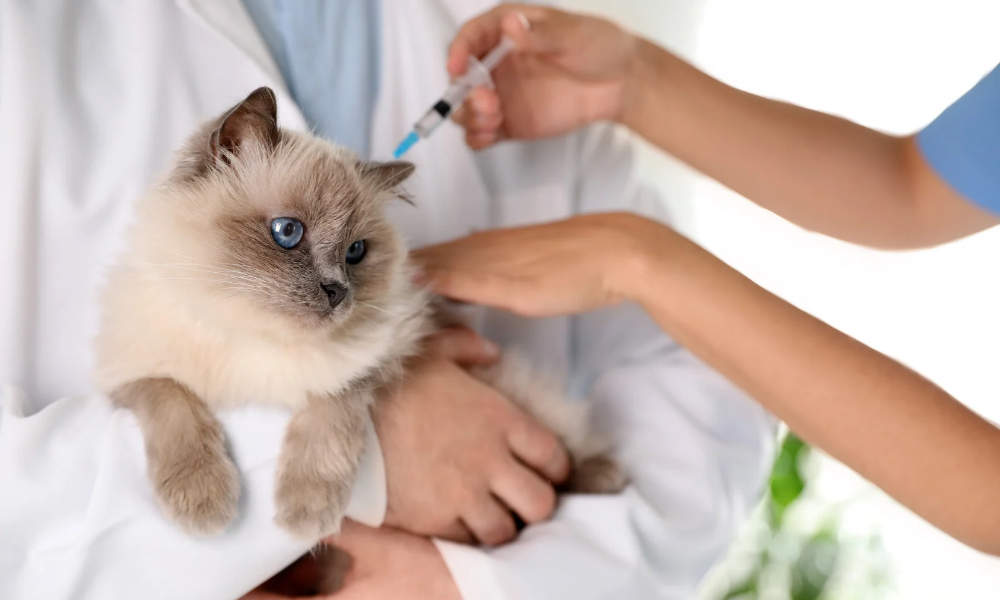
When we consider vaccination, there are main common things that we should consider to get its total expected result. I thought to share them with you before any confusions or failure of the vaccination. I will present them in point form for further consideration.
- Vaccination should start at the most suitable time, not before or after. (I will explain the common pet vaccination schedules and the considerations that are done in changing vaccination schedules later.)
- Booster vaccination should be done at the scheduled date/proper interval. (Booster vaccination means the vaccination that is done at a proper interval after the first pet vaccine with the same vaccine.)
- The animal should be in good health condition before vaccination. (Simply, the animal should not have fever, lethargy, anorexia, or other abnormal behaviors.)
- Discuss with your veterinarian just before making the vaccination schedule. (Sometimes your veterinarian misses some essential non-core vaccines due to lack of explanation from you about common animal diseases in your area or the lifestyle of your dog (outdoor or indoor), exposure to other animals, etc.)
- Sometimes if you have to carry a vaccine from outside, you should consider its temperature, handling, and storage. (Simply, if you fail to keep the vaccine at its relevant temperature, the vaccine becomes useless.)
These are the most important things that you should follow with pet vaccination.
Vaccination Schedules for Dogs and Cats

Before going to the Dog & Cat Vaccination part, I should mention something that is confusing for most pet owners. These pet vaccination schedules can vary due to your area and your veterinarian. I explain a common vaccination schedule for dogs and cats that most use globally. Another thing is that the modern world mostly uses combined vaccines rather than separate vaccines for specific diseases. Sometimes in your area or by your vet, separate vaccines may be used for some diseases instead of combined vaccines. It’s okay; the number of vaccines may differ. Both are okay under different conditions.
Dog Vaccination Guide: Core and Non-Core Vaccines
1) DHPP (Core Puppy Shots)
Give protection against:
Distemper, Hepatitis, Parvovirus, Parainfluenza
When to give:
Start at 6–8 weeks, then every 3–4 weeks until 16 weeks
Booster:
Yearly or as recommended by your vet
Why it’s important:
This vaccine provides protection from four fatal diseases that are often deadly in puppies. Early dog vaccination is life-saving.
2) Rabies Vaccine
Give protection against:
Rabies virus (fatal to dogs and humans)
When to give:
Typically 12–16 weeks, then a booster after 1 year, then every 1–3 years depending on local laws
Why it’s important:
Rabies is universally fatal—vaccination protects your dog and family.
3) Lifestyle / Non-Core Vaccines
Examples:
Bordetella (Kennel cough), Leptospirosis
When to give:
Based on your dog’s environment and lifestyle
Why it’s important:
Prevents diseases your dog may be exposed to due to outdoor activities, boarding, or travel.
Special note:
These vaccines vary according to your local area and animal-to-animal exposure. In selecting these vaccines, you should get support from your vet. You should provide all the information about the lifestyle of your animal and the most common local diseases affecting dogs in your area. Then your vet will decide what to do.
Cat Vaccination Guide: Core and Lifestyle Vaccines
1) FVRCP (Core Kitten Shots)
Give protection against:
Feline Viral Rhinotracheitis, Calicivirus, Panleukopenia
When to give:
Start at 6–8 weeks, then every 3–4 weeks until 16 weeks
Booster:
Yearly or as recommended by your vet
Why it’s important:
These viral diseases can be fatal for kittens. Early cat vaccination is essential.
2) Rabies Vaccine
Give protection against:
Rabies virus
When to give:
Usually 12–16 weeks, then a booster 1 year later, then every 1–3 years depending on local regulations
Why it’s important:
Protects your cat and household from rabies.
4) Lifestyle / Non-Core Vaccines
Examples:
Feline Leukemia Virus (FeLV)
When to give:
Recommended for outdoor cats or multi-cat households
Why it’s important:
Protects against infections that spread in high-risk environments.
Special note:
Follow your veterinarian’s advice to choose these vaccines. Give correct and complete information about the lifestyle, environment of your cat, and the most common cat diseases in your area. Then your vet will decide which vaccines are needed.
Tips to Keep Your Pet Vaccination Schedule
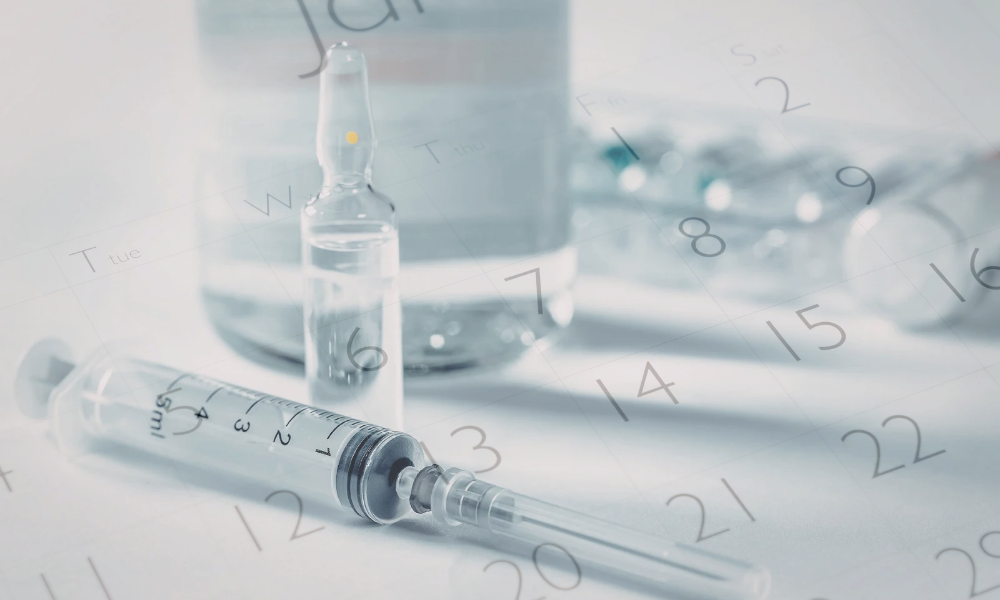
- Do not think pet vaccination is unnecessary. This is the most common mistake many pet owners make. Consider it an investment—it may save your pet and your money for future treatment.
- Do not miss booster vaccines. If you miss booster vaccines, the full effect cannot be gained. It may cause the whole vaccination process to fail.
- Maintain a vaccine calendar and follow your vet’s schedule. This will work as a reminder and help you immunize your pet properly.
- Keep records of all cat and dog vaccinations. This is very important; it will help in diagnosing diseases, serve as clear evidence of vaccination, and may be required in legal cases or migration.
- Discuss lifestyle and risk factors with your veterinarian to determine non-core vaccines. I explained how this is important.
Post-Vaccination Care for Dogs and Cats
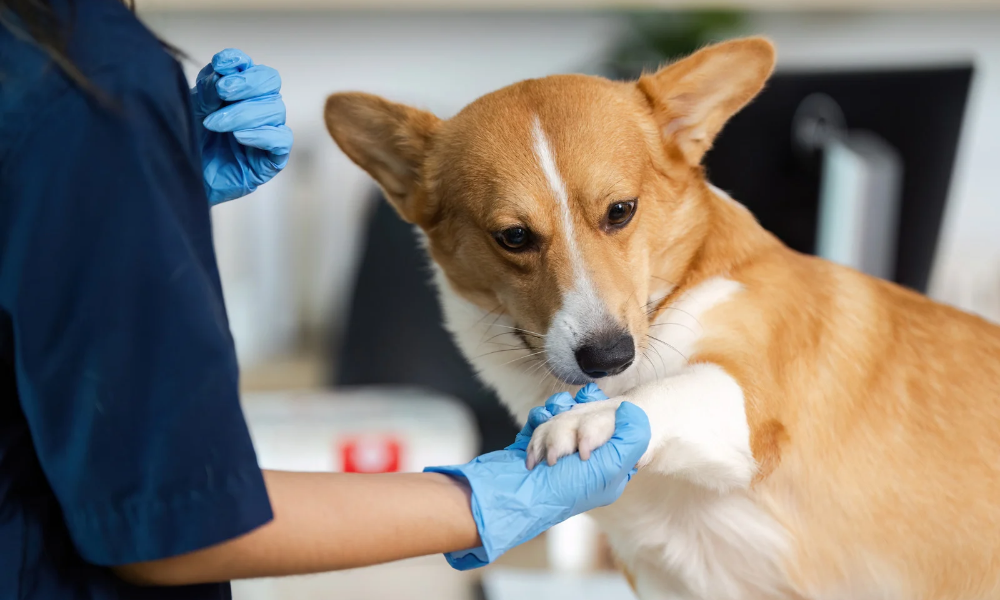
Post-vaccination care is also very important to get the full effect of vaccination. Ignoring it may cause vaccination failure or adverse effects.
- Keep your pet under observation for 15–30 minutes after vaccination. Watch for immediate allergic reactions such as facial swelling, hives, vomiting or diarrhea, difficulty breathing, or wheezing. If you see severe reactions, contact your vet immediately.
- Keep your pet calm and relaxed for the first 24–48 hours.
- Do not bathe your pet for 2–3 days after vaccination. Avoid rubbing or massaging the injection site.
- Check the injection site for any abnormalities.
- Monitor for side effects. Mild reactions may include slight fever, mild lethargy, sleepiness, loss of appetite, or swelling at the injection site. Serious reactions may include severe vomiting or diarrhea, facial swelling, hives, breathing difficulty, collapse, or severe lethargy. If serious reactions occur, or if mild reactions progress, immediately contact your vet.Record any adverse reactions to report at future vaccinations and treatments.
- Offer small, light meals if appetite is reduced and ensure fresh water is always available.
- Avoid new foods or treats immediately after vaccination.
- Keep your pet in a stress-free environment for 1–2 days.
Final Thoughts
I’m sure if you read this full article, you now have a clear understanding about vaccination for pets and cat & dog vaccination. Vaccination is a life-saving medical tool. Trust its effect and do your duty as a loving pet parent or pet lover.
Do not forget to share this article with other pet lovers and pet parents you know. Even sharing small information can save the life of an innocent pet.