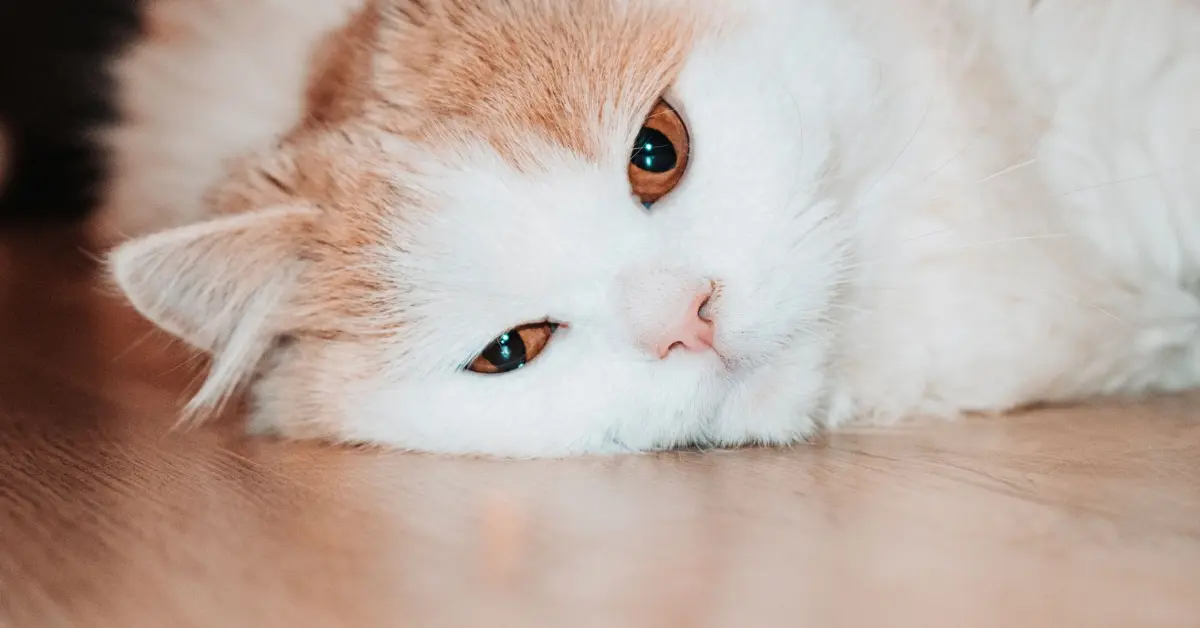
What if your cat is dehydrated right now — and you have no idea?
No dramatic symptoms. No obvious distress. Just a cat who seems a little quieter today, maybe less interested in their water bowl, maybe just… not quite themselves. It’s easy to miss. And that’s exactly what makes dehydration in cats so tricky — by the time it becomes obvious, it’s often already serious.
Here’s everything you need to know, laid out simply.
Why Cats Are So Easy to Catch Off Guard ?
Cats are descended from desert animals. Their natural thirst drive is low — they’re wired to get most of their water from prey, not from a bowl. This means many cats simply don’t drink enough on their own, especially those eating dry food.
Water actually makes up 60 to 70 percent of your cat’s body weight. So even mild fluid loss starts quietly affecting how their organs work — long before you’d notice anything on the outside.
How Much Should Your Cat Actually Be Drinking?
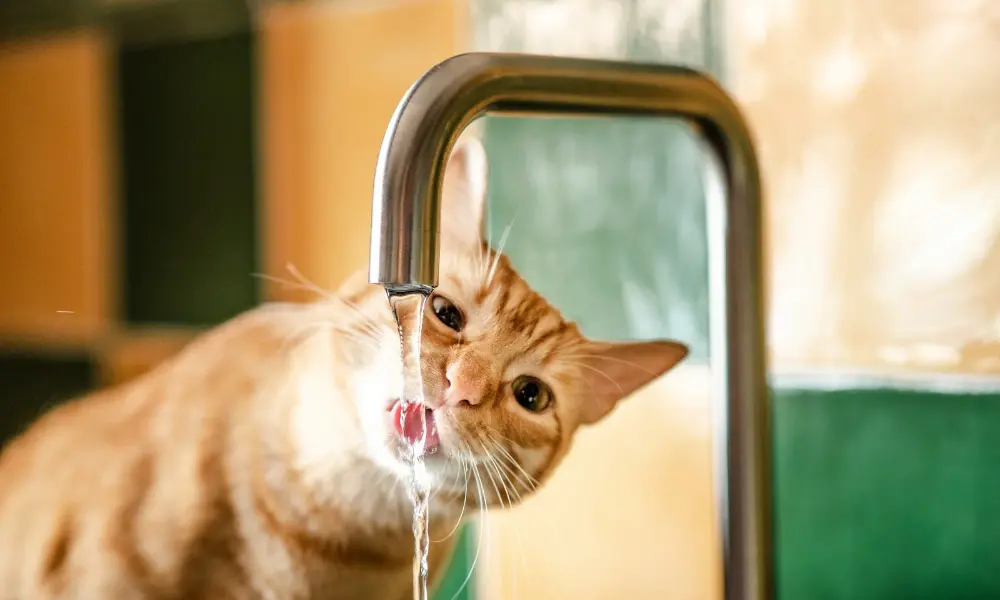
According to the Cornell Feline Health Center, cats need about 4 ounces of water per 5 pounds of body weight each day. For the average 10-pound cat, that’s roughly one cup of water daily — from all sources combined.
Cats eating wet food get a big chunk of that through their meals since wet food contains up to 80% water. Cats on dry food need to drink significantly more from their bowl to make up the difference.
Signs Your Cat Is Dehydrated — Check These at Home
This is the part that matters most. Here are the signs to look for:
The Skin Tent Test
Gently pinch the skin between your cat’s shoulder blades, lift it slightly, then let go. In a well-hydrated cat, it snaps back immediately. If it falls back slowly — or stays tented — your cat is likely dehydrated. If it barely moves at all, that’s severe.
Check the Gums
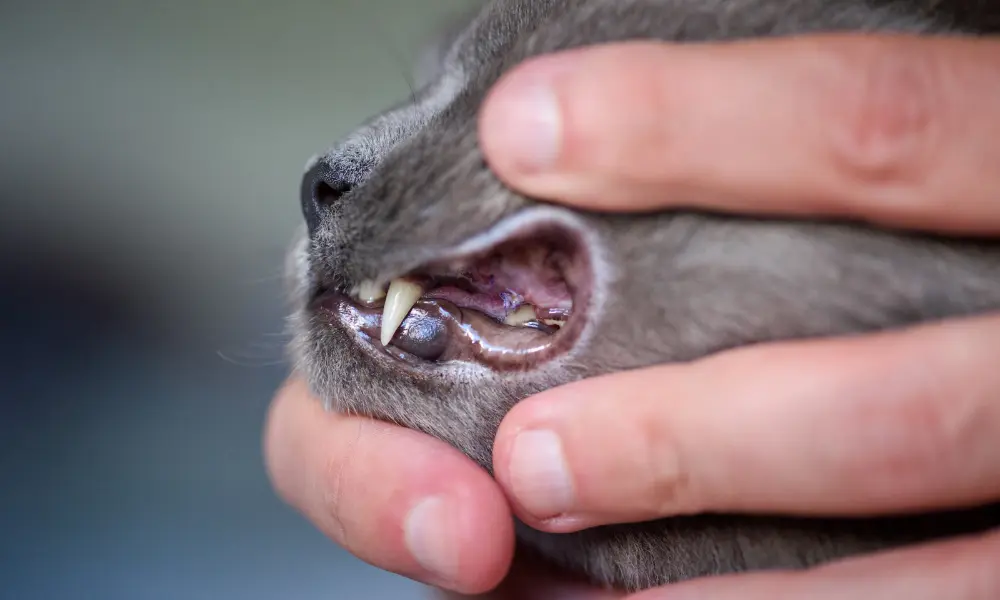
Press lightly on your cat’s gum with your finger, then release. The colour should return from white to pink within 2 seconds. If it takes longer, or the gums feel sticky, dry, or look cherry red — those are red flags.
Other signs a cat is dehydrated:
- Eyes that look sunken or dull
- Lethargy — moving slowly, sleeping more than usual
- Dry or rough-feeling coat
- Constipation or noticeably fewer litter box visits
- Hiding more than usual
- Loss of appetite alongside reduced drinking
What’s Actually Causing It?
A cat is dehydrated for more reasons than just “not drinking enough.” The most common causes include:
- Vomiting or diarrhea — fluid loss happens fast with both
- Kidney disease, diabetes, or hyperthyroidism — all cause increased water loss
- Fever or illness making them too weak to reach the bowl
- Hot or dry indoor air
- A water bowl they simply don’t like — wrong location, plastic smell, or sitting next to the litter box
- In multi-cat homes, a dominant cat blocking access to the water source
What NOT to Do
Please don’t force water into your cat’s mouth using a dropper or syringe. It sounds helpful, but a weak or distressed cat can inhale the liquid — which creates a whole new emergency. If your cat won’t drink on their own, that’s your cue to call the vet, not to intervene at home.
When to Call the Vet
Any cat that has not had water in over 24 hours, or has been vomiting or having diarrhea for over 24 hours — even if still drinking — should be seen urgently.
Go sooner if your cat is dehydrated AND showing:
- Skin that doesn’t snap back at all
- Pale, yellow, or very dry gums
- Extreme weakness or inability to stand
- Open-mouth breathing
- Complete loss of appetite alongside hiding
Your vet will likely run blood and urine tests to find the underlying cause, since a cat being dehydrated is usually a symptom of something else going on.
Treatment ranges from subcutaneous fluids — given just under the skin as a quick outpatient procedure — to IV fluids for more severe cases. Both work well, and most cats bounce back beautifully when caught in time.
Simple Ways to Keep Your Cat Hydrated
- Switch to wet food or add water to dry kibble — this single change makes a huge difference
- Place water bowls in multiple spots around the house, away from food and the litter box
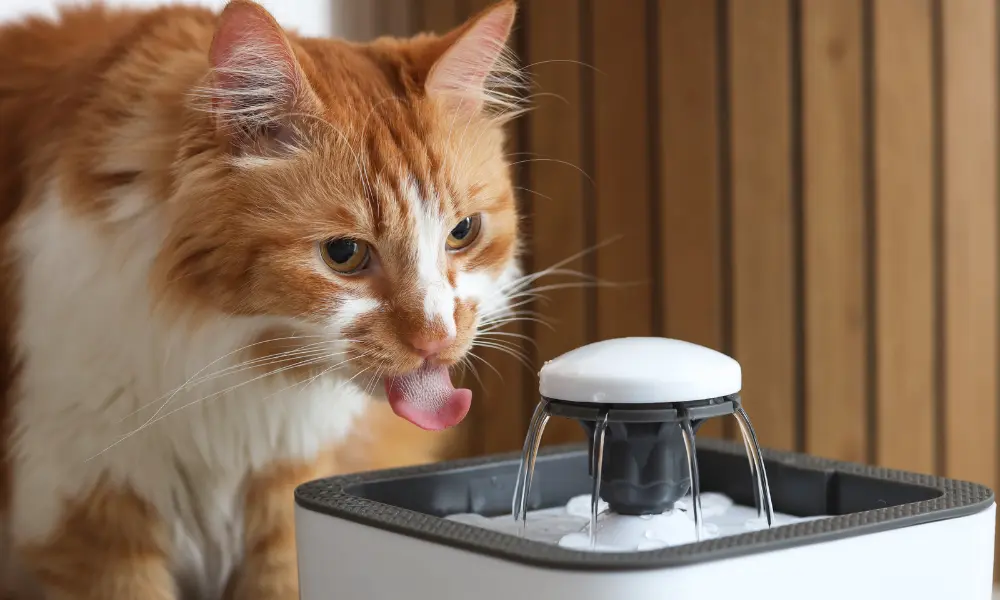
- Try a water fountain — many cats prefer moving water over still
- Change the water daily and use ceramic or stainless steel bowls, not plastic
- Add a small splash of plain tuna water or low-sodium chicken broth to encourage drinking
- In warm weather, drop a few ice cubes in the bowl
You’re Already Ahead of the Problem
The fact that you’re reading this means you’re paying attention — and that’s everything. A cat who is dehydrated doesn’t always cry out or act dramatically unwell. They just quietly fade a little. But you noticed. Now you know what to look for, what to test at home, and when to make that call.
Go check their water bowl. And trust your gut — it’s usually right.
Read More :
Cat Not Eating: Reasons and What You Should Do Immediately
How to Tell If Your Pet Is in Pain: The Complete Vet Guide for Dogs and Cats
Dog Allergies & Itching: The Complete 2026 Treatment Guide (Including the New Befrena Injection)
What to Do in a Pet Emergency: A Vet’s Step-by-Step Guide
Why Does My Dog Eat Grass? — Causes, Risks & How to Prevent It