
What if your dog is sick — and they’re doing everything they can to hide it from you?
No dramatic collapse. No obvious crying. Just a dog who skipped breakfast, seems a little slower on the walk, or keeps glancing at their belly. That quiet, unsettled feeling you get as an owner? It’s usually right. And the earlier you act on it, the better things go.
Here’s what to watch for — explained simply, sign by sign.
Why Dogs Hide It So Well ?
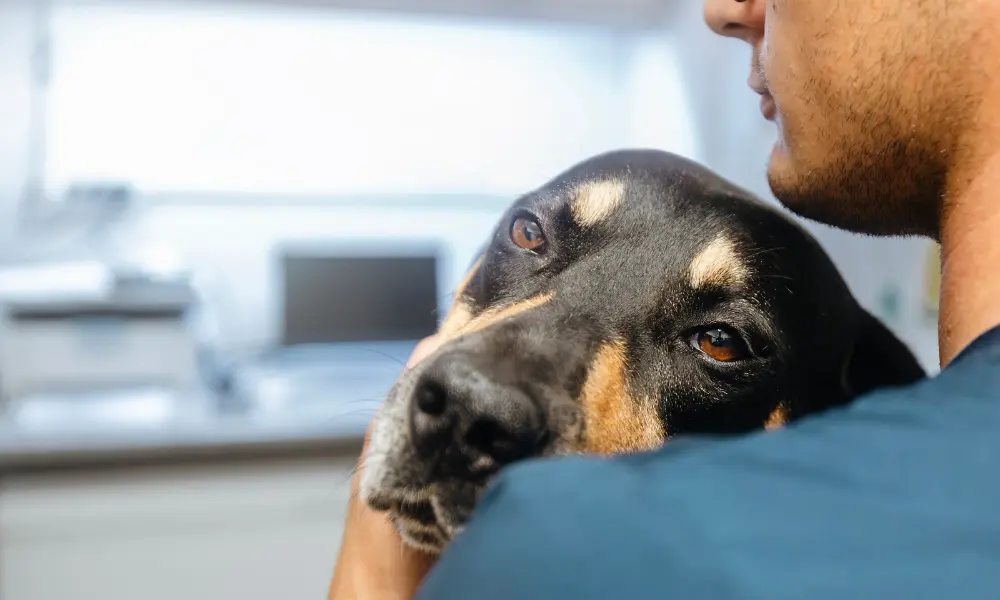
Dogs are wired to mask weakness. It goes back thousands of years — in the wild, showing vulnerability meant danger. So even when your dog is sick and genuinely struggling, their instinct is to keep going, keep wagging, keep showing up at the bowl.
Although they can’t speak in words, their behavior gives us important clues as to how they’re feeling — and spotting those clues early is the whole game.
The 10 Signs Your Dog Is Sick

1)Not eating — or suddenly eating too much
- Skipping one meal on a hot day is usually fine
- Refusing food for more than 24 hours needs attention
- Sudden increase in hunger can signal diabetes or parasites
2)Vomiting or diarrhea
- Once, acting normal → watch and wait
- Repeatedly, or can’t keep water down → call your vet
- Blood in either → call your vet today, don’t wait
3)Unusual tiredness or lethargy
- Every dog has quiet days — this is different
- A dog who won’t get up for their walk, ignores their favourite toy, or barely lifts their head when you come home is telling you something
- Lethargy plus any other sign on this list = same-day vet call
4)Drinking more or less than usual
- Too much water, too much urination → possible kidney disease, diabetes, or Cushing’s disease
- Too little drinking → often pain, nausea, or dental discomfort
- Start watching the water bowl more closely
5)Bathroom changes
- Straining to urinate, especially in male dogs → can be an emergency
- Blood in urine or stool → call your vet today
- Accidents indoors in a house-trained dog → pain, infection, or neurological changes
6)Breathing that doesn’t look right
- Laboured breathing, mouth open at rest, persistent honking cough
- Blue, grey, or white gums alongside breathing trouble → emergency vet, right now
7)Behaviour shifts
- Withdrawal, sudden aggression, confusion, or extreme clingyness in a normally steady dog
- Snapping when touched in one specific area → localized pain
- According to the American Kennel Club, behaviour is often the first thing that changes when a dog is sick — long before any physical symptoms appear
8)Physical changes on the body
- New lumps, bumps, or swellings — even small ones deserve a vet check
- Excessive licking of one area, hair loss, or raw patches on the skin
- Pale, yellow, or white gums instead of healthy pink → always a red flag
9)Weight changes without explanation
- Gradual weight loss despite eating well → worth investigating for thyroid issues, cancer, or parasites
- Weigh your dog monthly — it’s the easiest way to catch slow changes
10)Swollen or hard belly — the one that can’t wait
This one deserves extra attention. A visibly distended abdomen, combined with unproductive retching — trying to vomit but nothing coming up — and restless pacing after eating are the classic signs of bloat, also known as GDV.
According to the American Animal Hospital Association (AAHA), without emergency surgery, a dog with GDV can die within one to six hours. It is never safe to wait and see with suspected bloat.
If you see this, don’t call around. Drive to an emergency vet immediately.
Go Now or Call Tomorrow?
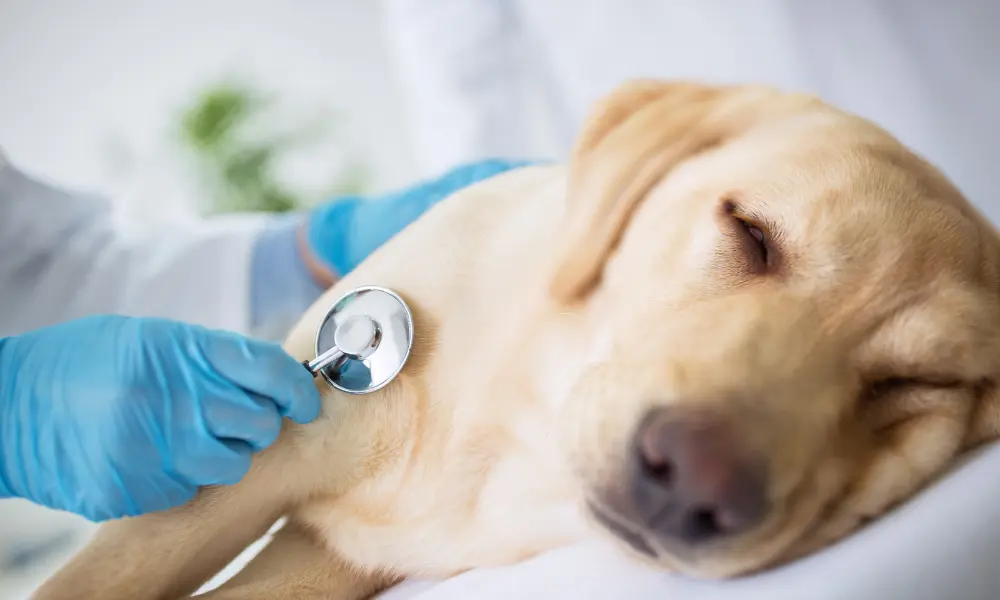
Go to an emergency vet immediately:
- Swollen belly with unproductive retching
- Pale, white, grey, or blue gums
- Collapse or can’t stand
- Seizures
- Cannot urinate at all
- Suspected poisoning
Call your vet the same day:
- Vomiting or diarrhea lasting more than 24 hours
- Lethargy combined with any other symptom
- Blood in urine or stool
- Sudden unexplained behaviour change
Schedule an appointment soon:
- Mild symptoms that have lasted more than 48 hours
- New lump or skin change
- Gradual weight loss you’ve noticed over weeks
One Thing That Helps Your Vet Most
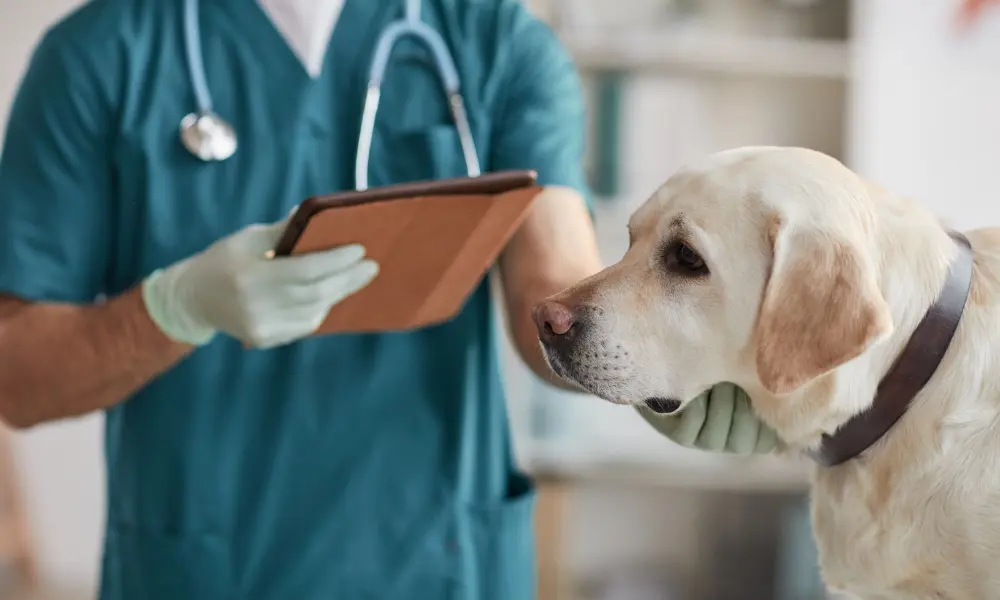
Before you go in — write down what you noticed, when it started, and how often it’s happening. Take a short video if you can. Dogs often perform perfectly fine at the clinic, and the observations you make at home are honestly the most useful information we have.
Trust That Feeling

The owners who catch things early are almost always the ones who trusted a quiet, nagging instinct that something wasn’t quite right. You know your dog. You know their energy, their appetite, their personality.
When your dog is sick, they’re counting on that knowledge — and on you to act on it. Don’t second-guess yourself. Make the call.
Read More :
How to Tell If Your Pet Is in Pain: The Complete Vet Guide for Dogs and Cats
What to Do in a Pet Emergency: A Vet’s Step-by-Step Guide
Dog Allergies & Itching: The Complete 2026 Treatment Guide (Including the New Befrena Injection)
Separation Anxiety in Dogs: Causes, Signs & What Actually Works