Vaccination is a strong assest of preventive veterinary medicine. Whether you are a new pet owner or an experienced pet owner, vaccination information is relevant to keep your pet and community healthy. By this article I try to carry you through the fundamentals of animal vaccination.
1. What Is Vaccination?

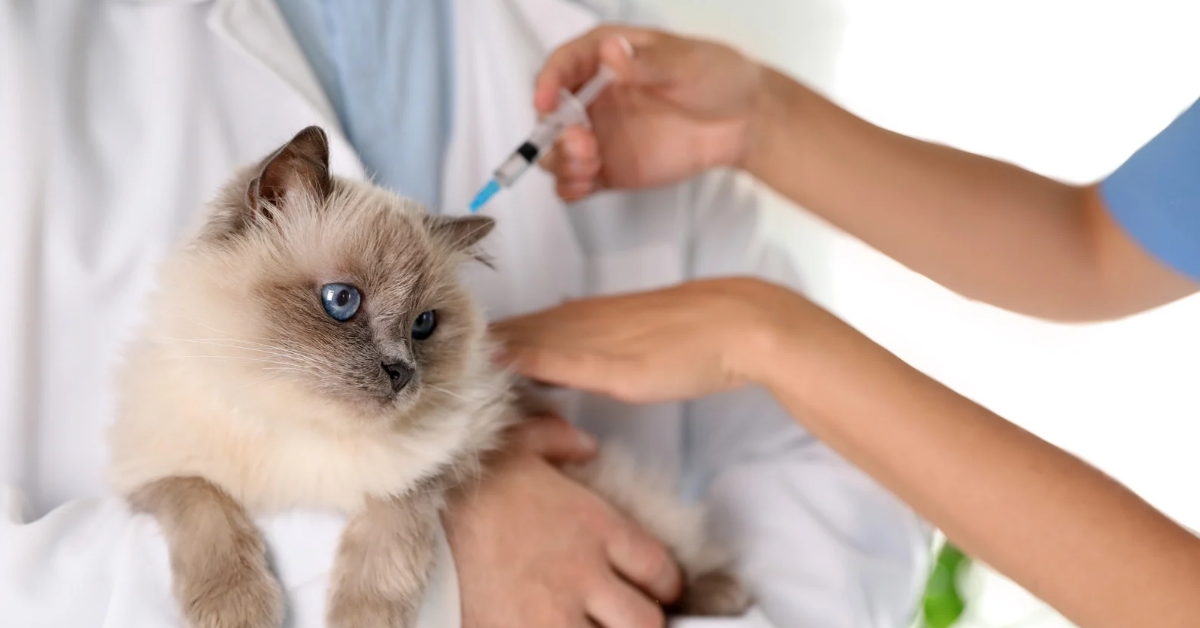
Vaccination is the process of triggering an animal’s immune system to protect the body against infectious diseases. Vaccination is achieved by administering a vaccine, which is a biological agent containing antigens, that conditions the immune system to recognize and protect against a specific pathogen in the event of future exposure.
2. Why Vaccination Is Important ?

Vaccination helps:
- Prevent fatal diseases such as rabies, parvovirus, or feline panleukopenia.
- Reduce the transmission of diseases between animals and humans ( when the disease is zoonotic).
- Support for the herd immunity, specially in shelters and multi-pet households.
- Fill one of the most important legal requirements, specially for licensure or travel.
- Preventative care with vaccines often saves lives and saves your money on future care.
3. Vaccine Types

Vaccines can be divided based on how they’re prepared:
- Modified Live Vaccines (MLV): Contain weakened versions of a pathogen.
- Killed (Inactivated) Vaccines: Contain dead forms of the pathogen.
- Subunit/Conjugate Vaccines: Contain components of the pathogen (such as proteins).
- Recombinant Vaccines: Create antigens by using genetic technology.
- Toxoid Vaccines: Induce immunity against bacterial toxins (e.g., tetanus).
Each has specific applications, benefits, and considerations.
4. Core vs Non-Core Vaccines

Vaccines are further divided into:
Core Vaccines: Mandatory for all animals regardless of location or lifestyle.
- Dogs: Rabies, Distemper, Parvovirus, Adenovirus
- Cats: Rabies, Feline Panleukopenia, Herpesvirus, Calicivirus
Non-Core Vaccines: Give by considering individual risk and exposure basis.
- Dogs: Bordetella, Leptospirosis, Lyme
- Cats: Feline Leukemia Virus (FeLV), Chlamydia felis
Required non-core vaccines are determined by a veterinarian, based on lifestyle, travel, and environment.
5. How Basically Vaccines Work

Vaccines introduce harmless antigens into the body. The immune system reacts to that antigens by producing specific antibodies and memory cells. When the real pathogen enters the body at a later time, the immune system recognizes and neutralizes it rapidly. By this process illness is prevented.
6. Vaccine Safety and Side Effects

Most animals don’t have a lot of issues with vaccines, but some mild side effects can be:
- Temporary fever
- Soreness at injection site
- Lethargy
- Minor swelling
Severe adverse reactions (allergic type) are rare but possible. It’s very important to keep your pet closely monitored after vaccination and talk to your veterinarian if something unusual occurs or observes.
7. Special Considerations

Certain pets will require special considerations:
- Puppies/kittens: Vaccinate from 6–8 weeks with boosters to 16 weeks.
- Senior pets: Possible of requiring modified schedule. (According to your veterinarian’s advice)
- Immunocompromised animals: Possibly require altered or deferred vaccinations.
- Pregnant animals: Live vaccines are usually avoided.
8. Legal and Regional Requirements

Certain vaccines (specially rabies) are mandated in most jurisdictions. These regulations are vary depend on region, state or country. Furthermore, vaccination is mandatory for:
- Pet traveling (domestic and international)
- Boarding or day-care facilities
- Dog licensing and public health registration
So, always keep yourself updated on your region’s veterinary regulations.
9. Myths vs Facts

Let’s remove some typical myths in the society:
❌ Myth: “Natural immunity is superior to vaccines.”
✅ Fact: Natural infection can be fatal; vaccines offer safer immunity.
❌ Myth: “Indoor pets don’t need vaccines.”
✅ Fact: Indoor pets can still be subjected to indirect exposure or emergencies.
❌ Myth: “Vaccines cause the disease they prevent.”
✅ Fact: Licensed vaccines won’t cause disease when administered properly.
10. Maintaining Records

Maintaining current records of vaccinations is crucial for:
- Travel and legal adherence
- Emergency treatment
- Continuous veterinary observation
Request a vaccination record from your veterinarian or keep a computerized pet health record.
11. Role of Pet Owner

As the pet owner you are the most responsible one who should take proper actions to save your animal from infectious diseases.
Your role is:
- Following your vet’s suggested vaccine schedule
- Following booster visits
- Checking for side effects
- Keeping vaccination records up to date
Being proactive ensures a longer, healthier life for your pet.
12. Veterinarian Role

Veterinarians:
- Assess individual risk and lifestyle
- Create personalized vaccine plans
- Vaccinate safely
- Educate and inform owners
Always need to consult with a licensed veterinarian before making vaccination decisions.
Final Thoughts
Vaccination is more than a medical procedure — it’s an investment in your pet’s lifetime health and well-being. Knowing the science, safety, and timing of vaccination empowers you to make informed decisions and keep your furry friends safe from preventable disease.