Spotted a scratch on your pup and suddenly you’re worried about screwworm in dogs? We hear you. Since this parasite returned to the U.S., it’s one of the questions we get most. Let’s walk through it together, step by step.
What Is Screwworm, Really?
Screwworm is the larval stage of a parasitic fly, and its larvae feed on living tissue. Even a small wound, like a tick bite or a hot spot, can be an entry point. Within three days, hundreds or even thousands of larvae may be present. That’s why early action matters with screwworm in dogs.
Should You Be Worried?
Alert, yes. Panicked, no. There are now 50 confirmed U.S. cases, 48 in Texas and two in New Mexico. One early case was a dog in Lea County, New Mexico. For most pet dogs, the immediate risk is still relatively low, but travel, rescue or transport work calls for extra care
Signs of Screwworm in Dogs
- A wound that gets worse instead of healing
- A foul smell or bloody discharge
- Visible larvae, creamy white when young
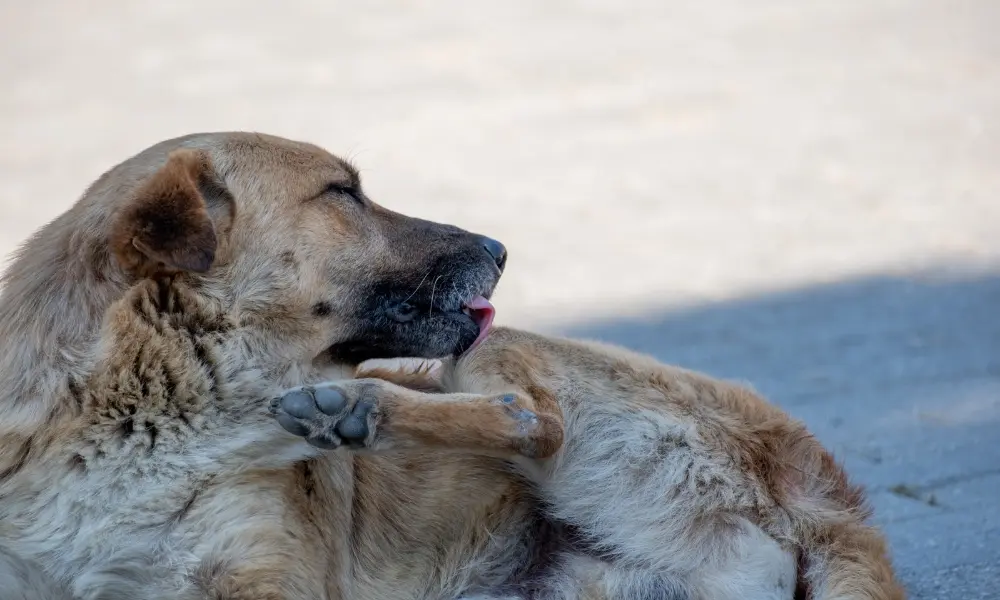
- Constant licking, chewing or scratching at the spot
- Lethargy or loss of appetite
Please check ears, nose and other body openings too. Larvae can hide there.
What to Do Right Away
- Call your vet immediately if a wound is worsening, smells bad or has visible larvae.
- Please don’t try to remove larvae at home, as it can delay treatment.
- Take a photo and note when the wound first appeared.
- Keep your dog calm and away from other pets.
What Your Vet Will Do
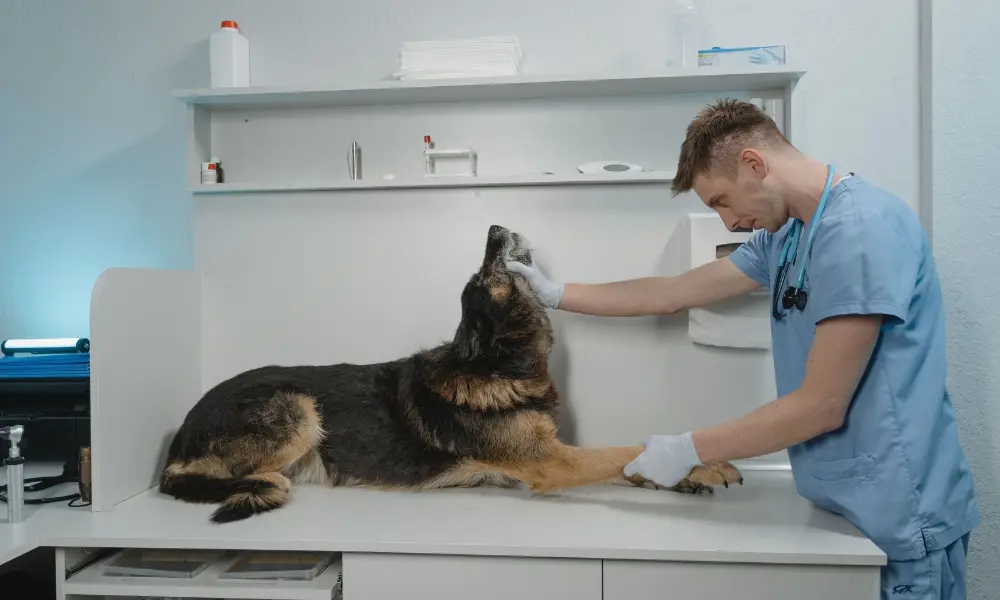
- Remove all visible eggs and larvae
- Provide wound care and pain relief
- Recheck after 24 hours to make sure no live larvae remain
The Capstar News
On Sept. 3, the FDA issued an emergency use authorization for Capstar (nitenpyram) and updated the generic version to cover both prevention and treatment in dogs and cats. The director of the FDA’s veterinary center noted that none of the earlier products were for prevention until now. A few things to know:
- It’s for dogs, puppies, cats and kittens at least 4 weeks old and 2 pounds.
- It kills most larvae within hours, but a vet may still need to remove the rest.
- An emergency authorization is not the same as full approval.
Please talk to your vet before giving anything.
Keeping Your Dog Safe

- Check your dog’s skin daily, especially after outdoor play.
- Clean and cover any small wound promptly.
- Careful attention to wounds and healing is your best protection.
A Warm Word Before You Go
Most dogs will never meet screwworm, and knowing the signs puts you well ahead. If something looks or smells off, trust your gut and call your vet.
READ MORE :
My Dog Is Itchy But Has No Fleas — What’s Really Going On?
Why Is My Dog Licking Their Paws? Here’s What It’s Really Telling You
Why Is My Dog Always Itching? 10 Common Causes and What You Can Do
10 Warning Signs Your Dog Is Sick: When Should You Call a Vet?