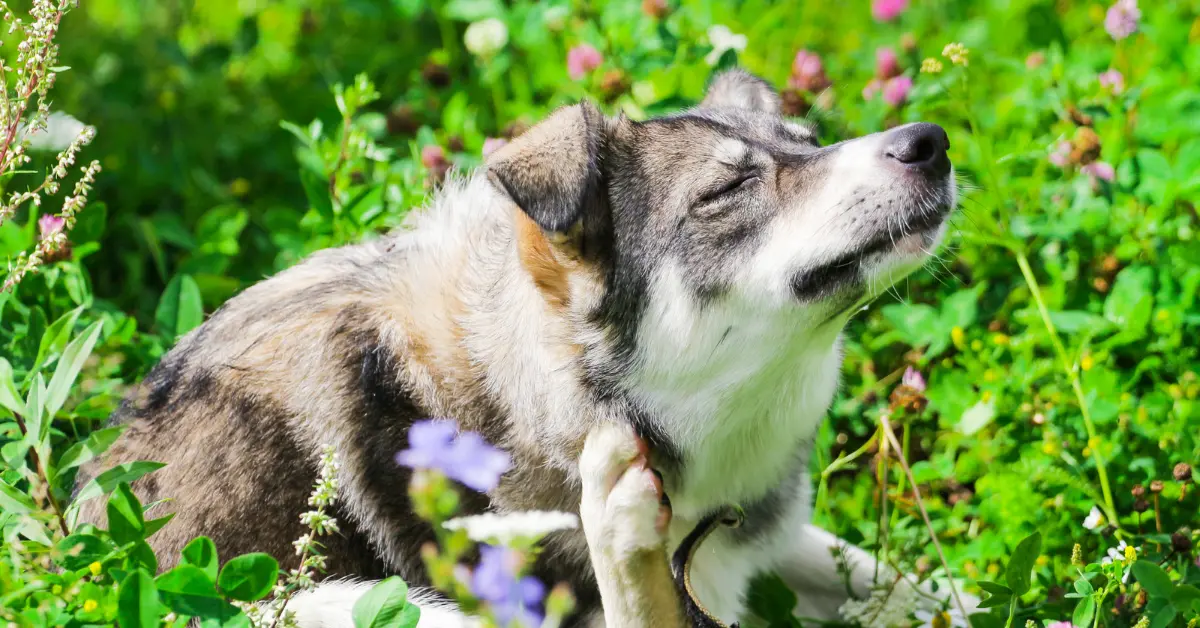
It’s 2am. You hear that familiar jangle of your dog’s collar. Your dog is always itching — scratching, licking, chewing — and you’re lying there wondering how much longer this can go on.
If your dog is always itching, you’re not alone, and you’re not imagining how miserable it looks.
Constant scratching is one of the most common reasons dog owners walk through a vet’s door — and the good news is, there’s almost always a reason we can find and address. The hard part is knowing where to start.
Let’s walk through it together.
First — Why You Shouldn’t Just Wait It Out ?

Here’s something most owners don’t realise. Every time a dog scratches broken skin, bacteria and yeast move in. That creates infection. Infection causes more itching. More itching causes more damage. And before long, what started as one problem has become three layered on top of each other.
A dog always itching isn’t just uncomfortable to watch — it’s a cycle that gets genuinely harder to break the longer it runs.
The 10 Most Common Reasons Your Dog Is Always Itching

1)Fleas and flea allergy
- The number one cause of itching in dogs worldwide
- A single flea bite can trigger days of itching in a sensitive dog — even if you never see a flea
- Classic sign: scratching concentrated around the base of the tail and hind end
- Treating the dog isn’t enough — the home needs treating too
2)Environmental allergies (atopy)
- Pollen, grass, dust mites, mould — things your dog inhales or walks through
- Often seasonal, but can be year-round
- Signs include itchy paws, belly redness, face rubbing, and recurring ear infections
- Bulldogs, German Shepherds, Labradors, and Westies are particularly prone
3)Food allergies
- Beef, chicken, dairy, and wheat are the most common culprits — often proteins they’ve eaten for years
- Unlike environmental allergies, food allergies don’t follow the seasons — they’re constant
- The only reliable way to diagnose this is a strict elimination diet under vet guidance
4)Sarcoptic mange (mites)
- Causes sudden, intense itching — especially around the ears, elbows, and belly
- Highly contagious between dogs, and can temporarily affect humans too
- Mites are often invisible on skin tests, so vets frequently treat based on symptoms and watch for response
5)Bacterial skin infection (pyoderma)
- Usually a secondary problem — starts when allergies or scratching break the skin and bacteria move in
- Signs: red bumps, crusty patches, hair loss, skin that smells off
- According to the American Animal Hospital Association, skin infections often pile on top of the original cause — and treating just the infection without finding the root trigger means it keeps coming back
6)Yeast infection
- That “corn chip” smell from your dog’s paws or ears? That’s yeast
- Thrives in warm, moist areas — skin folds, between toes, ear canals
- Often develops alongside bacterial infections in allergic dogs
7)Contact dermatitis
- A reaction to something touching the skin — lawn chemicals, new shampoo, cleaning products, synthetic fabrics
- Usually shows up on the belly, paws, or chin — the areas with least fur
- Ask yourself: did the itching start after something changed at home?
8)Hot spots
- Raw, weeping patches that appear suddenly — sometimes overnight
- Develop when a dog focuses intense scratching or licking on one area
- Worsen within hours — early treatment really matters here
9)Dry skin
- More common in winter when indoor heating drops humidity
- Signs are flaky, dandruff-like skin and a dull coat — without the redness you’d see with infection
- Omega-3 fatty acids and a gentle moisturising shampoo often help significantly
10)Hormonal imbalances
- Conditions like hypothyroidism or Cushing’s disease weaken the skin’s defences over time
- The itching here usually comes after other signs — weight changes, lethargy, thinning coat, increased drinking
- Diagnosed through blood tests, not skin tests — which is why chronic, treatment-resistant itching always deserves a full work-up
What NOT to Try at Home ?
We understand the impulse to reach for something — anything — to give your dog relief. But a few things are worth knowing:
- Apoquel — a daily tablet that blocks the specific immune signal driving itch. Many dogs feel relief within hours of the first dose
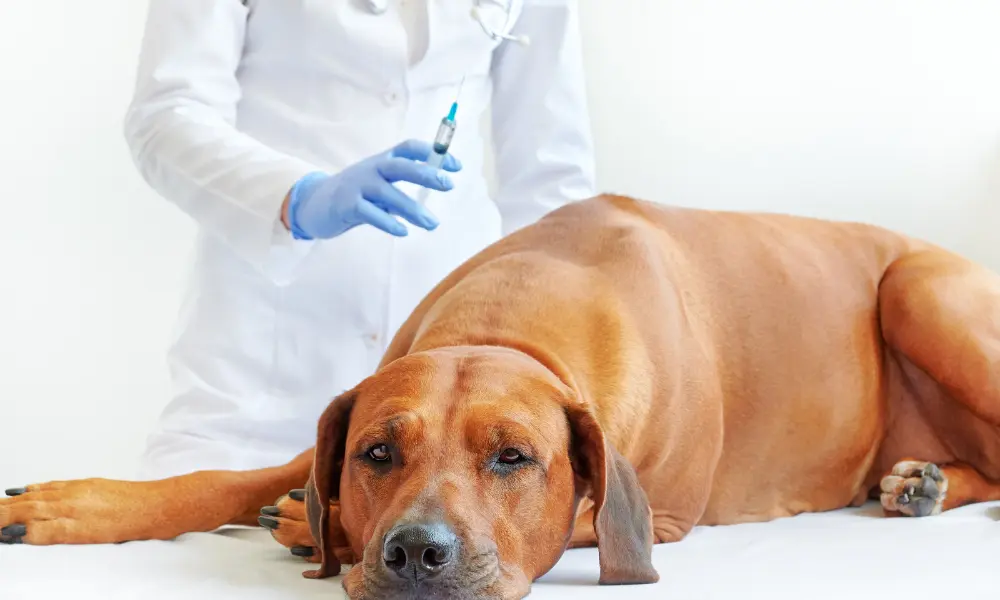
- Cytopoint — an injection every 4–8 weeks targeting the protein that triggers the itch sensation. Works within 24 hours and doesn’t require daily medication
- Allergen immunotherapy — the only approach that works on the underlying cause rather than just managing symptoms. Takes time, but studies show meaningful improvement in around 65% of dogs
- For infections: antibiotics or antifungals alongside treating the root trigger
A Few Things That Help Prevent It
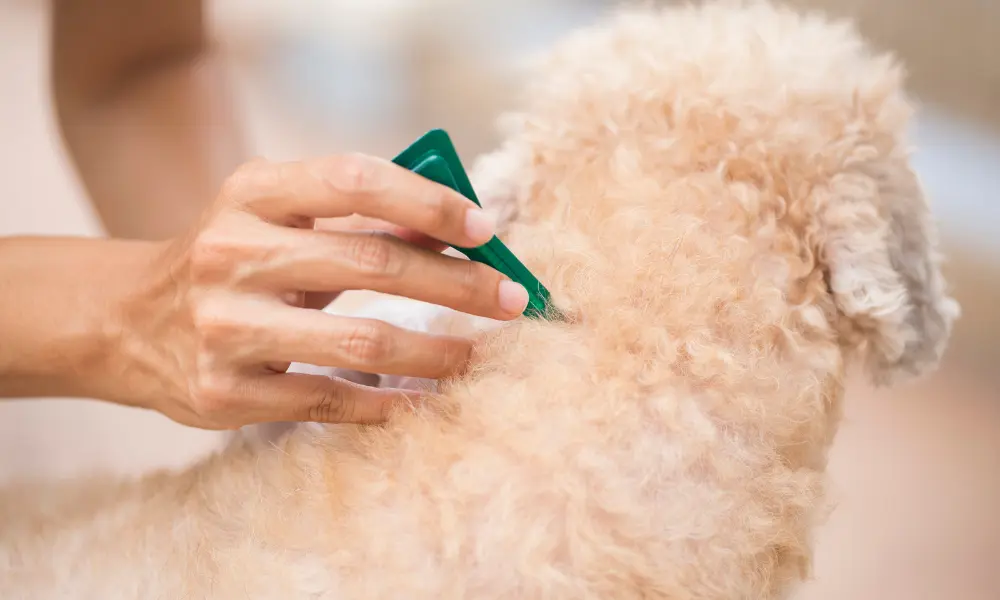
- Year-round flea prevention — the single most impactful step for most itchy dogs
- Wipe paws after walks to remove pollen and grass allergens
- Omega-3 supplements to support the skin barrier from the inside
- Regular gentle baths — not human shampoo
- Keep bedding clean and avoid fragranced cleaning products near where your dog rests
You’re Right to Take This Seriously

A dog always itching is a dog that isn’t comfortable — and they’re counting on you to notice. You already did. Now take the next step and get them the answers they deserve.
The scratching has a reason. Find the reason, and you can actually fix it.
Read More:
10 Warning Signs Your Dog Is Sick: When Should You Call a Vet?
How to Tell If Your Pet Is in Pain: The Complete Vet Guide for Dogs and Cats
Dog Allergies & Itching: The Complete 2026 Treatment Guide (Including the New Befrena Injection)