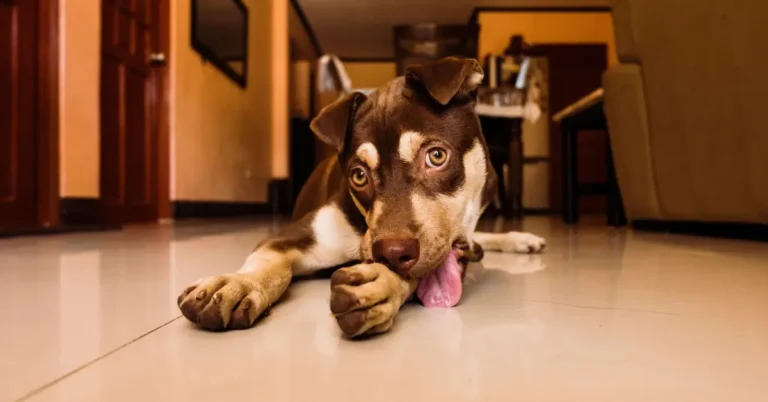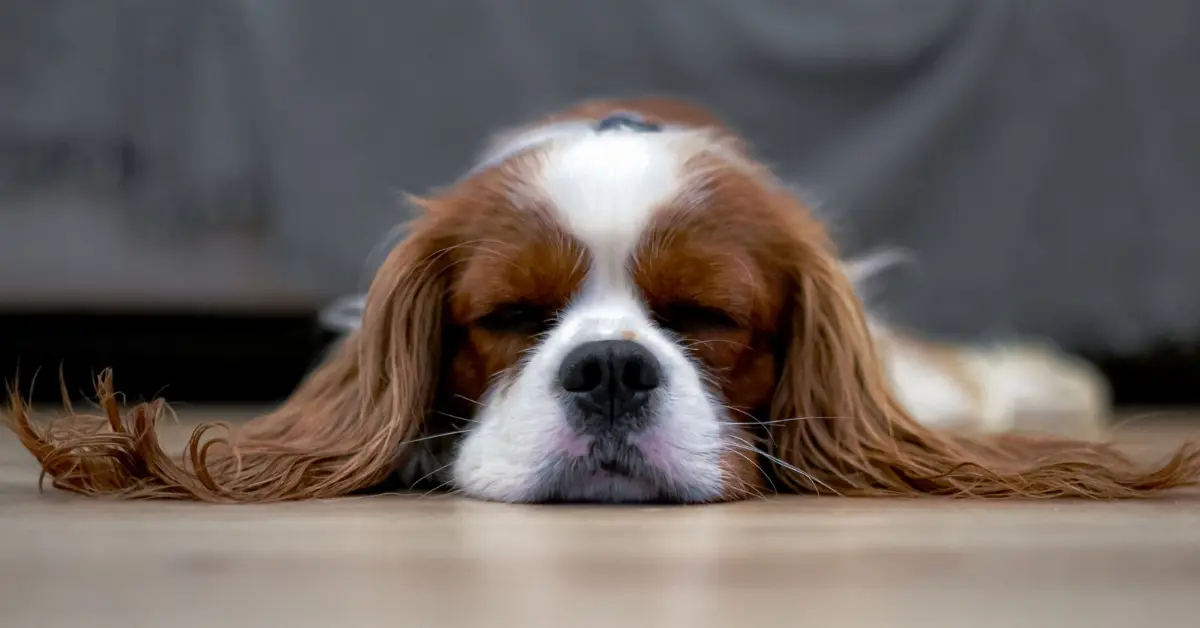
Your dog is suddenly sleeping more — and something about it just doesn’t sit right with you.
Maybe they used to greet you at the door every single time. Now you walk in and they’re still in their bed, barely raising an eyebrow. Maybe they’ve been skipping the morning stretch they always did. Maybe you called their name and it took longer than usual for them to respond.
You can’t quite name what’s different. But you know this dog — and something has shifted.
Here’s what we want you to hear first: a dog suddenly sleeping more isn’t automatically a crisis. But that feeling you have? The one that made you look this up? It’s worth following.
First – Let’s Talk About What Normal Actually Looks Like
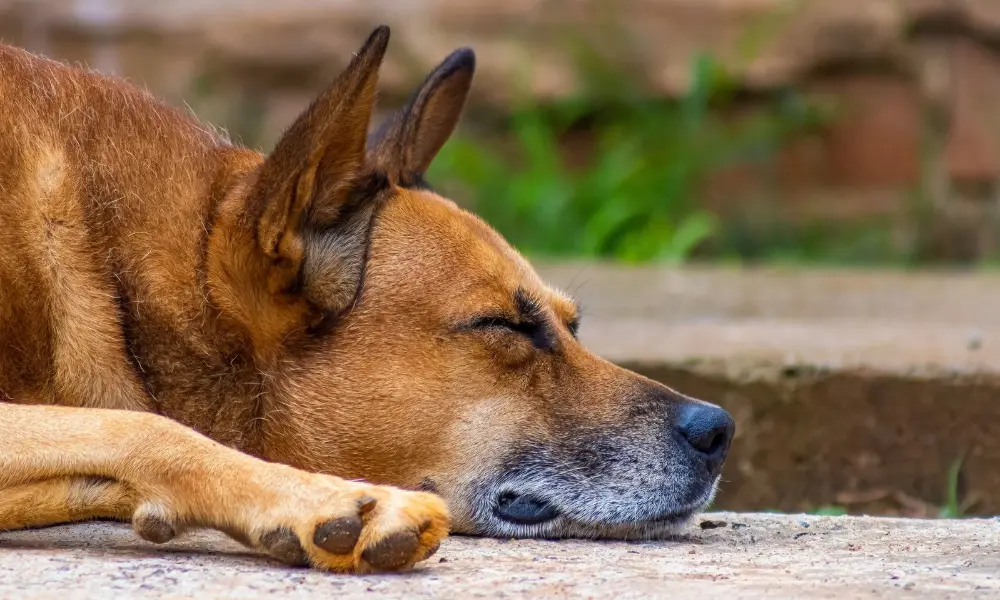
Most owners are genuinely surprised when they find out how much dogs naturally sleep. So before anything else, here’s your baseline:
- Puppies → 18 to 20 hours a day. Not a typo.
- Healthy adult dogs → around 12 to 14 hours daily
- Senior dogs → 14 to 18 hours, often in shorter naps throughout the day
Dogs sleep a lot. Much more than we do. Large breeds like Great Danes sleep more than small ones. Working dogs sleep less than companion dogs. And after a genuinely big day — a long hike, an afternoon at the dog park, a training session — sleeping more the next day is just their body recovering. Completely expected.
The worry isn’t how much they sleep in isolation. It’s when the amount changes suddenly, without an obvious reason and especially when other things start shifting alongside it.
When It’s Probably Nothing to Worry About
Sometimes a dog suddenly sleeping more has the most ordinary explanation:
- They had a big active day and they’re tired — let them rest
- It’s been hot outside and they’ve slowed down — completely normal
- Something changed at home recently — a house move, a new baby, a different routine. Some dogs respond to stress by going quieter and sleeping more until they find their footing again
- The weather turned cold and grey — dogs feel that shift too
- They’re bored — a dog without enough to do will fill their days with napping. This is actually one of the most common reasons we see, and one of the most overlooked
If your dog is sleeping more but wakes up easily, eats their meals, drinks normally, and is basically themselves when they’re up — watch and wait. There’s a good chance you’re okay.
When More Sleep Is Telling You Something Important

Here’s where we need to slow down and be honest with each other.
Pain — especially joint pain
This one gets missed more than almost anything else. A dog in pain rests more because moving hurts. Arthritis creeps in so gradually that owners often think their dog is “just getting older”,when in reality they’re uncomfortable every time they get up. Watch for stiffness in the morning, reluctance to climb stairs, or pulling away when you touch certain spots.
An underactive thyroid
Hypothyroidism slows everything down — energy, metabolism, mood. A dog who has gradually become a different, slower version of themselves — gaining weight, losing coat quality, sleeping more often has this. A single blood test catches it, and treatment is straightforward.
Infections — including tick-borne illness
Sudden fatigue is frequently the very first sign of a bacterial or viral infection — before vomiting, before obvious illness, before anything else dramatic shows up. Tick-borne diseases like Lyme disease and Ehrlichiosis are particularly worth considering if your dog spends time outdoors. The sleep change can arrive days before you’d ever suspect a tick.
Kidney disease, diabetes, or heart disease
All three quietly drain energy as the body works harder to compensate for what isn’t functioning well. Kidney disease and diabetes often bring increased thirst alongside the fatigue. Heart disease sometimes shows up as a soft persistent cough, slightly faster breathing at rest, or a dog who tires on a walk they used to handle easily.
Anemia
Low red blood cells mean less oxygen reaching the muscles. The dog feels genuinely exhausted even without doing anything. Pale, white, or yellowish gums are your signal — press the gum lightly, let go, and check the colour. Pink and moist is what you want. Anything else ,call your vet today.
The dog version of dementia
Canine Cognitive Dysfunction is real and more common than most owners realize. One of its earliest and most distinctive signs is a flip in the sleep-wake cycle — confused and restless through the night, then sleeping heavily through the day.
According to the American Kennel Club, AKC Chief Veterinarian Dr. Jerry Klein explains that “conditions such as canine cognitive dysfunction may cause a change in sleeping patterns — whereas pain, arthritis, kidney disease, hypothyroidism, or heart disease could cause a dog to become more lethargic and sleep more.”
If your senior dog has started wandering at night and crashing during the day, bring it up at your next vet visit. There are things that help.
A new medication
This one is so often overlooked. Some common prescriptions — antihistamines, certain pain medications, anti-anxiety drugs — list increased sleepiness as a known side effect. If the sleep change arrived around the same time as a new prescription, don’t immediately assume something else is wrong. Mention it to your vet first.
There’s One Distinction That Really Matters
Please read this part carefully — because it changes everything about how urgently you need to act.
Sleeping more means your dog rests longer than usual — but when you call their name, they look up. When you rattle the lead, they respond. They eat. They drink. They’re still in there, just quieter.
Lethargy is different. A lethargic dog is genuinely hard to rouse. They seem weak, distant, disconnected — like the lights are dimmer than usual. They lose interest in things that normally bring them to life. They may stop eating or drinking entirely.
Sleeping more — watch carefully. Keep an eye on everything around the sleep.
Lethargy — that’s a same-day vet call. Don’t wait to see if it passes.
When to Pick Up the Phone
Call your vet today if the extra sleep comes with:
- Not eating for more than 24 hours
- Vomiting or diarrhea at the same time
- Pale, white, or yellowish gums
- Genuine weakness — wobbly, struggling to stand
- Breathing faster than normal at rest, or breathing with their mouth open
- Shivering, obvious pain, or a fever
Book an appointment soon if:
- The change has lasted more than a week without an obvious cause
- Your dog is a senior and other small things have shifted alongside the sleep — weight, thirst, coat, how they interact with you
- Sleep changed after starting a new medication and hasn’t levelled off
Watch at home for now if:
- There’s a clear reason — a big day, hot weather, a stressful event
- They’re waking easily and acting normally when they’re up
- It’s only been a day or two and nothing else seems off
Before You Go to the Vet — Do This
Spend a day or two paying attention to these things and write them down:
- How many hours are they sleeping compared to their usual? Rough estimate is fine.
- Do they wake easily when you call them?
- Are they eating, drinking, and using the bathroom normally?
- Check those gums — pink and moist, or something else?
- Any other change, however small — weight, thirst, the way they move, how they greet you
Take a short video if you can. Dogs have a remarkable talent for acting completely normal the moment they walk into a clinic and your observations from home are genuinely the most valuable thing you bring to that appointment.
That Feeling You Had Was Right
The fact that you noticed , that you paid close enough attention to feel something was off before you could even name what it was — that’s everything.
A dog suddenly sleeping more is their body communicating. Sometimes it’s saying I had a big day and I need to rest. Sometimes it’s saying something isn’t right and I need help.
You already know which one this feels like.
Trust that. Keep watching the details around the sleep. And if something doesn’t sit right — make the call. Catching something early is always, always better than waiting.
Read More :
Why Is My Dog Drinking So Much Water? Here’s What Every Owner Should Know
Why Is My Dog Always Itching? 10 Common Causes and What You Can Do
10 Warning Signs Your Dog Is Sick: When Should You Call a Vet?