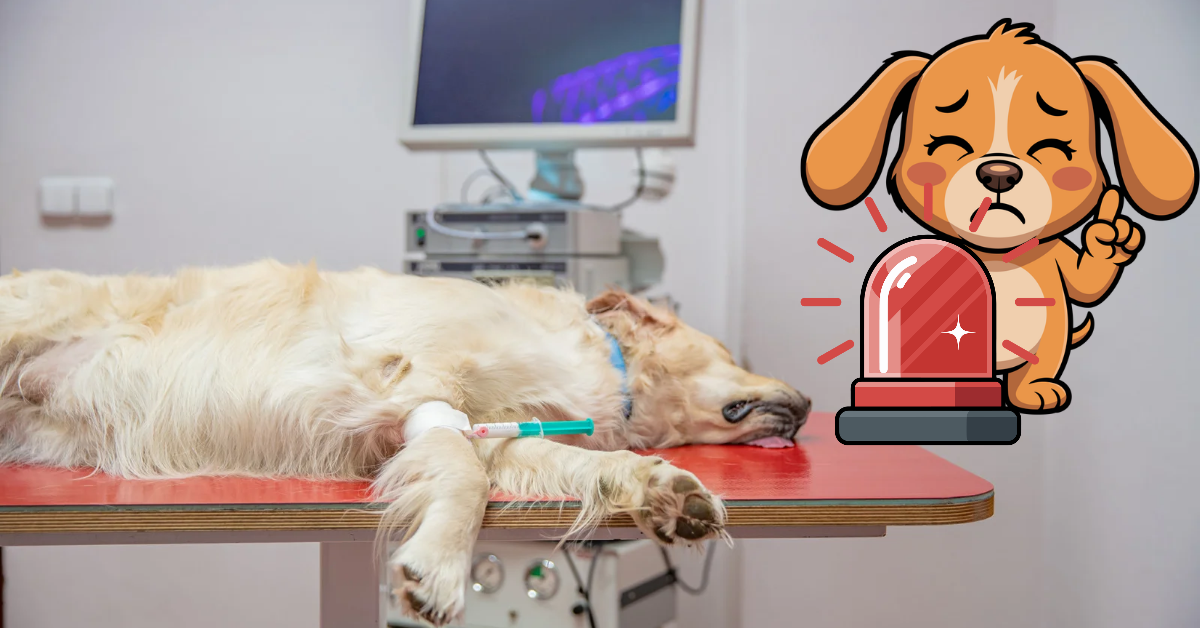
As a devoted dog owner, few things are more frightening than seeing your furry friend in distress. While our pets bring endless joy, they can also face life-threatening emergencies that require fast action and knowledge. Knowing how to recognize these situations can make the difference between life and death. Here are the top 3 dog emergencies every pet owner must know, backed by trusted veterinary guidance.
1. Bloat (Gastric Dilatation-Volvulus, GDV)

Why it’s dangerous:
Bloat, medically known as Gastric Dilatation-Volvulus (GDV), is a severe condition where a dog’s stomach fills with gas and twists. This twist cuts off blood flow, damages organs, and can cause shock or death within hours. Deep-chested breeds, like Great Danes, Dobermans, and German Shepherds, are most at risk.
Warning signs to watch for:
- Unsuccessful attempts to vomit or retch
- Distended, tight abdomen
- Restlessness, pacing, drooling, or pale gums
- Rapid heartbeat, shallow breathing, or collapse
Immediate action:
- Rush to an emergency vet immediately — every minute counts.
- Keep your dog calm and quiet during transport.
- Do not give food, water, or attempt home decompression.
Prevention tips:
- Feed smaller, frequent meals and avoid vigorous exercise immediately after feeding.
- Deep-chested breeds may benefit from specialized feeding strategies recommended by a veterinarian.
2.Breathing Distress / Anaphylaxis
Why it’s dangerous:
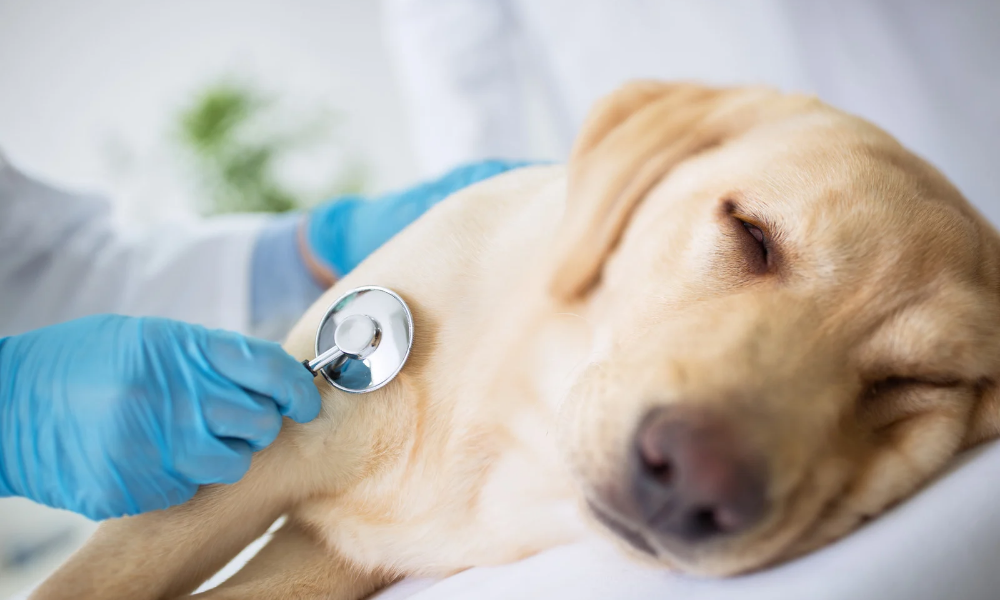
Difficulty breathing can be caused by allergic reactions (anaphylaxis), airway obstructions, or respiratory disease. These situations can lead to hypoxia (lack of oxygen) and collapse within minutes if untreated.
Warning signs to watch for:
- Open-mouthed breathing, gasping, or wheezing
- Pale, blue, or gray gums
- Swelling of the face or muzzle, hives, vomiting
- Collapse or sudden lethargy
Immediate action:
- Transport to an emergency clinic immediately.
- Keep the dog upright and calm.
- Remove any known allergen if safe (e.g., bee stings).
- For visible choking objects, only remove if it can be done safely.
Prevention tips:
- Supervise pets around known allergens.
- Keep small or hazardous objects out of reach.
- Always know the location of your nearest emergency vet.
3.Toxic Ingestion

Why it’s dangerous:
Dogs are naturally curious and may ingest xylitol, chocolate, human medications, household chemicals, or other toxic substances. Some toxins act quickly, causing hypoglycemia, liver failure, or seizures.
Warning signs to watch for:
- Vomiting, drooling, or lethargy
- Tremors, seizures, or collapse
- Fast or irregular heartbeat
- Pale or jaundiced gums
Immediate action:
- Call your veterinarian or the ASPCA Poison Control Center immediately.
- Bring packaging or ingredient information for the vet.
- Do not attempt home remedies unless specifically instructed by a veterinary professional.
Prevention tips:
- Keep medications, sugar-free products, and household chemicals out of reach.
- Educate family members about pet-safe foods and products.
Final Thoughts
Emergencies like bloat, breathing distress, and toxic ingestion can escalate quickly. Recognizing the signs and acting immediately can save your dog’s life. Being prepared and informed is the best way to protect your furry family member.
Stay Connected With VetScopia 🐾
For more vet-approved tips, emergency advice, and pet care hacks, follow us across all platforms:
Blog: https://vetscopia.com
YouTube: https://www.youtube.com/@VetScopia
TikTok: https://www.tiktok.com/@VetScopia
Share this article with fellow dog owners — it could save a life! 🐶❤️