You’re out for a walk, the sun’s doing its thing, and your dog seemed totally fine just a little while ago. But now he’s panting way harder than usual, not really responding to you, and just… not himself.
Can you imagine that scenario ?.
Summer heatstroke in dogs can go from “he’s just a little warm” to a full emergency faster than most people realise — sometimes within the hour. I’ve seen it happen to dogs that were perfectly healthy that same morning.
Here’s Why Dogs Struggle So Much With Heat
We sweat. Dogs don’t — not really. They’ve only got sweat glands on their paw pads, so panting is basically their entire cooling system. And when the heat gets to a certain point, panting just can’t keep up.
What surprises a lot of people is how quickly things escalate. A parked car sitting at 90°F outside? The inside hits 109°F in under ten minutes. Ten minutes. Even with the windows cracked a little. That’s not a lot of time to run a quick errand.
As Dr. Jerry Klein, Chief Veterinary Officer for the AKC, puts it — “the degree of damage is determined by how high the body temperature gets and how long the dog stays there.” Which really just means: every minute counts.
Some Dogs Are Fighting an Uphill Battle
Summer heatstroke in dogs doesn’t discriminate, but some dogs really do have it harder than others:
- Flat-faced breeds — Bulldogs, Pugs, French Bulldogs, Boxers — their airways are already working overtime just to breathe normally
- Senior dogs and dogs carrying extra weight
- Big dogs with heavy coats like Chow Chows and Golden Retrievers
- That one dog who will chase a ball until he physically cannot anymore (you know the type)
- Dogs on certain medications like diuretics or beta-blockers
If your dog falls into any of these categories, summer heat deserves extra attention from you — not just on scorching days, but on warm ones too.
What It Actually Looks Like
Early on, summer heatstroke in dogs can look pretty mild, which is exactly what makes it tricky:
- Panting that just won’t settle down
- Drooling more than usual
- Gums or tongue looking really red
- Acting restless, confused, or wobby
- Suddenly hunting for the coolest spot in the room
Here’s something worth holding onto — a dog that’s just overheated will bounce back once they’re somewhere cool. A dog heading into heatstroke keeps getting worse even after you’ve moved them inside.
That difference matters a lot when you’re trying to decide how worried to be.
If things get further along, you might see vomiting, stumbling, or collapse. That’s the point where you’re not waiting — you’re moving.
What To Do In Those First Few Minutes
Take a breath, because panicking doesn’t help either of you. Here’s what actually does:
- Get them out of the heat immediately — shade, AC, anywhere cooler
- Pour cool water over them, especially the neck, chest and legs — not ice cold, just cool
- Get a fan going if you can
- Let them drink small sips of water if they want it — never force it
- Don’t lay wet towels over them — sounds helpful, but they trap heat in and make things worse
- Call your vet while you’re doing all of this so they’re ready when you arrive
Cool first, then drive. Not the other way around.
According to Cornell University College of Veterinary Medicine, the most effective strategy is always avoiding situations where dogs are at risk in the first place — but when it happens, immediate cooling and urgent vet care give your dog the best shot at a full recovery.
Making Sure It Never Gets To That Point
Honestly, most cases of summer heatstroke in dogs are preventable. It really does come down to a few consistent habits:
- Early morning or evening walks only on hot days — the pavement holds heat long after the sun dips
- Water everywhere, always
- Parked car = never, not even for five minutes
- Shade and airflow for any dog spending time outside
- And if you have a flat-faced or older dog — they need you paying attention even when the day feels just “warm” to you
You Already Care — That’s Half The Battle
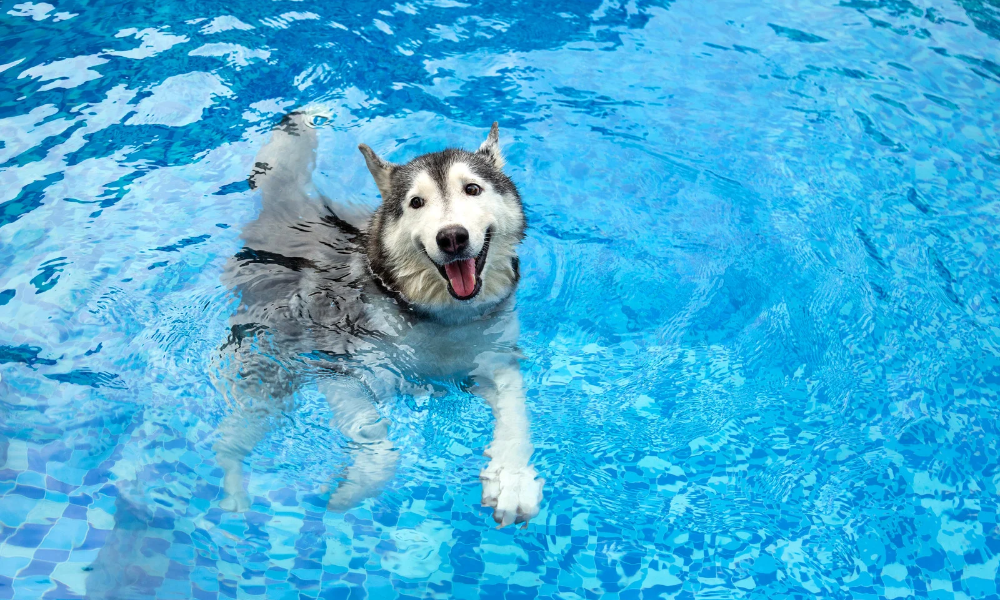
The fact that you’re reading this means you’re already thinking ahead for your dog. Summer heatstroke in dogs is serious, but it responds really well to fast action and a prepared owner.
Know the signs. Keep it cool. And if your gut tells you something’s off — call your vet. You don’t need to wait until you’re certain.
Your dog trusts you completely. That’s a pretty good reason to be ready.
Read More:
What to Do in a Pet Emergency: A Vet’s Step-by-Step Guide
Dental Disease in Pets: Why Your Vet Keeps Bringing It Up
Separation Anxiety in Dogs: Causes, Signs & What Actually Works
Why Does My Dog Eat Grass? — Causes, Risks & How to Prevent It
Silent Warning Signs of Food Toxicity in Pets Most Owners Mistake for Normal Behavior