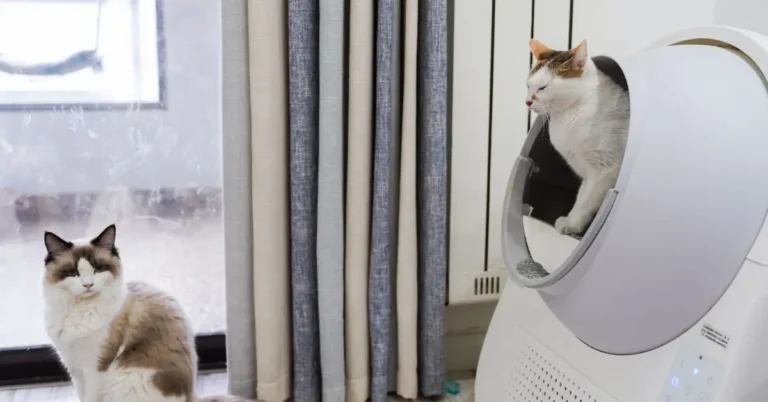
You got them during lockdown. They were tiny, clumsy, and exactly what you needed. Now they’re calmer, maybe a little grey around the muzzle — and somehow, five or six years just flew by. If that sounds familiar, this midlife health guide is exactly what you need to read today.
Here’s the thing most pet owners don’t realize — your pet’s midlife years aren’t just “the quiet years before the senior years.” They’re actually the most important window you have to protect your pet’s long-term health.
Wait — Is My Pet Already Middle-Aged?
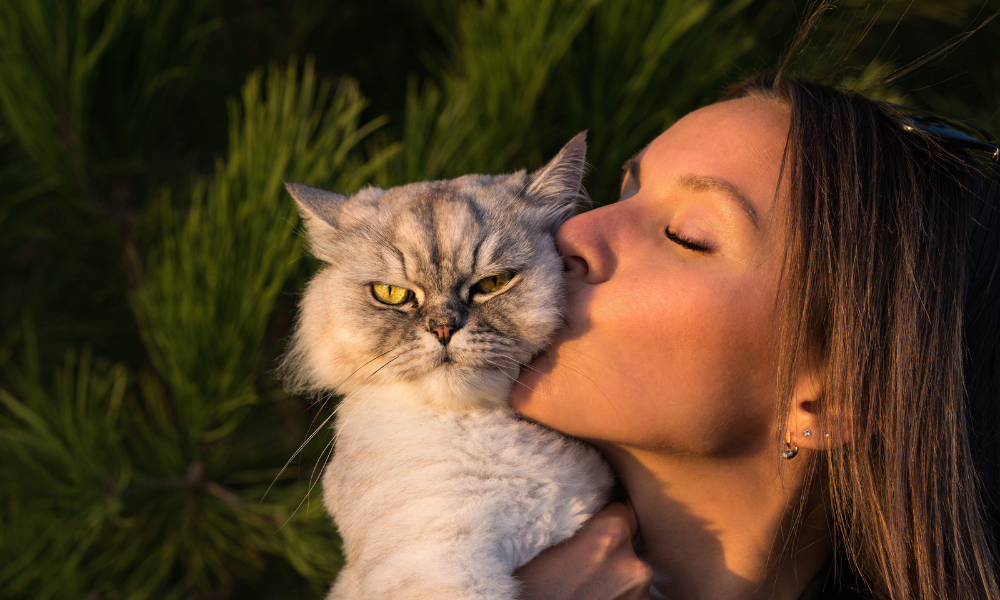
Probably yes. Large dog breeds can start showing age-related changes as early as 6–7 years old. Smaller dogs and cats tend to follow a bit later, around 9–10 years.
So if your pandemic pup or pandemic kitty is hitting that 5–7 year mark, you’re right in the middle of the midlife health guide window — and it matters more than most people think.
The tough part? Most owners don’t act until something goes wrong. In a recent global survey of over 19,000 pet owners, nearly a third said they delay doing anything because their pet seems fine.Actually, we hear this all the time. And it’s exactly what makes midlife so tricky.
What’s Actually Happening Inside Their Body

Even when your pet looks totally normal on the outside, quiet changes are already happening underneath — slower metabolism, early joint stiffness, shifts in immune function, and rising risks for conditions like diabetes and dental disease
Dr. Tanya Schoeman, a veterinary specialist and feline health expert, put it well: “Our pet’s aging begins much earlier than many of us expect, often during midlife when cats and dogs still seem healthy and full of energy.” (Royal Canin Veterinary Symposium, 2026)
This is the biology of midlife — and it’s not something to fear. It’s something to work with.
Signs to Watch For Right Now

Your midlife health guide wouldn’t be complete without a practical checklist. Keep an eye out for:
- Grey or white fur creeping around the muzzle and face
- Slower to get up after resting, or less eager on walks
- Sleeping more than usual
- Hesitation before jumping — especially in cats
- A slight cloudiness forming in the eyes
- Changes in appetite or water intake
- New lumps or bumps on the skin (always worth a vet check)
None of these are automatic emergencies. But each one is your pet saying “hey, pay attention to me a little differently now.”
Your Midlife Health Guide Action Plan

The good news? How your pet ages isn’t set in stone. Nutrition, weight, exercise, and regular monitoring can all shape the years ahead. Here’s where to start:
- Revisit their food — midlife pets often need fewer calories but better quality nutrition. Ask your vet if it’s time to adjust
- Protect the joints early — omega-3 fatty acids and glucosamine are worth discussing before stiffness shows up, not after
- Watch their weight — extra pounds in midlife can shorten a pet’s life by up to two years and make joint disease worse, faster
- Keep their mind busy — puzzle toys, short training sessions, and daily interaction all help keep your pet sharp and emotionally grounded
You Still Have Time — That’s the Point

The midlife health guide message isn’t a scary one. It’s actually hopeful. This stage — right now — is your best chance to shape what the next five or six years look like for your pet.
They showed up for you during one of the hardest seasons of your life. Following this midlife health guide is how you show up for them now — before problems start, not after.
If your pandemic pet is hitting that middle-age milestone, we think it’s time to have the midlife conversation with your vet. Book that wellness visit. Ask the questions. The earlier you start, the better those golden years are going to look.
Read More:
Summer Heatstroke in Dogs: Signs, First Aid & Prevention — Complete Guide
What to Do in a Pet Emergency: A Vet’s Step-by-Step Guide
Dental Disease in Pets: Why Your Vet Keeps Bringing It Up
Why Does My Dog Eat Grass? — Causes, Risks & How to Prevent It