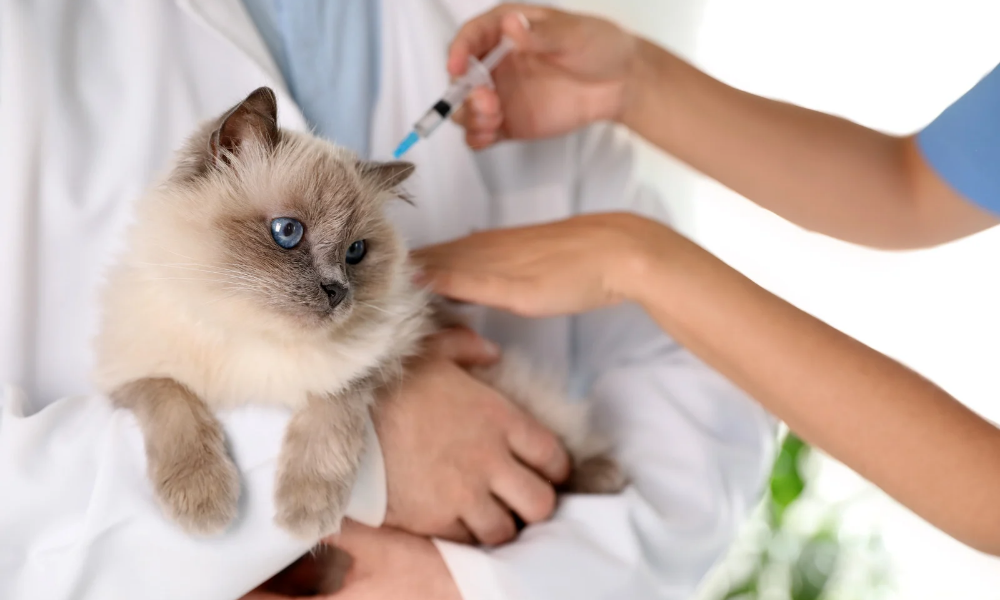
Unlike in the past, today more people are paying attention to pet vaccination. Many pet owners now understand that vaccination is important not only for an animal’s health, but also for human health.
Most people know that their pets should be vaccinated, but many do not clearly understand the vaccination process. This lack of understanding can reduce vaccine effectiveness or even lead to vaccine failure.
When we look at the pet vaccination process, it mainly has three parts:
- Pre-vaccination care
- Vaccination
- Post-vaccination care
In this article, I focus on things we should care about before pet vaccination, also known as pre-vaccination care.
When Does the Pet Vaccination Process Start?
You may already know that the pet vaccination process usually starts when puppies or kittens are 6–8 weeks old. If you have read my full article about pet vaccination, you already have a good understanding of this. If not, I recommend reading that article first for better knowledge.
Here, I will begin discussing pre-vaccination care, starting from that point.
Important Things to Care About Before Pet Vaccination
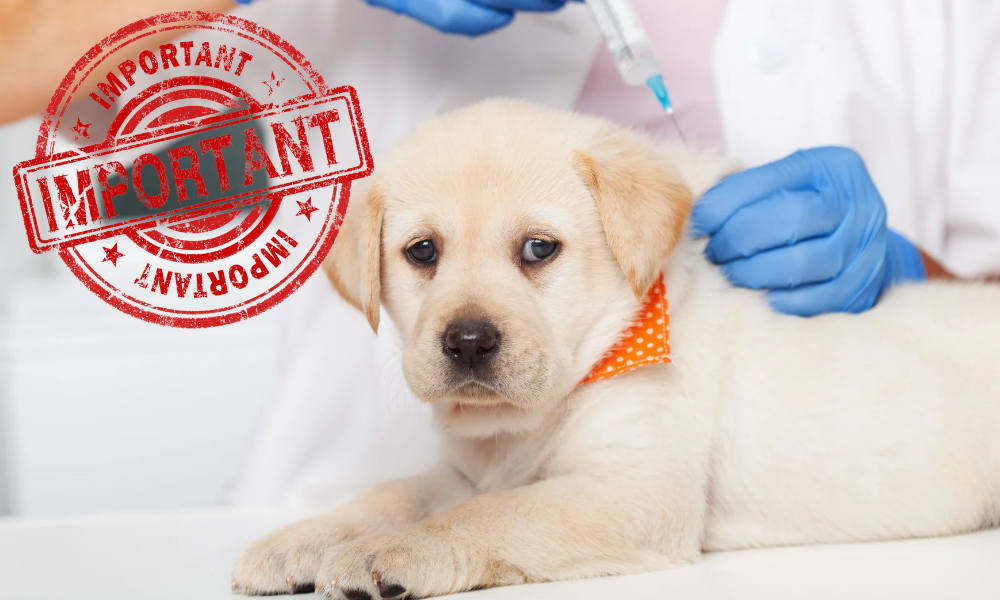
- Pet vaccination should start around 6–8 weeks of age, not before and not after this period.
- In special situations—such as when the mother of the baby animal is unknown, or when the baby animal did not receive an adequate amount of mother’s milk (especially during the first few days), vaccination may need to start earlier than 6–8 weeks, only under your veterinarian’s advice.
- The animal must be healthy before any vaccination. If your dog or cat shows any signs of illness, meet your vet first and postpone the vaccination until the animal is healthy.
- Deworm the animal 7–10 days before vaccination, as internal parasites can reduce the immune response to vaccines.
- Avoid stress before vaccination. Stress can negatively affect the immune system and reduce vaccine effectiveness.
Information You Should Always Share With Your Vet Before Vaccination
Before every vaccination, inform your vet about the following:
- Common infectious diseases in your area and your pet’s lifestyle (These are especially important when preparing a vaccination schedule and deciding whether non-core vaccines are needed.)
- Any infectious disease outbreaks in your area
- Any ongoing treatments or medications
- Any previous allergic reactions after vaccination or medication
- Any known genetic or inherited health conditions
- The presence of other animals in your home and their current health status
- Travel history, especially if your pet has traveled to different countries or regions
- Any special situations that may affect your pet’s health (For example, bites from wild or unknown animals)
Additional Pre-Vaccination Care Tips
- In some situations, you may need to bring the vaccine from outside the clinic. In such cases, ensure it is kept at the proper temperature and handled with great care.
- Keep your pet away from sick animals during the vaccination period (From the day of vaccination until 2–3 weeks after).
- Do not miss booster vaccinations, as they are essential for building strong immunity.
- Maintain at least a 2–3 week gap between two different vaccinations, unless your vet advises otherwise.
- Always keep vaccination records safe after every vaccination.
Final Thought
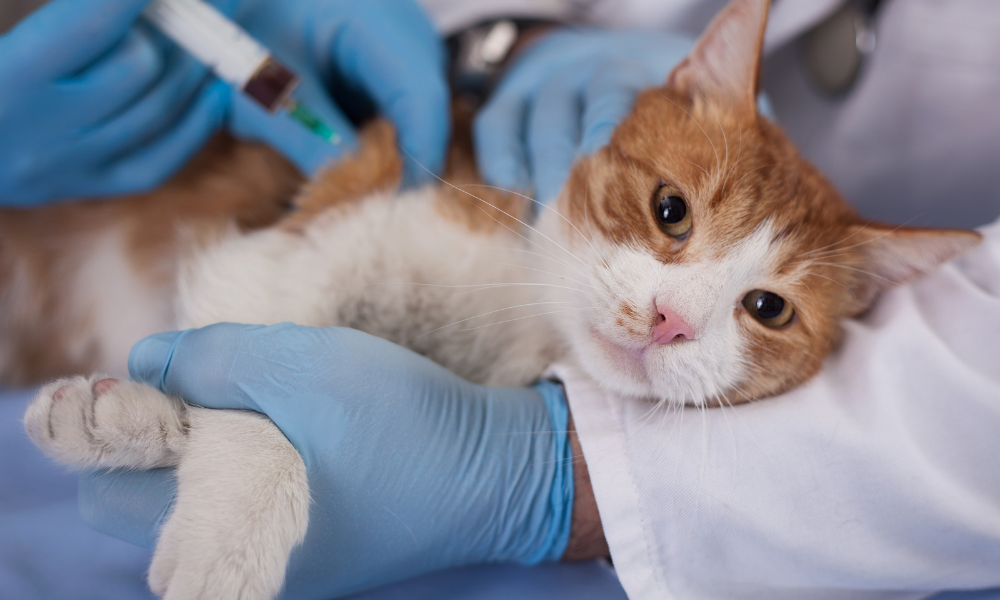
Pet vaccination is not just about injecting a vaccine. To achieve the full protective effect and to prevent vaccine failure, these steps must be followed carefully.
Correct vaccination is an investment.Do it properly, and you help ensure a happy, healthy life for your pet.
If you’re interested in learning more about pet vaccination, be sure to read the full vaccination guide on the blog.