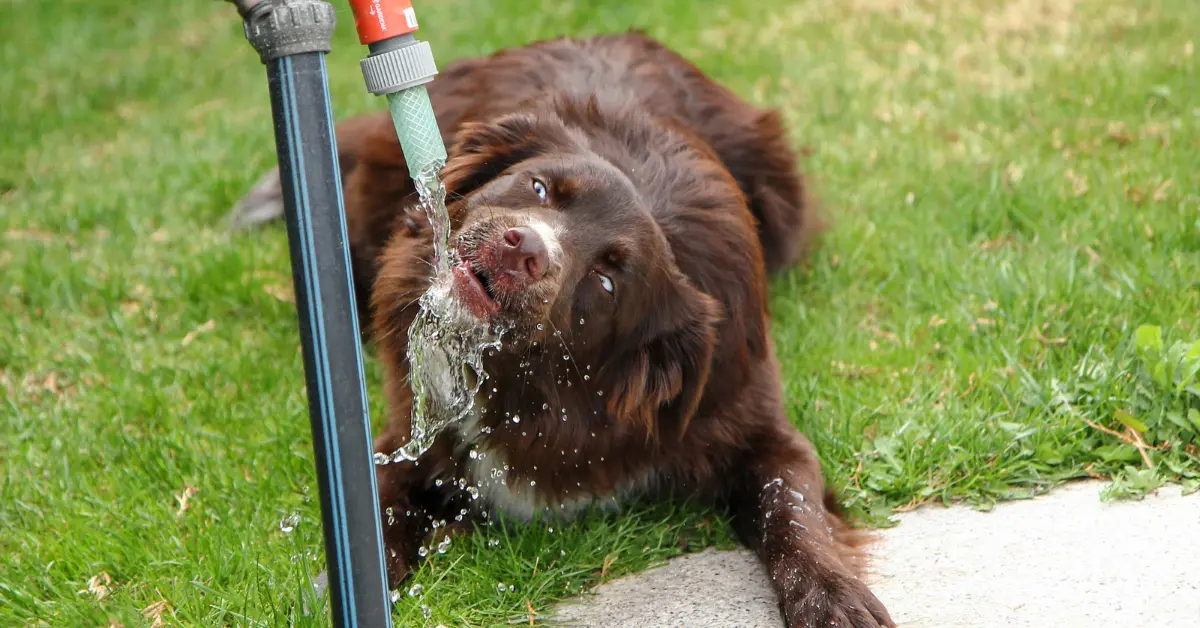
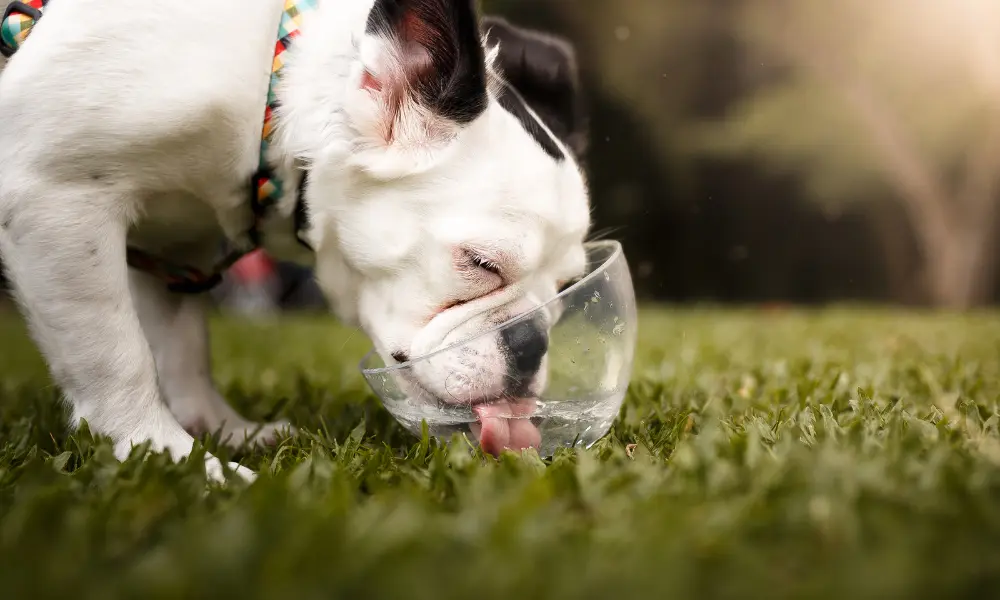
You’ve refilled that water bowl three times today. Your dog drains it, walks away, comes back, drinks again. And somewhere between the fourth refill and watching them head straight back for more, a thought creeps in — is this normal, or is something wrong?
If you’re asking why is my dog drinking so much water — trust that instinct. Because that question, coming from someone who knows their dog, is almost always worth following up on.
What’s Actually Normal to Begin With?
Most people have never measured how much their dog drinks — and that’s completely fine, until something feels off. Here’s a rough guide:
- A healthy dog drinks about one ounce of water per pound of body weight each day
- A 20-pound dog → roughly two and a half cups daily
- A 50-pound dog → around six cups daily
And some things naturally push that higher without anything being wrong:
- A long walk on a hot afternoon
- Eating dry kibble instead of wet food
- A nursing mother feeding puppies
So if your dog had a big run in the heat today and emptied the bowl twice — that’s probably fine. But if it’s been days, and nothing explains it, and you’re genuinely noticing a change from what’s normal for your dog? Keep reading.
What’s Most Likely Going On ?
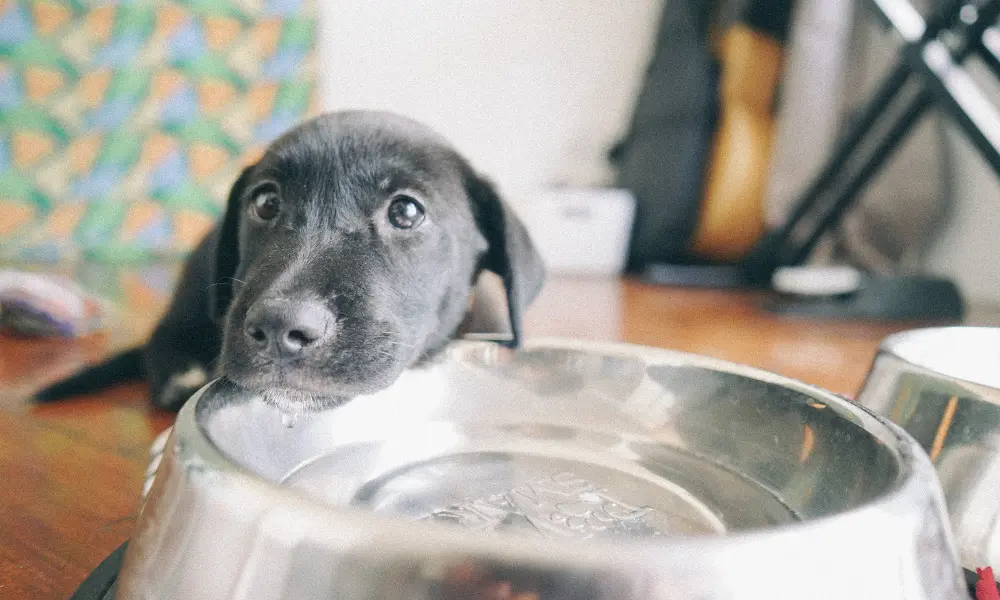
Here’s the thing about a dog drinking too much water — there’s almost always a reason. And it’s usually one of these:
Diabetes
- The body can’t process blood sugar properly, so it tries to flush the excess out through urine
- Water goes with it — and your dog drinks to replace what’s lost
- You might also notice weight loss even though they’re eating well, and sometimes sweet-smelling urine
Kidney disease
- Kidneys that aren’t working well lose more water in the urine than they should
- Your dog drinks more trying to keep up with that loss
- The quietly worrying part: early kidney disease often shows nothing except increased thirst — no dramatic symptoms, just a dog emptying their bowl more
Cushing’s disease
- The adrenal glands produce too much cortisol
- Classic picture: drinking and urinating a lot, a rounded pot-belly that appeared gradually, thinning coat, panting more than usual, always hungry
- Owners often chalk this up to age — and understandably so, because it creeps in slowly
Urinary tract infection
- More urination than usual, and the body responds by drinking more
- You’ll usually also notice straining, small amounts of urine, blood, or a strong smell
- Very fixable once a urine test confirms it
Pyometra — in unspayed females
- A uterine infection that quietly destroys kidney function while it grows
- Sudden dramatic thirst, lethargy, sometimes discharge
- This one genuinely can’t wait — it needs same-day veterinary care
Liver disease
- The liver helps regulate fluid balance — when it’s not coping, thirst goes haywire
- Often comes alongside yellowing in the gums or eyes, vomiting, or going off food
Medications
- Steroids, certain heart medications, and some seizure drugs all cause increased thirst as a known side effect
- If the drinking started around the same time as a new prescription — that conversation with your vet is worth having
Boredom or anxiety (psychogenic polydipsia)
- Some dogs — especially younger, more anxious, or under-stimulated dogs — drink compulsively without anything medically wrong
- Often triggered by stress, habit, or being alone for long stretches
- Still needs ruling out properly, because you can’t tell the difference without tests
Here’s Something Your Vet Will Tell You
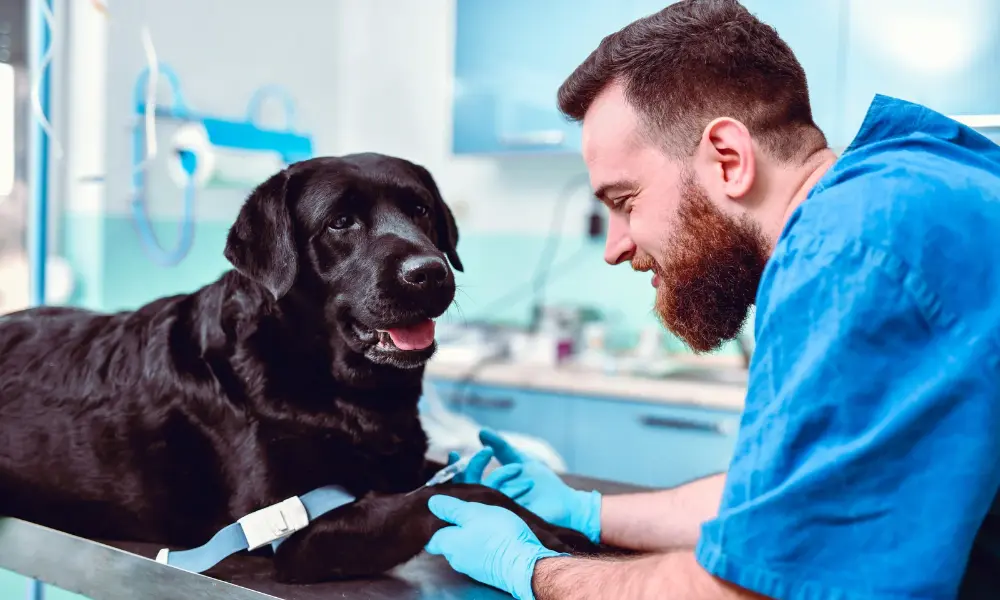
According to the American Kennel Club, most of the time it’s actually the urination that comes first — the body loses more water than it should, and your dog drinks more simply trying to replace it.
So if your dog is both drinking more and urinating more, those two things together are a much stronger signal than either one on its own.
Start watching the litter habits as closely as the water bowl. More trips outside, bigger puddles, accidents indoors, urgency that wasn’t there before — all of that matters.
When You Shouldn’t Wait ?
Call your vet today — or head to an emergency clinic — if the excessive drinking comes with any of these:
- Vomiting, or a belly that looks swollen or painful
- Discharge from the vulva in an unspayed female
- Yellow tinge to the gums or eyes
- Noticeable weight dropping off over days or weeks
- They’ve gone off their food completely
- They seem genuinely weak, wobbly, or unlike themselves
And even without those extra signs — if the drinking has been clearly more than usual for over 48 hours with no obvious explanation, that’s a vet call. Not urgent-emergency necessarily, but don’t sit on it.
What NOT to Do ?
Please don’t restrict their water to try and fix the problem. We understand the instinct — the drinking seems excessive, so cutting back seems logical.
But if your dog’s kidneys are already struggling to hold onto water, taking it away can push them into serious dehydration within hours.
Leave the water down. Call the vet instead.
What Helps Your Vet Most ?
Before you go in, spend two or three days doing this:
- Measure roughly how much water goes into the bowl and how much is left at the end of the day
- Write down when you first noticed the change and anything else that seemed different around the same time
- Note any current medications — even ones they’ve been on a while
- Take a short video if the drinking seems frantic or compulsive — it really helps
Your vet will run blood work looking at kidney function, blood sugar, liver values, and calcium. A urine sample tells them even more. Most of the time, a clear picture starts forming quickly from those two things alone.
You Already Did the Hard Part
The hardest part of catching something early is noticing it in the first place. And you did. You noticed your dog drinking so much water — not because a vet told you to watch for it, but because you know your dog well enough to sense when something has shifted.
That’s everything. Now just follow it through. Make the call, get them seen, and let the answers come. Most of what causes this is very manageable — especially when you catch it while it’s still early.
Read More:
Senior Dog Care Guide: 10 Changes Every Owner Should Watch For
Why Is My Dog Always Itching? 10 Common Causes and What You Can Do
10 Warning Signs Your Dog Is Sick: When Should You Call a Vet?
How to Tell If Your Pet Is in Pain: The Complete Vet Guide for Dogs and Cats