What’s the best diet for cats — really? Not the prettiest packaging, not the most expensive brand, not what your neighbour swears by. What does your cat actually need to stay healthy, live longer, and feel good every single day?
If you’ve ever stood in the pet food aisle completely overwhelmed, you’re not alone. Every bag and can claims to be “premium,” “natural,” or “vet-approved.” So let’s cut through all of that and talk about what actually matters — simply and honestly.
Start Here: What Cats Are Built to Eat ?
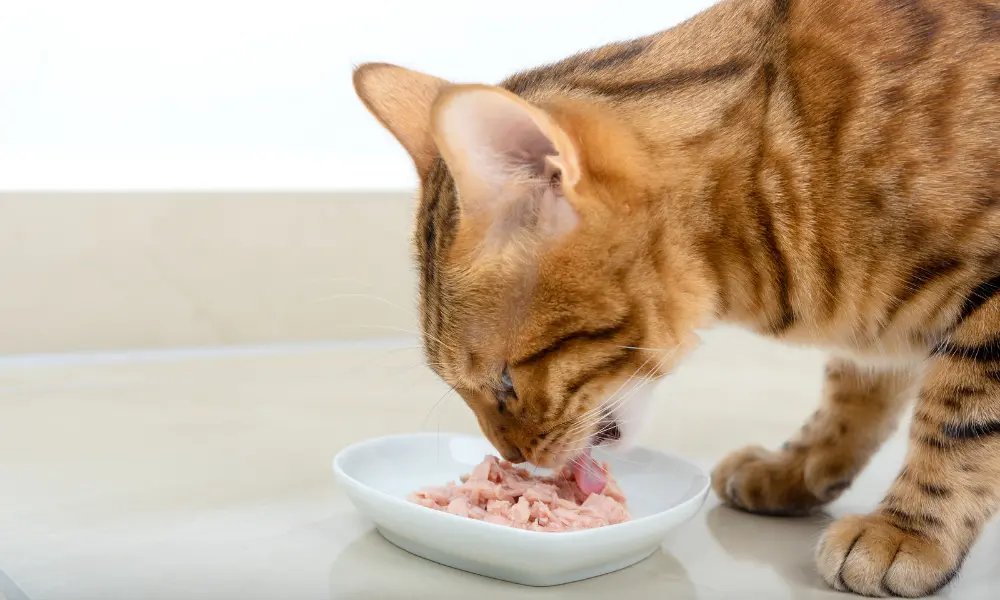
Before comparing food types, it helps to understand what a cat’s body is actually designed for. Cats are obligate carnivores — meaning they must eat animal-based food to survive. Unlike dogs or humans, they can’t thrive on plant-based nutrition.
A few things every cat needs from their food, no matter what:
- High animal protein — for muscle, energy, and organ health
- Taurine — an essential amino acid found only in animal tissue. Without enough of it, cats develop heart disease and go blind. Their bodies cannot make it on their own
- Vitamin A — cats can’t convert it from plants; it must come from animal sources
- Moisture — cats have a naturally low thirst drive and are built to get water through their food, not just their bowl
Keep these four in mind as we go through each food type.
Wet Food — The One Most Vets Lean Toward
When owners ask us what the best diet for cats looks like day to day, wet food almost always comes up first — and for good reason.
- Contains 70–85% moisture, compared to just 7–12% in dry food — this single difference matters enormously for urinary and kidney health
- Higher in protein, lower in carbohydrates — much closer to what a cat’s body is built for
- Easier to eat for older cats or cats with dental pain
- Especially important for cats with kidney disease, diabetes, or urinary tract issues
The honest downside? It costs more and spoils quickly once opened. But for most cats, it’s the foundation of a healthy diet.
Dry Food — Useful, But Not the Whole Picture
Dry food isn’t the enemy — it just works best when it’s not the only thing your cat eats.
- Convenient, affordable, and easy to store
- Works well in automatic feeders for busy households
- Useful for cats who need calorie-dense food or need to gain weight
- Good for a midday snack or supplement alongside wet meals
The concern with dry food as a sole diet is chronic low-level dehydration — something that quietly contributes to urinary problems and kidney strain over time. Even cats on dry food who drink more water from their bowl are generally unable to fully compensate for the lack of moisture in their diet.
The Combination Approach — What Most Vets Actually Do
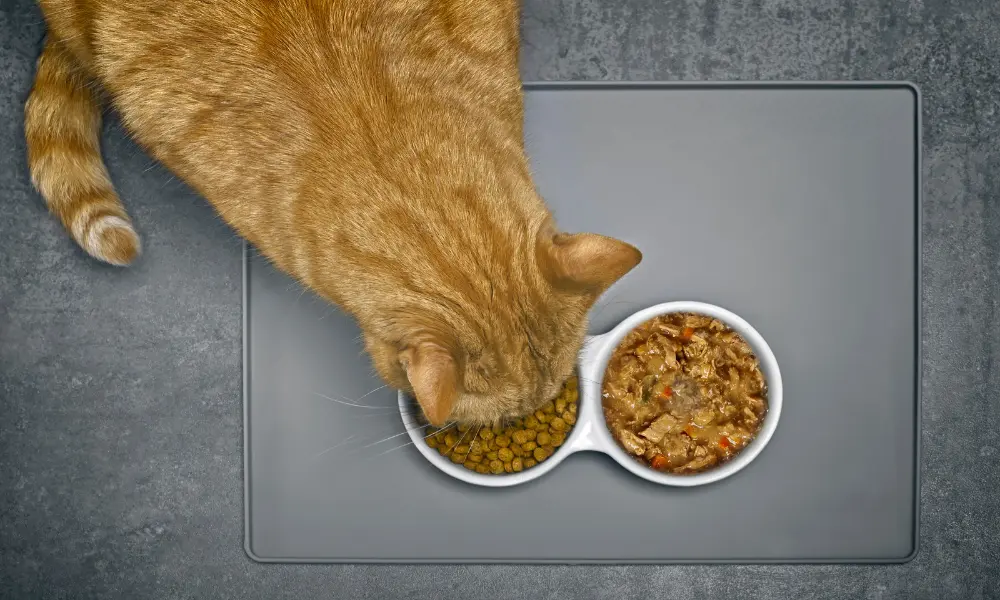
Here’s what we recommend most often for healthy adult cats:
- Wet food at mealtimes — once or twice daily as the main meal
- A small measured portion of dry food — as a midday snack or for convenience
- Always check your brand’s calorie count — combination feeding can lead to overfeeding without portion awareness
This gives you the hydration benefits of wet food with the convenience of dry — without the downsides of relying on either alone. According to PetLifeCalc’s 2026 Cat Nutrition Guide, most veterinary nutritionists now recommend exactly this combination approach as the best diet for cats in general health.
Homemade Food — With Honest Caution
We understand the appeal. You know exactly what’s in it. No preservatives, no fillers, just real food. But here’s what we see in practice:
- Cats have extremely specific nutritional needs — far more precise than dogs or humans
- A cat can look perfectly healthy for months while nutritional deficiencies are quietly building in the background
- Taurine is the biggest risk — cooking destroys it, and a taurine-deficient cat can develop heart disease or go blind before you notice anything is wrong
- Raw meat carries real bacterial risks — Salmonella, Listeria, and E. coli — not just for your cat but for everyone in your home
According to the American Veterinary Medical Association, both the AVMA and the American Animal Hospital Association discourage raw feeding due to these contamination risks and the difficulty of achieving complete nutrition without professional formulation.
If you want to try homemade food, please do it with a veterinary nutritionist involved — not a recipe from a blog or social media. And never feed homemade food to kittens, pregnant cats, or cats with kidney disease, diabetes, or heart conditions. Their needs are too precise to leave to guesswork.
Quick Guide: What to Feed Based on Your Cat
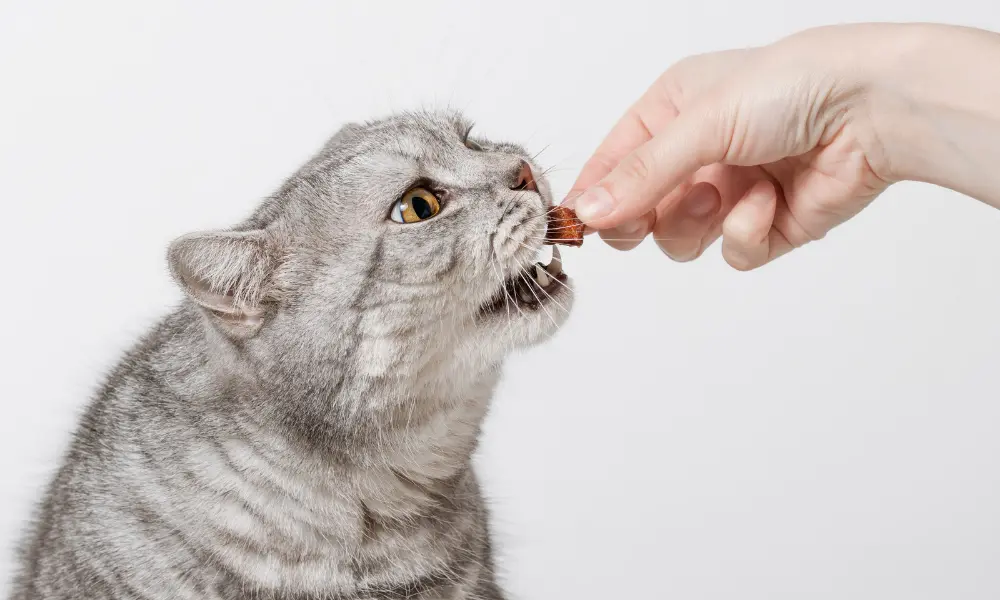
- Healthy adult cat → wet food as the main diet, small dry food portion alongside
- Cat with kidney or urinary issues → wet food dominant, always
- Kitten → kitten-specific wet and dry food, 3–4 small meals daily
- Senior cat → high-protein wet food, vet checks twice a year
- Overweight cat → wet food with controlled portions, “weight management” labelled formulas
- Homemade curious → consult a vet nutritionist first, supplement correctly, and monitor with regular blood tests
One Thing to Always Check on the Label
Whatever food you choose — look for the AAFCO statement on the packaging. This tells you the food has been formulated or tested to meet established nutritional standards. A named animal protein (chicken, salmon, turkey) should be the first ingredient — not corn, potato starch, or “meat meal.”
Finding the Best Diet for Your Cat

The best diet for cats isn’t one-size-fits-all. It depends on their age, health, lifestyle, and honestly — what they’ll actually eat.
But if there’s one thing we’d want every cat owner to take away from this, it’s that moisture matters more than most people realise, taurine is non-negotiable, and the label on the bag tells you more than the marketing ever will.
When in doubt, bring the question to your vet. They know your cat’s individual needs — and that conversation is always worth having.
Read More:
Signs Your Cat Is Dehydrated: What Every Owner Needs to Know