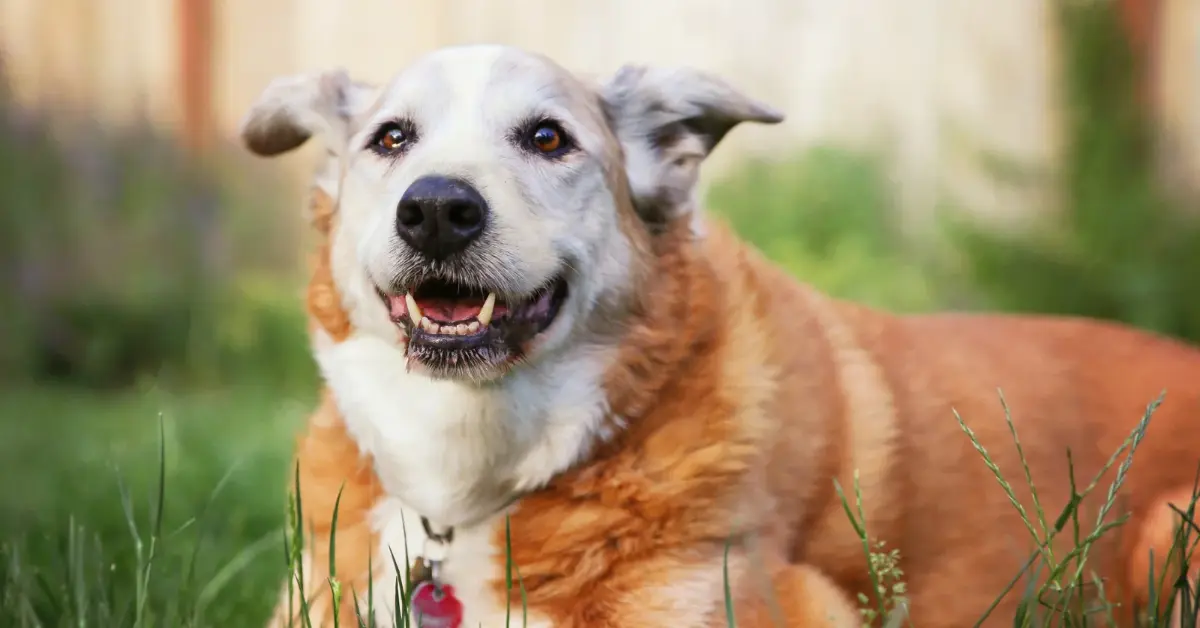
Senior dog care is something most of us aren’t prepared for — until the day we notice our dog taking the stairs a little more carefully, sleeping a little longer, or just moving through the world with less urgency than before.
That moment catches you off guard every time. And it brings up a quiet question that every devoted owner eventually asks: am I missing something?
The honest answer is — you might be. Not because you’re not paying attention. But because so many of the changes that matter most in a senior dog happen slowly, quietly, in the background. Here’s what to watch for.
First — When Is Your Dog Actually a Senior?
The old “multiply by 7” rule isn’t accurate. Senior dog care needs to start earlier than most people think — especially for larger breeds.
- Small breeds (under 20 lb) → senior around 9–10 years
- Medium breeds (20–50 lb) → senior around 8 years
- Large breeds (50–90 lb) → senior around 7 years
- Giant breeds (over 90 lb) → senior as early as 5–6 years
Larger dogs age faster at a cellular level. A Great Dane at 6 is already in their senior years. A Chihuahua at 6 is still very much middle-aged.
The 10 Changes Every Senior Dog Owner Should Know
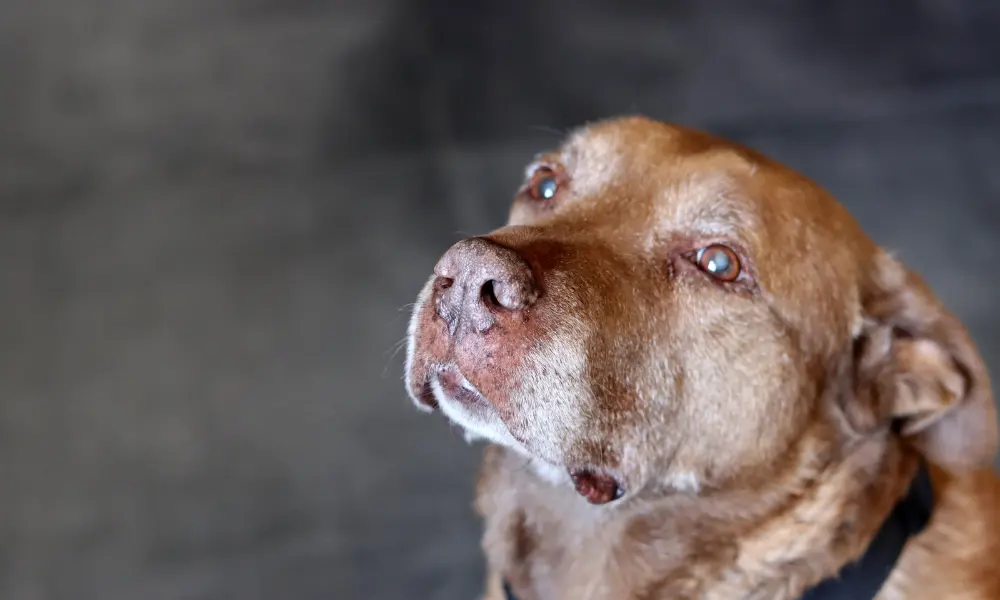
1)Slowing down and morning stiffness
- Slower to get up, hesitates before the stairs, reluctant to jump into the car
- This is pain — not personality — and arthritis affects around 50% of dogs over 10
- It’s manageable, but first it needs to be recognized
2)Weight changes in either direction
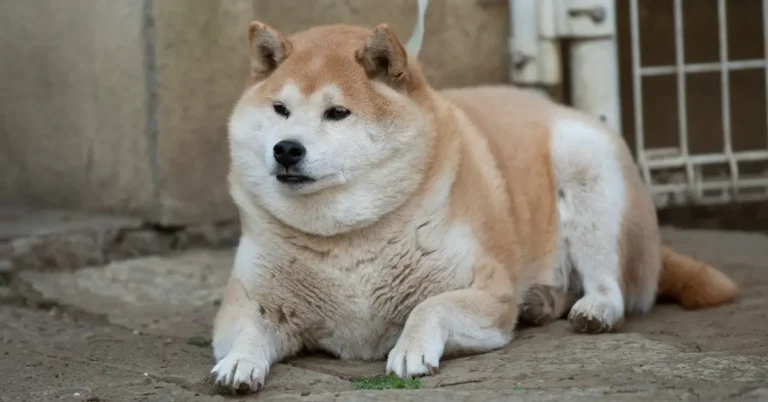
- Gradual weight gain strains already ageing joints and the heart
- Weight loss despite eating normally is a red flag for kidney disease, diabetes, or cancer
- Run your hands along their ribs monthly — it tells you more than the scale alone
3)Drinking or eating differently
- Suddenly drinking much more → possible kidney disease, diabetes, or Cushing’s disease
- Eating less → often dental pain, nausea, or a reduced sense of smell
- Changes in thirst are one of the most reliable early warning signs in senior dogs
4)Bad breath and dental changes
- Dental disease affects around 70% of dogs over 8 — and most owners don’t connect it to the bigger picture
- Dropping food, drooling, pawing at the mouth, or preferring soft food suddenly all point to mouth pain
- Dental disease in senior dogs is directly linked to heart and kidney complications — it’s never just cosmetic
5)New lumps and bumps
- More common as dogs age — and appearance alone can’t tell you whether something is concerning
- Every new lump deserves a vet check, not a wait-and-see approach
- The earlier something is identified, the more options you have
6)Bathroom habit changes
- Accidents indoors in a house-trained dog are almost always medical — not behavioural
- Bladder leaking at night, unable to hold on as long — often caused by weakening bladder muscles, infection, or hormonal changes
- There are medications that help significantly — but only if you mention it to your vet
7)Vision and hearing changes
- Hesitant going outside at night, bumping into furniture, not responding to their name
- Don’t assume it’s stubbornness — they may genuinely not see or hear you as well as before
- Some vision conditions like cataracts are treatable; others need monitoring for underlying causes like high blood pressure
8)Cognitive changes — the dog version of dementia
- Getting lost in familiar rooms, staring at walls, waking and wandering at night, forgetting toilet training, withdrawing from family, or becoming unusually anxious
- This is called Cognitive Dysfunction Syndrome — and according to the AKC Canine Health Foundation, its early signs so closely mimic normal aging that it’s frequently missed until the condition is already advanced
- Medications and environmental strategies can genuinely slow progression — but only if it’s caught
9)Coat and skin changes
- A dull, thinning, or flaky coat in a senior dog can signal thyroid disease, nutritional deficiency, or Cushing’s disease — not just age
- New pigmentation, skin thickening, or persistent odour all deserve a vet look
- Regular brushing helps you spot changes early — and it’s one of the gentlest ways to stay connected with a dog who can no longer keep up with long walks
10)Reduced exercise tolerance and breathing changes
- A dog who used to go the distance and now tires quickly is telling you something real
- Persistent coughing, laboured breathing at rest, or a soft cough after lying down can signal heart disease — common in senior dogs, especially small breeds
- Exercise still matters — it just needs to adapt. Shorter, gentler, more frequent walks beat one long exhausting one every time
The Single Most Important Step in Senior Dog Care
Senior dogs benefit from twice-yearly wellness exams plus annual bloodwork — this catches kidney disease, thyroid problems, and dental disease one to two years earlier than annual-only exams. (Rexvet)
Six months is a long time in a senior dog’s life. A lot can change. And what gets caught early almost always has more treatment options, better outcomes, and more good days ahead.
Small Home Changes That Make a Big Difference
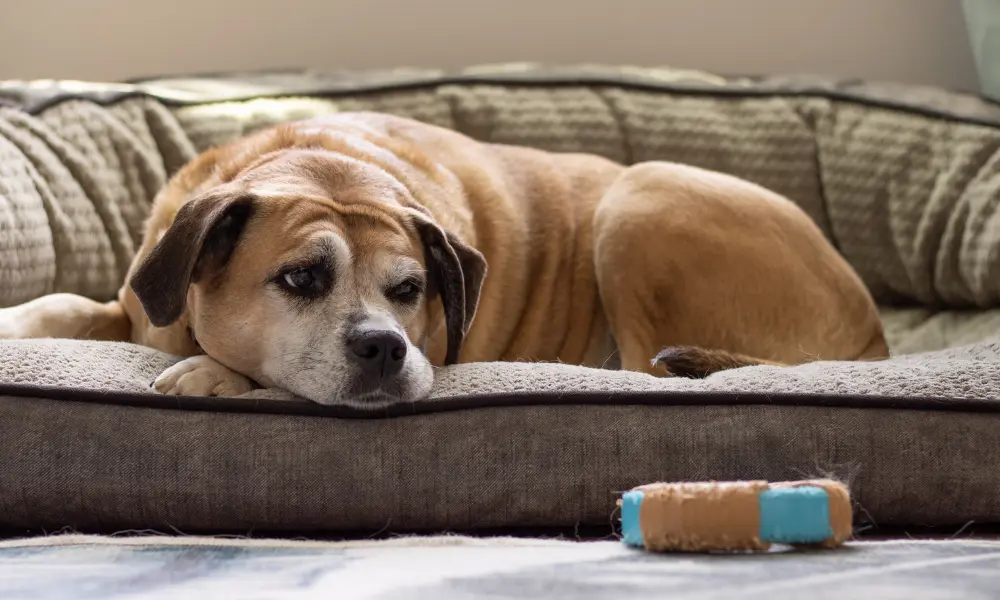
Good senior dog care doesn’t stop at the vet’s office:
- Non-slip rugs on hardwood floors — a simple change that prevents painful slips
- Ramps instead of stairs for the car and furniture
- An orthopaedic bed in a warm, quiet, easily accessible spot
- Raised food and water bowls to reduce neck and shoulder strain
- Nightlights for dogs with vision changes or nighttime confusion
- Consistent daily routines — especially important for dogs with cognitive changes
These Years Are Worth Showing Up For
Senior dog care asks more of us. More attention, more patience, more vet visits. But it also gives back something most owners describe as deeply meaningful — a quieter, closer kind of companionship that the earlier years didn’t have room for.
Your dog is still in there. Still watching for you. Still grateful every single day.
Pay attention to the small changes. Act on your instincts. And if something feels off today — make that call. They’ve been showing up for you for years. Now it’s your turn.
Read More:
Why Is My Dog Always Itching? 10 Common Causes and What You Can Do
10 Warning Signs Your Dog Is Sick: When Should You Call a Vet?
How to Tell If Your Pet Is in Pain: The Complete Vet Guide for Dogs and Cats