Why is my cat throwing up — and should I be worried?
You know that sound. That distinctive heaving from the other room that sends you rushing over, only to find a pile on your freshly cleaned floor. You clean it up, keep an eye on your cat, and somewhere between the second and third time it happens, that quiet worry starts building.
Here’s what we want every cat owner to understand first: vomiting in cats is common — but common doesn’t mean normal. And knowing the difference between “watch and wait” and “call the vet now” changes everything.
First — One Vomit or a Pattern?
This is honestly the first question we ask. Because the answer shapes everything that follows.
A cat who vomits once, then gets up, eats their dinner, uses the litter box, and acts completely like themselves? Usually fine to monitor at home.
A cat who vomits repeatedly — multiple times in an afternoon, or regularly every week — is telling you something different entirely. That pattern is never just “how they are.” It always has a reason.
So Why Is My Cat Throwing Up?

Here are the most common reasons, in order of how often we see them:
The less concerning ones:
- Hairballs — the most recognised cause. Usually tubular, matted fur mixed with fluid. Occasional hairballs in a long-haired cat are expected. Frequent ones — more than once a week — actually warrant a vet conversation, as they can indicate an underlying digestive issue
- Eating too fast — food comes back up almost immediately, tube-shaped and undigested. More regurgitation than true vomiting. Slow feeder bowls often fix this completely
- A sudden food change — switching brands or proteins too quickly unsettles many cats. Always transition gradually over 7–10 days
The ones that need a vet’s eyes:
- Food sensitivity or IBD — chronic vomiting after meals, gradual weight loss, loose stools. Inflammatory Bowel Disease is one of the most commonly missed conditions in middle-aged cats
- Kidney disease — especially in senior cats. The kidneys stop filtering toxins properly, nausea builds, and vomiting becomes a regular occurrence. Often paired with increased thirst, weight loss, and low energy
- Hyperthyroidism — an overactive thyroid speeds everything up, including digestion. Classic picture: vomiting, weight loss despite eating more, hyperactivity, scruffy coat
- Pancreatitis — inflamed pancreas causing vomiting, abdominal pain, and appetite loss. Often vague and intermittent, which is why it gets missed
- Foreign body or blockage — string, rubber bands, toy pieces. Repeated vomiting that produces nothing, or vomiting right after drinking water. This is an emergency
- Toxin ingestion — lilies in particular cause rapid kidney failure in cats. If there’s any chance your cat accessed something toxic, don’t wait
What the Colour Is Telling You ?
You’d be surprised how much the vomit itself can tell us before any tests are run:
- Clear or white foam — empty stomach, early nausea, or hairball attempt
- Yellow or green (bile) — vomiting on an empty stomach. Often happens first thing in the morning. Adding a small late-night meal sometimes solves it entirely
- Undigested food, tube-shaped — regurgitation from eating too fast, not true vomiting
- Red or pink — blood. Same-day vet call
- Dark brown, like coffee grounds — digested blood. Emergency vet, right now
When to Stop Watching and Start Calling ?
According to Chewy’s veterinary team, one episode in a cat acting normally is okay to monitor — but if it happens again, if the cat seems unwell, or if they can’t keep water down, that’s a vet visit.
Go to an emergency vet immediately if your cat is:
- Vomiting repeatedly and can’t keep water down
- Showing blood in the vomit
- Known to have eaten something toxic or swallowed string
- Completely limp, weak, or collapsed alongside vomiting
- A kitten — they deteriorate much faster than adults
Call your vet the same day if:
- Vomiting is paired with not eating for more than 24 hours
- Vomiting and diarrhea are happening together
- Your senior cat is vomiting regularly with weight loss and increased thirst
A Few Things That Help at Home
If your cat vomited once and seems otherwise fine:
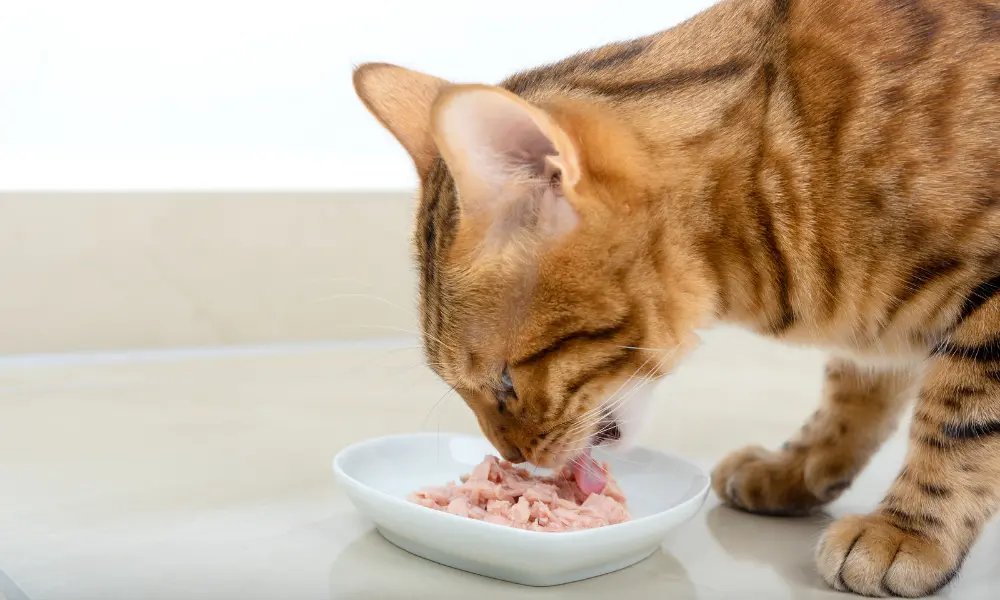
- Withhold food for 2–4 hours, then offer a small bland meal — plain boiled chicken or a veterinary GI diet
- Keep water available — never take it away
- Write down what you saw: timing, frequency, what it looked like, whether they ate or drank after
- Take a photo before cleaning up — colour and consistency genuinely help your vet
Do not give human anti-nausea medication without speaking to your vet first.
You’re Right to Take It Seriously
Why is my cat throwing up — and is it something I should be doing something about? If you’re asking that question, the answer is usually yes.
Not always urgently. Not always expensively. But always worth understanding.
You heard the sound. You paid attention. Now trust what you’re seeing — and if something doesn’t feel right, make that call. Your cat can’t tell you how they feel. But you already know something is off.
That’s everything.
READ MORE :
Why Is My Dog Licking Their Paws? Here’s What It’s Really Telling You
Why Is My Dog Drinking So Much Water? Here’s What Every Owner Should Know
Best Diet for Cats: Wet Food vs Dry Food vs Homemade Food (Vet-Backed Guide)
Signs Your Cat Is Dehydrated: What Every Owner Needs to Know