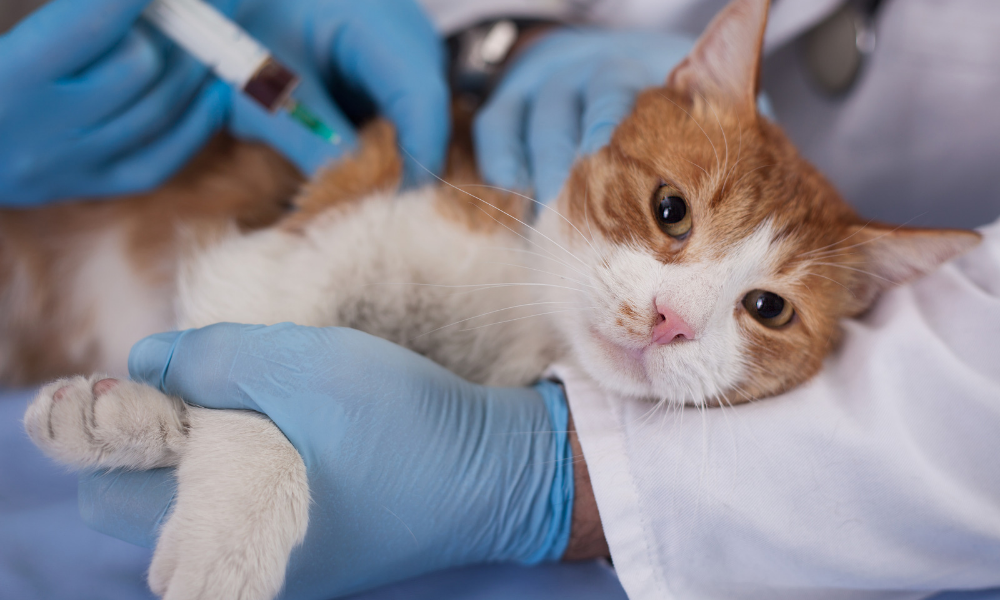
Pet vaccination is one of the most effective ways to protect dogs and cats from life-threatening diseases. Still, many pet parents worry about vaccine side effects—what reactions are normal, what signals danger, and how safe vaccines really are. This article explains the side effects of pet vaccination in practical terms, so you know exactly what to expect, when to relax, and when to act.
Why Do Pet Vaccines Cause Side Effects?

Vaccines work by activating the immune system. When a vaccine is given, the body recognizes it as a foreign substance and begins building protection against specific diseases. This immune response is essential—but it can sometimes cause mild, temporary reactions.In simple terms, side effects occur because the immune system is learning and responding.
Common reasons include:
- Immune system activation
- Temporary inflammation at the injection site
- Sensitivity to vaccine components
- Stress related to the clinic visit
Most side effects are short-term and harmless, and they usually indicate that the vaccine is working as intended.
How Do Vaccine Side Effects Develop?

Vaccine reactions usually appear within a few hours to 48 hours after vaccination.
They develop due to:
- Local reactions – mild pain, swelling, or warmth at the injection site
- Systemic reactions – mild fever, tiredness, or reduced appetite
- Allergic responses – uncommon reactions to certain vaccine ingredients
The intensity of these reactions depends on the pet’s age, health status, immune sensitivity, and previous vaccine history.
Common Vaccine Side Effects in Dogs and Cats
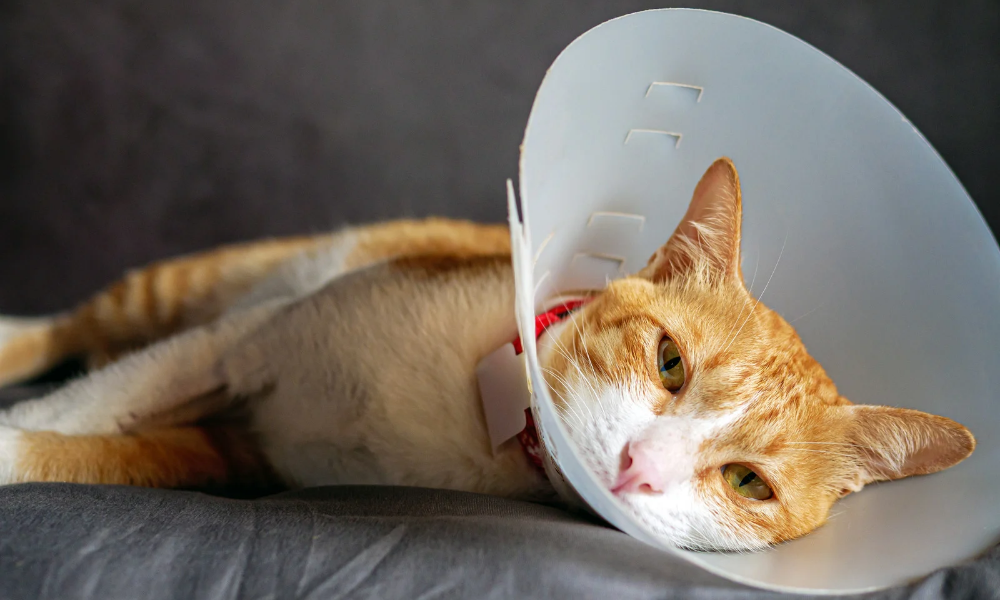
Mild and Common Reactions (Usually Normal)
Do not be alarmed by these reactions. They are common and typically resolve without treatment.
- Sleepiness or reduced activity
- Mild fever
- Slight loss of appetite for 24 hours
- Small swelling or tenderness at the injection site
- Temporary limping after limb injections
Moderate Reactions (Monitor Closely)
These reactions are less common but require observation. If they persist for an extended period, inform your veterinarian.
- Swelling lasting longer than 3–4 days
- Vomiting or diarrhea once or twice
- Facial swelling or hives
- Increased discomfort or vocalization
What Is Normal—and What Should Worry You?
Reactions That Are Usually Not Concerning
- Mild lethargy for one to two days
- Small, firm lump at the injection site that gradually shrinks
- Temporary decrease in appetite
Warning Signs That Need Immediate Attention
Contact a veterinarian urgently if your pet shows:
- Difficulty breathing
- Collapse or extreme weakness
- Repeated vomiting or diarrhea
- Severe facial swelling
- Pale gums
- Seizures
These signs may indicate a severe allergic reaction, which is rare but requires immediate care.
What to Do If Your Pet Reacts to a Vaccine ?
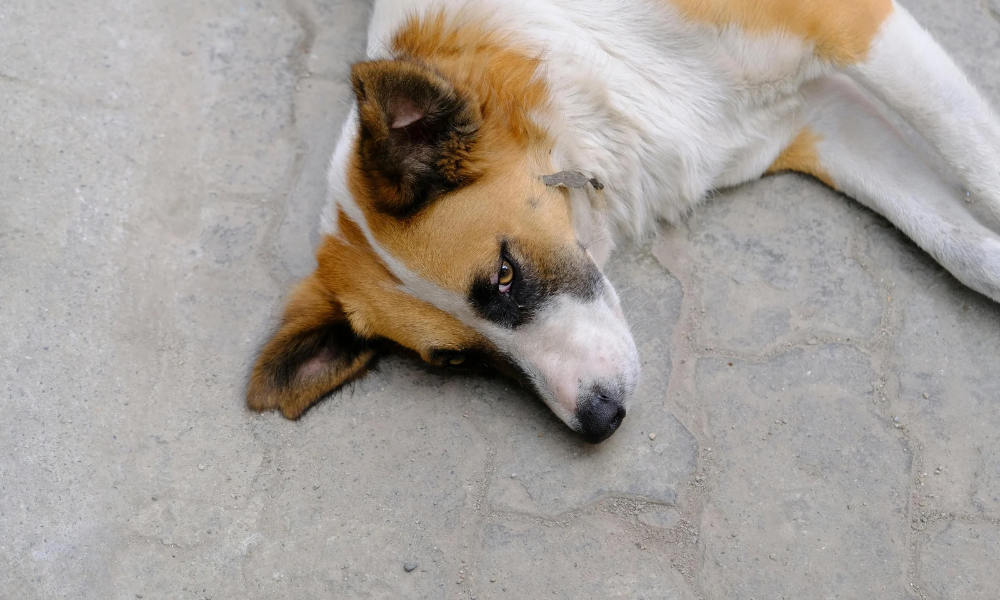
For mild reactions:
- Provide a quiet place to rest
- Ensure access to fresh water
- Avoid intense physical activity for 24–48 hours
If symptoms worsen or new signs appear:
- Contact your veterinarian promptly
- Do not give human medications unless advised
- Note the reaction for future vaccination planning
Early communication helps prevent complications and improves vaccine safety.
Do Pet Vaccines Cause Long-Term Side Effects?

For most dogs and cats, vaccines do not cause long-term health problems.
Rare long-term concerns include:
- Injection-site tumors in cats (very uncommon)
- Repeat allergic reactions in sensitive pets
Remember: the risk of serious illness from skipping vaccination is far higher than the risk of long-term vaccine reactions.
How to Reduce and Prevent Vaccine Side Effects ?

Pet parents can help minimize vaccine reactions by:
- Vaccinating only healthy pets
- Following recommended vaccination schedules (Vaccine Schedules for Dogs and Cats)
- Avoiding unnecessary vaccines
- Spacing vaccines when appropriate
- Informing the clinic about past reactions
- Monitoring pets closely for 48 hours after vaccination
- Preparing properly with Pre-Vaccination Care
A personalized vaccination plan offers the best balance between safety and protection. You can also read the Complete Vaccination Guide for Dogs & Cats and Post-Vaccination Care for more detailed instructions.
Are Pet Vaccines Safe?

Yes. Modern pet vaccines are carefully tested, regulated, and continuously monitored. While mild side effects may occur, serious reactions are rare.Vaccination remains one of the safest and most effective preventive care measures for dogs and cats.
Frequently Asked Questions (FAQ)

How long do pet vaccination side effects last?
Most mild vaccine side effects last 24 to 48 hours. Slight swelling at the injection site may persist for a few days or even weeks but usually resolves on its own.
Is it normal for pets to be sleepy after vaccination?
Yes. Mild sleepiness or reduced activity after vaccination is common and usually indicates the immune system is responding appropriately.
Can pet vaccines cause fever?
A mild fever can occur after vaccination and is generally harmless. However, a high or persistent fever should be checked by a veterinarian
When should I worry about vaccine reactions in my pet?
Seek immediate veterinary care if your pet shows difficulty breathing, collapse, repeated vomiting, severe facial swelling, seizures, or extreme weakness.
Can dogs and cats have allergic reactions to vaccines?
Yes, but serious allergic reactions are rare. Mild allergic signs may include hives or facial swelling, while severe reactions require urgent medical attention.
Do pet vaccines cause long-term health problems?
For most pets, vaccines do not cause long-term issues. Rare complications may occur, but the risk of serious disease from skipping vaccination is much higher.
Can I prevent vaccine side effects in my pet?
Reduce the risk by vaccinating only healthy pets, following recommended schedules, spacing vaccines when advised, and informing your clinic about previous reactions.
Should I give medication if my pet reacts to a vaccine?
Do not give any medication unless advised by a veterinarian. Some human medications can be dangerous for pets.
Is it safe to skip vaccines if my pet had a mild reaction before?
Mild reactions usually do not mean vaccines should be stopped. Instead, vaccination plans can be adjusted to improve safety.
Key Takeaway for Pet Parents

Most pet vaccination side effects are mild, temporary, and manageable. Understanding what is normal—and what is not—helps pet parents feel confident and prepared.
If something doesn’t feel right after your pet’s vaccination, seek professional advice without delay.
Vaccination is the best method to prevent and reduce the risk of serious health issues. Do not skip vaccines due to minor side effects—the risk of serious illness is far higher.
Interested in pet vaccination? Check out our other helpful guides below.
- Complete Pet Vaccination Guide
- Vaccination Schedules for Dogs and Cats
- Pre Vaccination Care
- Post Vaccination Care
For more trusted pet health guides and vaccination resources, visit VetScopia