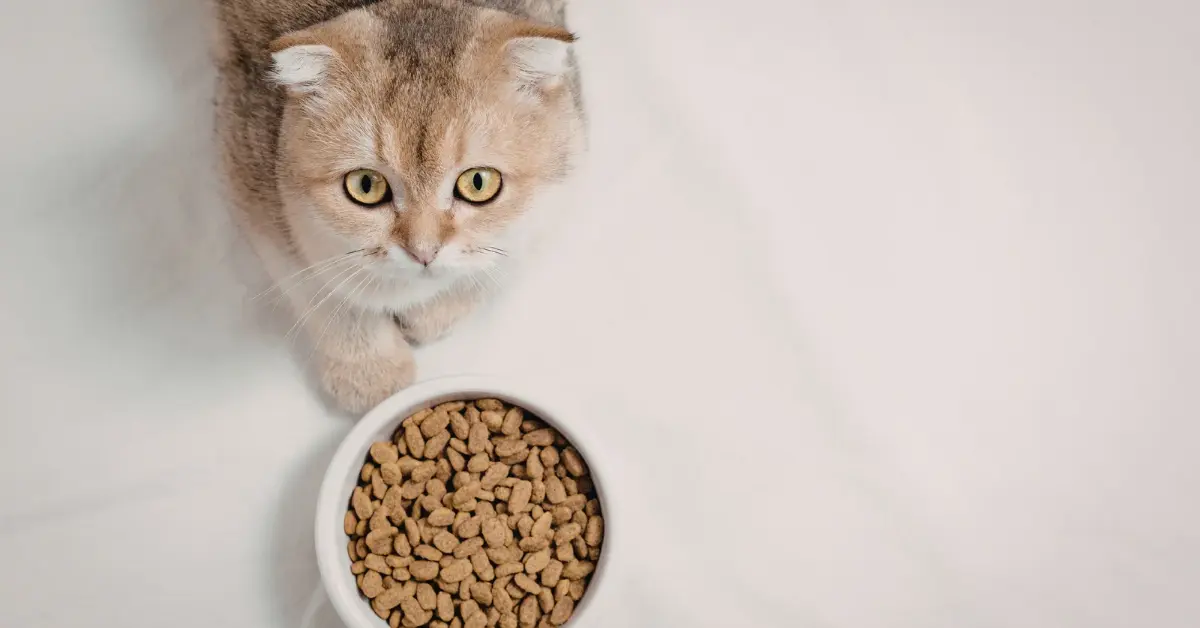
You know your cat. You know the sound they make when they’re hungry, the way they circle the kitchen before meals, the look they give you at 6am when breakfast is late.
So when your cat is not eating — when they walk up to the bowl, sniff it, and just walk away — something in you shifts.
That feeling is worth listening to.
Here’s Why This Worries Us Too

A dog skipping a meal? Usually fine. A cat not eating is a different story entirely, and it comes down to how their body works.
When a cat stops eating, their liver kicks in and starts breaking down stored fat for energy. Sounds okay — except a cat’s liver wasn’t built to handle large amounts of fat at once. It gets overwhelmed quickly.
That fat starts building up inside the liver itself, leading to a condition called hepatic lipidosis — fatty liver disease — and it can turn life-threatening faster than most people expect.
The Cornell Feline Health Center explains that cats who go without eating for even a few days are at serious risk of developing this condition — and overweight cats face the highest danger.
We’ve seen it happen within just a few days. And the scary part? The cat often seems “okay” on the outside until they really aren’t.
So no, we don’t say this to frighten you. We say it because a cat not eating deserves your attention today — not next week.
What’s Actually Going On?
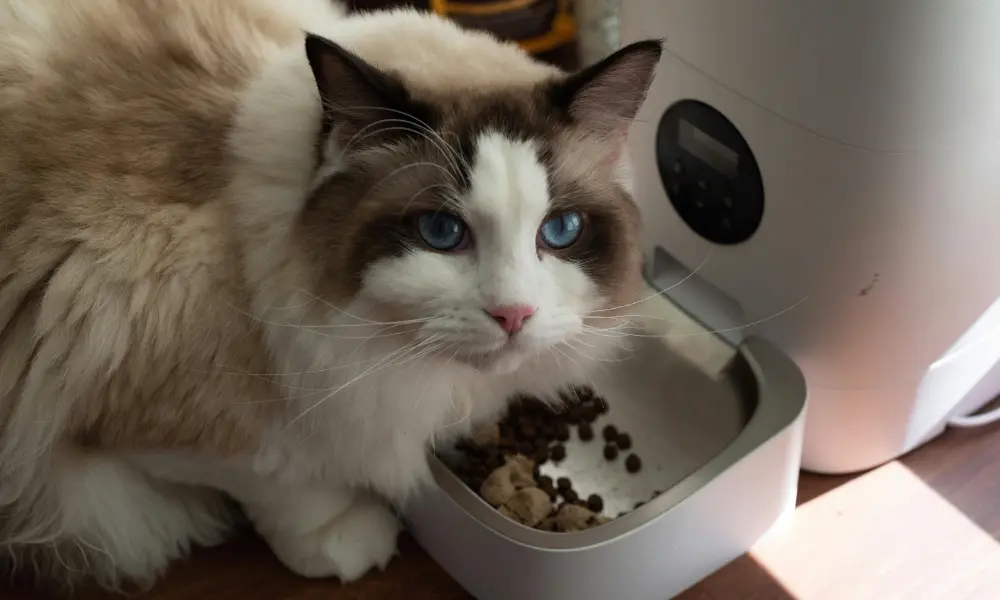
There’s almost always a reason. Sometimes it’s simple. Sometimes it isn’t. Here’s what we look at first:
When it’s a health issue:
- Dental pain is one of the sneakiest culprits — a cat with a sore tooth will just quietly stop eating rather than show you they’re hurting
- Kidney disease — very common in older cats — causes nausea that makes cats start associating their food with feeling sick. They’re not being picky. They genuinely feel awful
- A blocked or stuffy nose from a respiratory infection means they literally can’t smell their food — and smell is everything to a cat’s appetite
- Digestive issues, diabetes, pancreatitis, hyperthyroidism — all of these tend to quietly announce themselves through appetite changes first
When it’s stress:
- A new pet in the house, a recent move, even rearranged furniture
- Eating too close to a cat they don’t get along with
- A change in your schedule that threw off their routine
When it’s actually the food:
- Serving it cold straight from the fridge — cold food barely has any smell to a cat
- A sudden switch in brand, texture, or flavour
- Food that’s been sitting out too long
According to International Cat Care, appetite changes are a secondary symptom of almost every type of disease in cats — which is exactly why a cat not eating should never be dismissed as just fussiness.
The One Rule That Could Save Your Cat
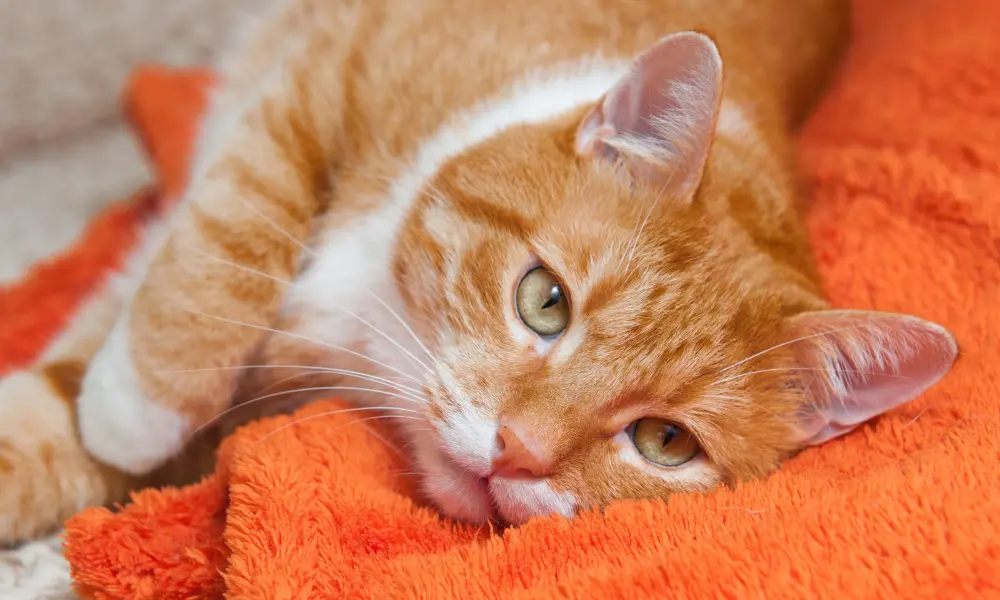
If your cat is not eating for more than 24 hours — please call your vet. Don’t wait it out. Don’t assume they’ll eat when they’re hungry enough. Cats genuinely don’t work that way.
And if your cat isn’t eating AND you’re also seeing any of these, go sooner:
- Vomiting or diarrhea
- Yellowing in the gums or eyes
- Unusual hiding or total withdrawal
- Real weakness or trouble standing
- Rapid weight loss you can feel when you pick them up
Small Things You Can Try Right Now
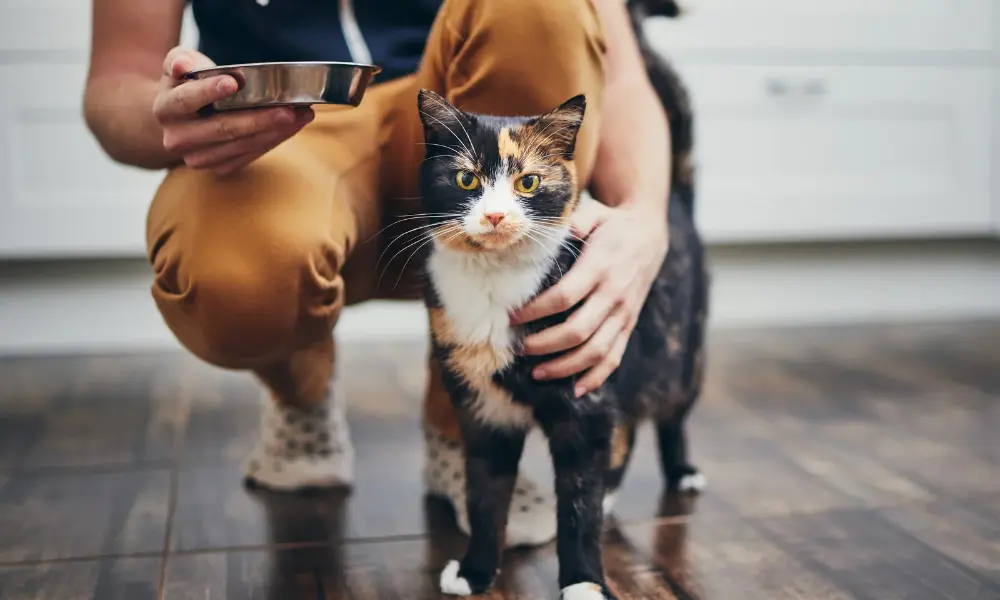
These won’t fix what’s wrong, but they can help while you’re getting to the vet:
- Warm their food for 10 seconds — heat releases the smell, and that smell is what pulls a cat toward eating
- Try a different texture — soft wet food if they normally eat dry
- Sit with them and hand-offer a small piece somewhere quiet
- Move the bowl away from the litter box and away from other pets
- A little plain tuna water poured over their food sometimes does wonders
Write down when they last ate, what you’ve noticed, and grab a short video if you can. Vets love this — cats perform perfectly fine at the clinic, so that footage from home tells us so much more.
A Note on Older Cats
If your senior cat is going off food, please don’t chalk it up to age. Kidney disease, dental pain, and thyroid problems almost always show up through appetite changes first — often before anything else looks wrong.
The Merck Veterinary Manual notes that appetite loss is one of the earliest and most consistent indicators of underlying illness in cats — and a routine blood test picks these up early, meaning so many more options for treatment.
You Already Did the Right Thing
The fact that you noticed your cat is not eating — that you’re looking for answers — that matters more than you know.
Most of the damage from fasting happens quietly, in the background, before the obvious signs show up. You’re ahead of that. Now just take the next step and get them checked.
They can’t tell you how they feel. But you already knew something was off. Trust that.
Read More :
How to Tell If Your Pet Is in Pain: The Complete Vet Guide for Dogs and Cats
Dog Allergies & Itching: The Complete 2026 Treatment Guide (Including the New Befrena Injection)
What to Do in a Pet Emergency: A Vet’s Step-by-Step Guide
Why Does My Dog Eat Grass? — Causes, Risks & How to Prevent It
Separation Anxiety in Dogs: Causes, Signs & What Actually Works